
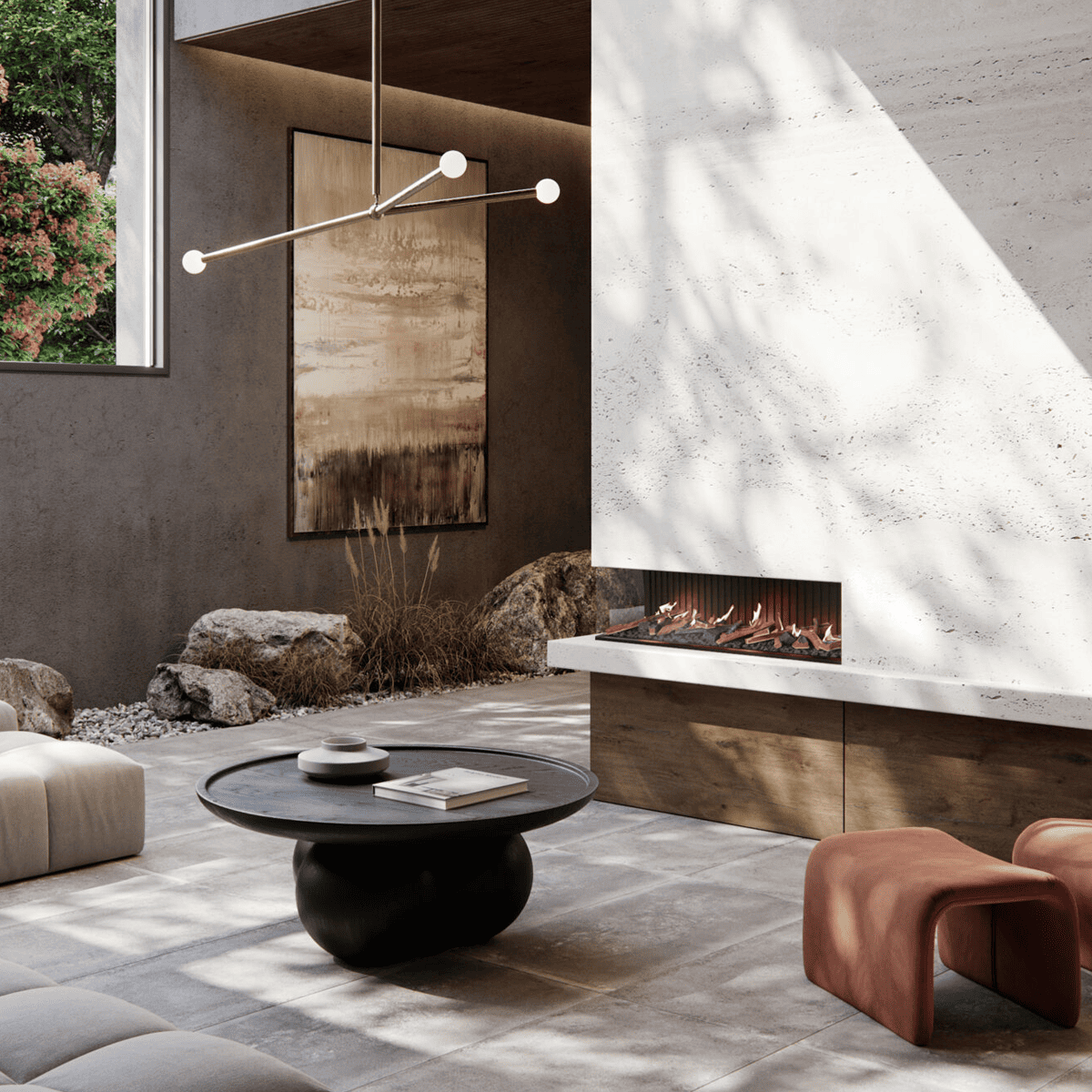
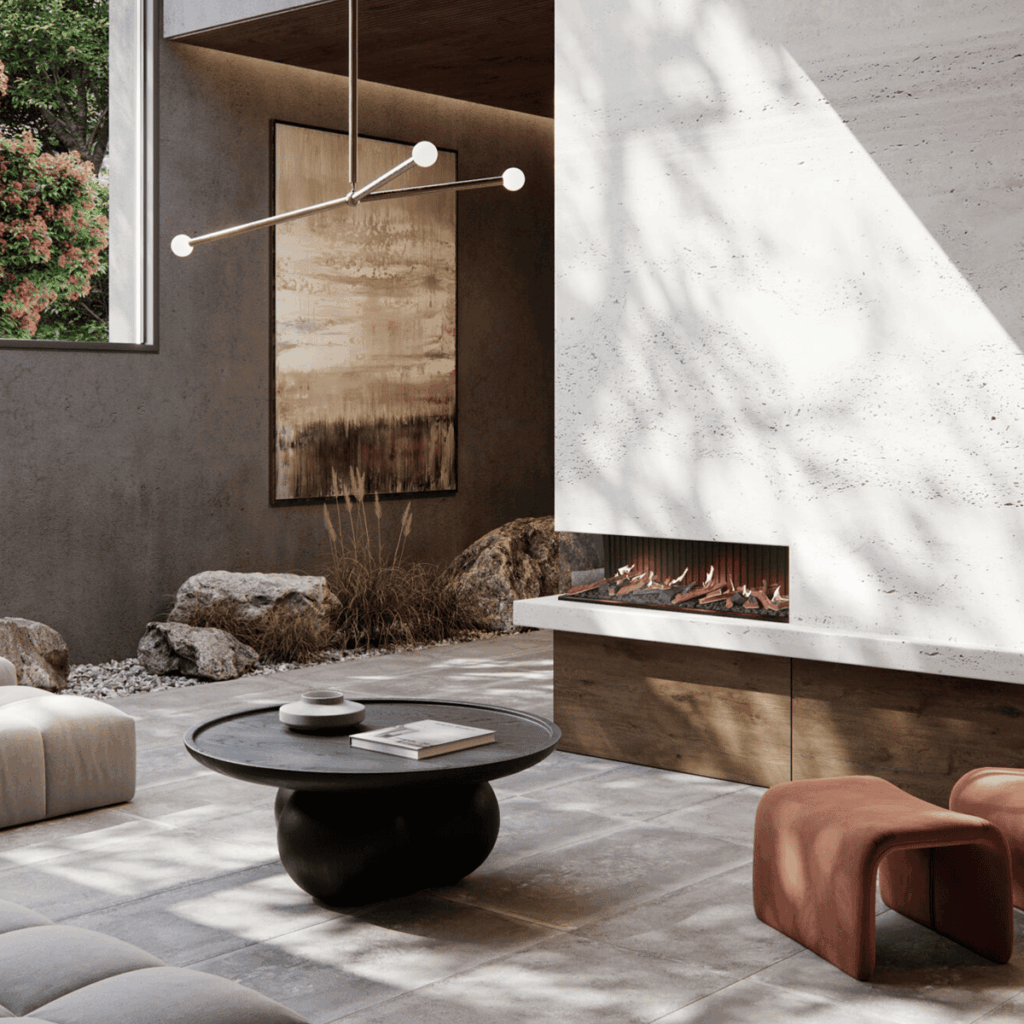
Gas fireplaces are popular because they deliver instant comfort with the push of a button. Central systems keep the rest of the house stable so the living areas never feel like a wind tunnel. Put the two together and you get fast warmth where you sit and steady background temperature everywhere else. That balance only holds when both sides are looked after.
If the fireplace is clean but the ducts leak, you waste heat and chase cold spots. If ducted heating is perfect but the fireplace is sooty, you end up cleaning glass and burning more gas than you should.
Two Systems, One Comfort Outcome
It helps to think of comfort as a team result. Your gas fireplace is the sprinter that adds quick heat to the living room, and your central unit is the marathon runner that sets the base pace across the home. When either one falls behind, you feel it in familiar ways like uneven temperatures, foggy fireplace glass, or higher bills. Treating the fireplace and ducted heating as one combined system gives you cleaner combustion, better air quality, and lower running costs.
How Gas Fireplaces Depend on Healthy Home Airflow
A fireplace needs the right fuel mix and a stable room environment. That stability comes from clear air paths around the home and the background airflow that your central unit creates. When ducted heating is healthy, return air is not starved, supply registers breathe properly, and door transfer paths let air find its way back.
The flame stays blue with soft yellow tips, ignition is crisp, and the glass stays clearer for longer. If airflow is poor or room pressure swings with every exhaust fan, you will see lazy flames, soot at the corners, and start-stop behaviour that wastes gas.
Why Ducted Heating Benefits from a Clean, Reliable Fireplace
The feedback runs both ways. A dirty burner or clogged media inside a fireplace sheds fine residue that settles on nearby surfaces. That dust adds to return filter load and slowly raises the housekeeping burden for the main system. Worse, if the fireplace tricks the thermostat by radiating directly onto it, the central unit can short cycle, which leaves bedrooms cold and pushes bills up. Keeping the fireplace in good order supports accurate control for the entire home and reduces dust load on ducted heating.
The Maintenance Jobs That Do the Heavy Lifting
Not all tasks are equal. A handful deliver most of the benefit for both systems. Make these your core habits each winter.
- Replace or clean the ducted heating return filter at the start of the season, then check monthly.
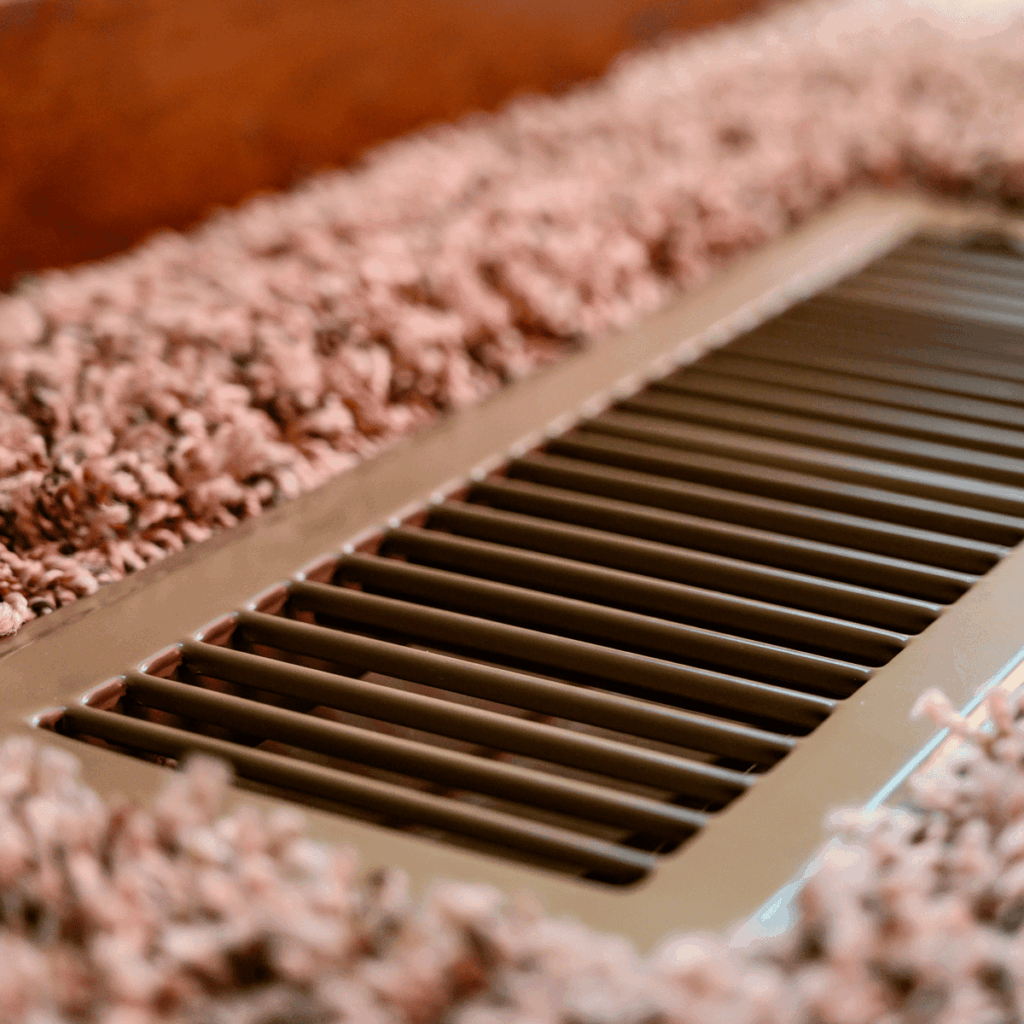
- Keep supply registers and return grilles unblocked by rugs, furniture, or curtains.
- Vacuum around the fireplace, skirting, and intake areas so fluff does not reach burner ports or pilot assemblies.
- Wipe fireplace glass with the cleaner approved by the manufacturer and only when the unit is cool.
- Test remotes and wall controls, then replace batteries before the first cold snap.
- Book a licensed service for both the gas fireplace and ducted heating so pressure, ignition, flue condition, fan performance, and zoning are all checked in one visit.
You will notice ducted heating in that list more than once. That is intentional because stable background airflow is the foundation for clean fireplace combustion.
Airflow, Pressure, and Why They Decide Flame Quality
Air must travel from supply to return without being forced through tiny gaps or blocked paths. If doors are sealed tight, returns are covered, or flexible ducts are kinked in the ceiling, the room pressure swings. Those swings change how the fireplace breathes. Get the basics right and the flame rewards you with consistency.
Simple checks to protect pressure balance:
- Confirm each active zone has a reasonable return path back to the unit.
- Leave door undercuts or transfer grilles open so air can move freely.
- Keep bathroom and kitchen exhausts from running against a sealed living room.
- Ask your technician to measure external static pressure during service to spot constrictions early.
Combustion Health and the Signs You Should Not Ignore
Both the fireplace and the main burner in a central unit rely on a clean mix of fuel and air. Dirt, dust, and ageing parts push that mix off target. You do not need tools to catch early warning signs.
- Flame tips turn yellow and waver with small changes in room airflow.
- The fireplace glass fogs quickly after start-up or collects soot lines at the edges.
- You hear popping or hard ignition after the unit has been idle.
- There is a faint burnt smell that does not clear after a short run.
- The central unit short cycles or rooms warm unevenly despite long runtime.
If you see one or more of these, move maintenance up the list and get both sides inspected in the same appointment.
Ducted Heating and Fireplace Controls That Work Together
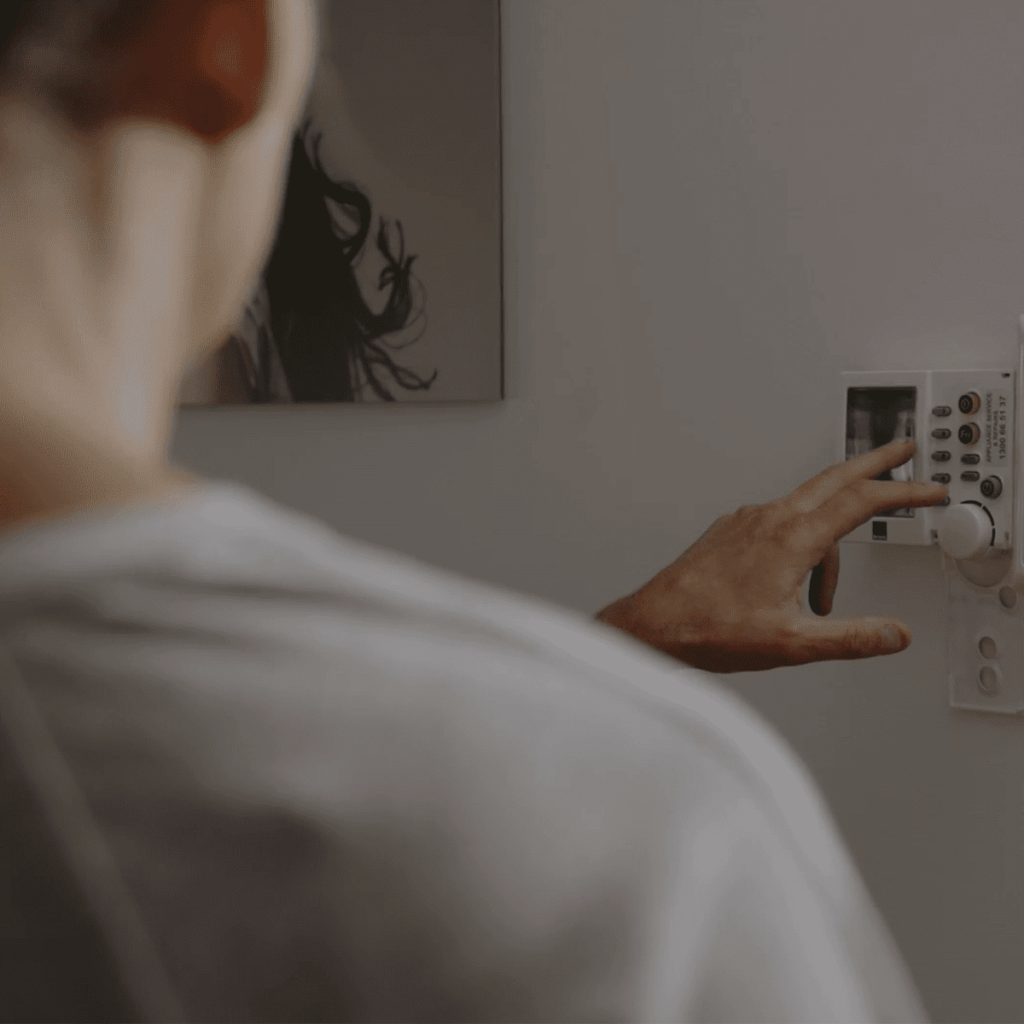
Controls should make comfort easier, not harder. That starts with good thermostat placement and sensible zoning. Keep the main thermostat away from direct radiant heat from the fireplace, avoid mounting it in sun patches or behind entertainment units, and review zone balance so bedrooms and halls receive enough supply to stay steady. Where possible, use schedules that let ducted heating carry the background load while the fireplace provides quick comfort in the living zone during occupied hours. This approach reduces total runtime and keeps glass cleaner because the fireplace can run lower and steadier.
Cleaning And Filtration That Protect Both Systems
Dust harms ignition reliability, adds to smell complaints, and leaves visible residue on glass and surrounds. A disciplined approach to filtration and simple cleaning goes further than most people expect.
- Use a quality return filter with the size and grade specified for your system so the fan is not starved.
- Replace filters on schedule and write the date on the frame so no one loses track.
- Vacuum register faces and return grilles rather than brushing dust into the room.
- Keep floors around the fireplace tidy so lint does not get drawn into the intake path.
- Consider upgrading to better return filtration if your house has pets, frequent visitors, or nearby renovation work.
Good filtration keeps the indoor air cleaner and protects burner ports, pilot assemblies, and sensors from residue.
The Practical Bottom Line
Comfort is easiest when both the quick heat of a gas fireplace and the steady base load of your central system are working together. Clean combustion needs stable airflow and honest controls. Even temperatures need sealed ducts, a healthy fan, and a thermostat that is not fooled by radiant heat.