When business owners speak with electrical contractors in Perth about preventative work, they are often thinking about one simple outcome, fewer surprises. That is a good starting point, but preventative commercial electrical jobs are not just about “checking things” and moving on.
They are planned tasks designed to reduce faults, protect equipment, support safer operation, and make future repairs faster and less disruptive.
Why Preventative Work Is More Than a Quick Inspection
Preventative electrical work is often misunderstood as a visual look-over with a checklist. A proper commercial approach is much broader than that. It combines inspection, testing, servicing, small corrections, and risk reduction tasks that help stop avoidable failures from developing into outages.
Commercial systems also operate under real-world pressure. Heat, dust, vibration, moisture, heavy usage, and changing loads all affect electrical infrastructure over time. Even a well-installed system can drift into trouble if it is not maintained.
That is why preventative jobs are not only about finding existing defects. They are also about identifying trends before those defects interrupt operations.
What Preventative Commercial Electrical Jobs Usually Include
Preventative work varies by site type, but most commercial programs follow a practical pattern. The goal is to identify wear, looseness, damage, or performance issues early enough that fixes can be scheduled instead of forced through as emergency work.
A typical preventative visit may include tasks such as:
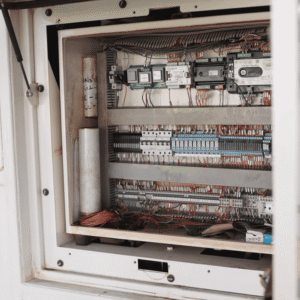
- Visual inspection of switchboards, distribution areas, and accessible wiring
- Checking for signs of overheating, corrosion, moisture ingress, or physical damage
- Verifying labelling and circuit identification
- Testing or verifying protective devices where applicable
- Checking terminations and connections in key areas
- Inspecting lighting circuits, emergency lighting systems, and controls (where included in scope)
- Reviewing condition of outlets, switches, isolators, and fittings in high-use zones
- Identifying damaged conduit, cable support issues, or exposed sections
- Inspecting outdoor and weather-exposed electrical points
- Recording defects, risk items, and recommended rectification priorities
The exact scope should match the site. A warehouse, café, office, retail tenancy, workshop, and strata common area do not need the same maintenance focus. Good preventative work reflects how the site is actually used.
What Preventative Work Is Trying to Prevent
The word “preventative” can sound vague until you tie it to real operational problems. The main aim is to reduce issues that cause downtime, unsafe conditions, repeat callouts, and equipment stress.
In commercial settings, the biggest gains usually come from catching small problems early. A loose connection, damaged fitting, poor seal, or missing label may seem minor, but those are the kinds of issues that often grow into expensive faults.
Preventative work commonly helps reduce:
- Unplanned outages during trading or operating hours
- Nuisance tripping that keeps returning
- Heat-related failures in boards or connections
- Water-related faults in exposed areas
- Premature wear on electrical accessories in high-use spaces
- Slower fault finding due to poor labelling or undocumented changes
- Escalation of minor defects into urgent repairs
Preventative work does not guarantee zero breakdowns. It does, however, improve the odds that your site runs more reliably and that unavoidable faults are easier to isolate and fix.
How Preventative Work Differs from Reactive Repairs
Reactive repairs happen after something fails. Preventative work happens while systems are still operating, often before there is an obvious fault. Both matter, but they solve different problems.
If a circuit trips and will not reset, you need reactive repairs. If that same circuit has been running hot for months, with signs that could have been detected earlier, that is where preventative work had a chance to reduce the disruption.
The difference matters because reactive work is usually more expensive overall. It often includes urgency, after-hours response, temporary shutdowns, and rushed decision-making. Preventative work is scheduled, which gives businesses better control over access, budget, and timing.
What Businesses Should Expect from a Proper Preventative Visit
A strong preventative service is not just “we checked it and it looked fine”. Businesses should expect usable information, not vague reassurance. If the visit produces no real notes, no defect list, and no practical next steps, it may not be doing much for long-term reliability.
A proper preventative visit should leave the business with a clearer view of site condition and priorities. That includes what is urgent, what can be scheduled, and what should be monitored.
Useful outputs often include:
- A summary of areas inspected
- Defects found, with risk level or priority
- Items that need urgent rectification
- Recommended maintenance actions for upcoming periods
- Notes on access issues, missing labels, or recurring problem areas
- Photos where helpful for records and planning
- A practical plan for follow-up works
This is one reason many businesses build ongoing relationships with electrical contractors in Perth rather than treating every job as a stand-alone callout. Consistent records and site familiarity usually lead to faster decisions and better maintenance planning.
Final Thoughts
Preventative commercial electrical jobs are not just routine checks done for the sake of it. They are practical maintenance tasks that help businesses reduce downtime, spot problems earlier, and make better decisions about repairs and upgrades.
When done properly, preventative work gives you more than a checklist. It gives you a clearer view of site condition, a better handle on maintenance priorities, and fewer emergency surprises.