
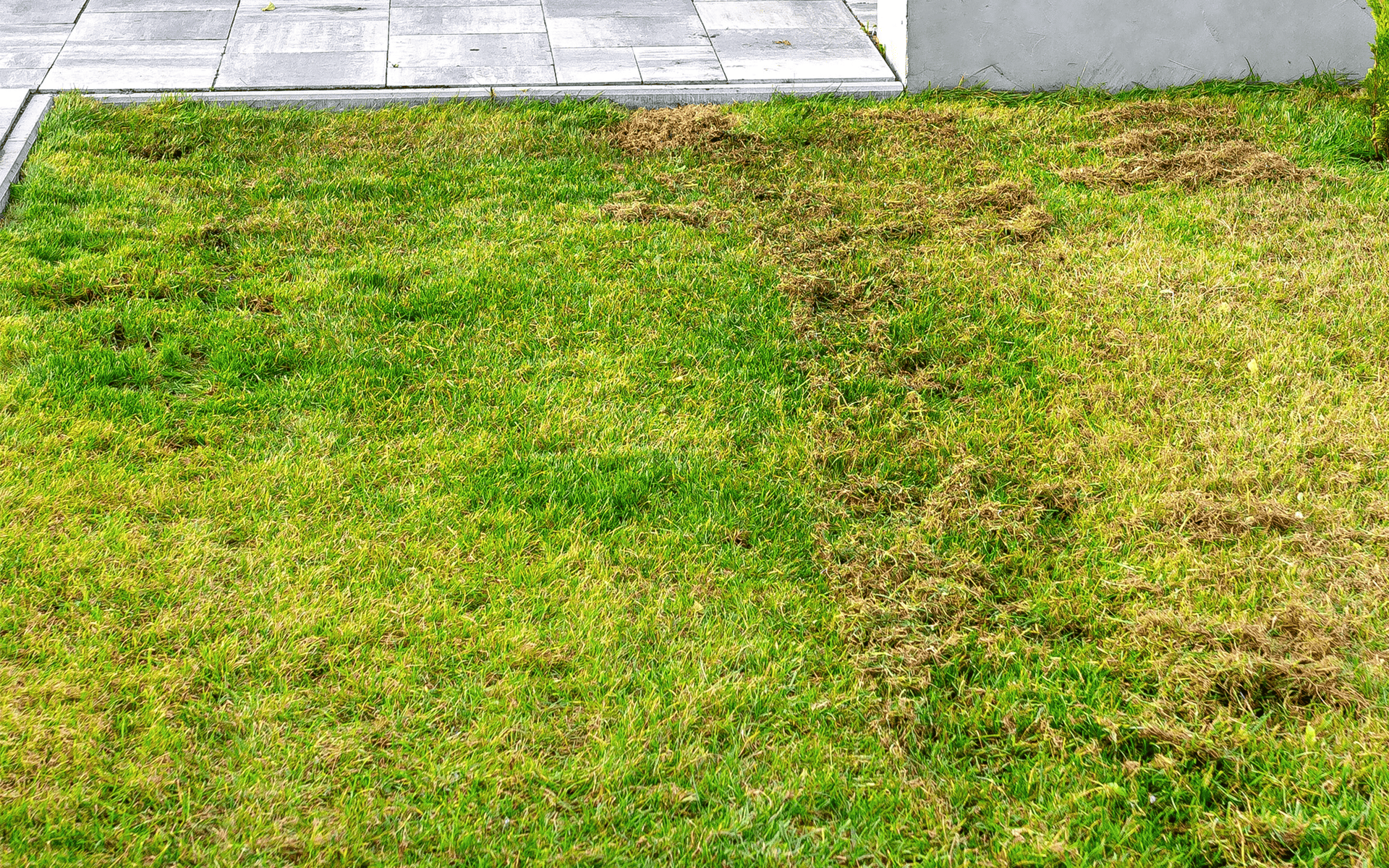
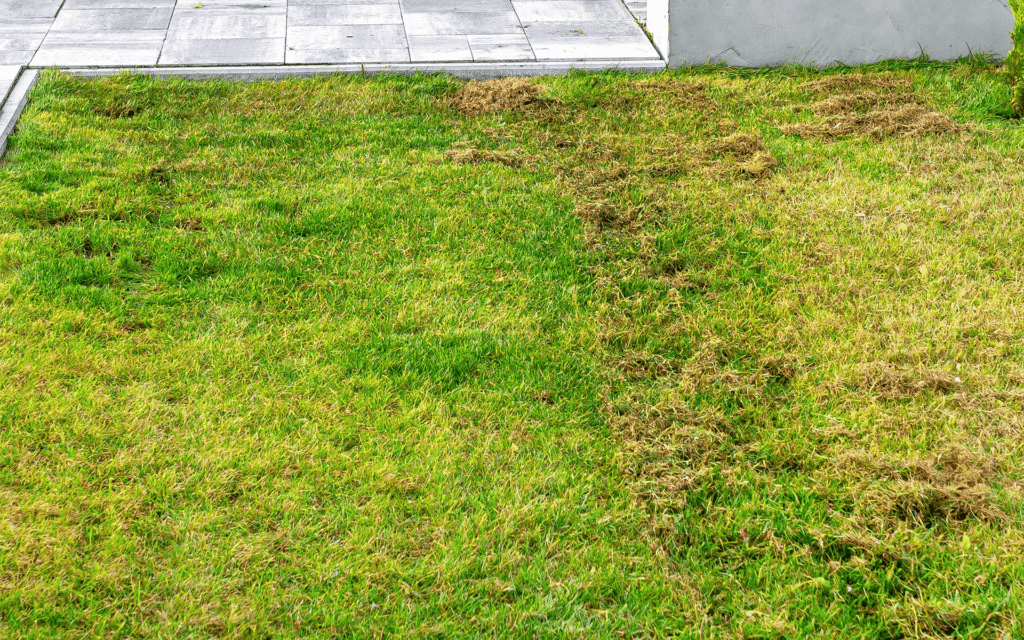
Standard winter lawn care often involves throwing granular products onto freezing soil and hoping for a miracle. This approach just throws money directly down the drain. The soil’s simply too cold and root activity shuts down completely. Liquid nutrition bypasses the root system completely.
Why Granular Fails in Cold Soil
Granular fertilisers fail in winter because cold soil temperatures stop root uptake, leaving the pellets sitting uselessly on the surface.
- Solid prills remain unbroken because active bacterial breakdown completely stops.
- Heavy winter rains eventually wash the undissolved nutrients into local stormwater drains.
- The turf starves despite the heavy application of premium-priced solid products.
- Sudden spring warming causes a massive backlog of unabsorbed nitrogen to release instantly.
Soil microbes go completely dormant when the frost hits hard. These bacteria handle the complete breakdown of solid fertilisers into usable plant food. Without active bacteria, granular products just sit in the thatch layer until spring arrives. Trade professionals see the same expensive mistakes repeated every July across southern areas.
The Mechanics of Foliar Absorption
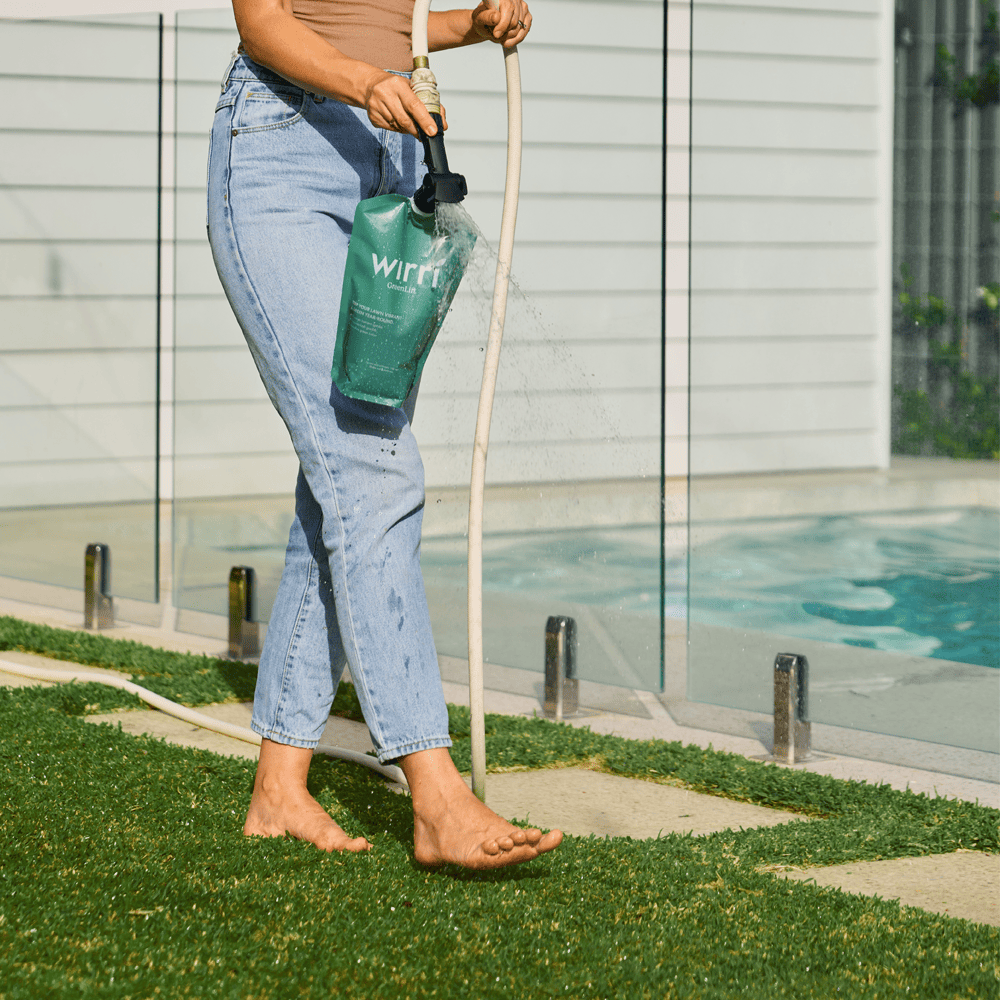
Liquid nutrition bypasses dormant roots by delivering vital elements like liquid nitrogen directly through the leaf tissue via foliar absorption.
- Nutrient uptake begins within minutes of the applied liquid drying on the leaf surface.
- Liquid nitrogen gets absorbed straight into active plant tissue without needing soil processing.
- Operators control the exact dosage without worrying about soil lock-up or chemical leaching.
- The visual results become obvious within hours rather than waiting several weeks.
The liquid coats the leaf blade and enters directly through the stomata. Stomata act as tiny pores on the leaf surface that remain slightly active even in freezing weather. This direct delivery system provides an immediate and highly efficient nutritional response.
The common line in the trade dictates that liquids offer surgical feeding precision.
Using Turf Pigment for Temperature Control
Applying a specialised turf pigment provides an artificial coating that absorbs near-infrared light to generate microscopic warmth across the lawn.
- The artificial coating darkens the turf canopy to absorb significantly more winter sunlight.
- Microscopic warmth generated by the pigment helps sustain basic cellular functions during frost.
- The specialised layer effectively filters harmful ultraviolet radiation during bright winter days.
- Treated lawns maintain a deep green appearance without relying on excessive chemical pushing.
Winter sunlight often lacks the intensity needed to keep the plant properly active. Adding a pigment changes how the leaf interacts with available light. It isn’t just about making the grass look pretty for the demanding neighbours. The thermal benefit provides a genuine biological advantage when morning frosts hit hard.
Standard winter foliar mixes usually combine liquid nitrogen with this advanced pigment technology. Commercial operators often apply this specific mix every four weeks from June through August. This strict schedule keeps the turf functioning and looking sharp while it sleeps. The pigment acts like a thermal blanket for individual grass blades.
Equipment Calibration and Droplet Size
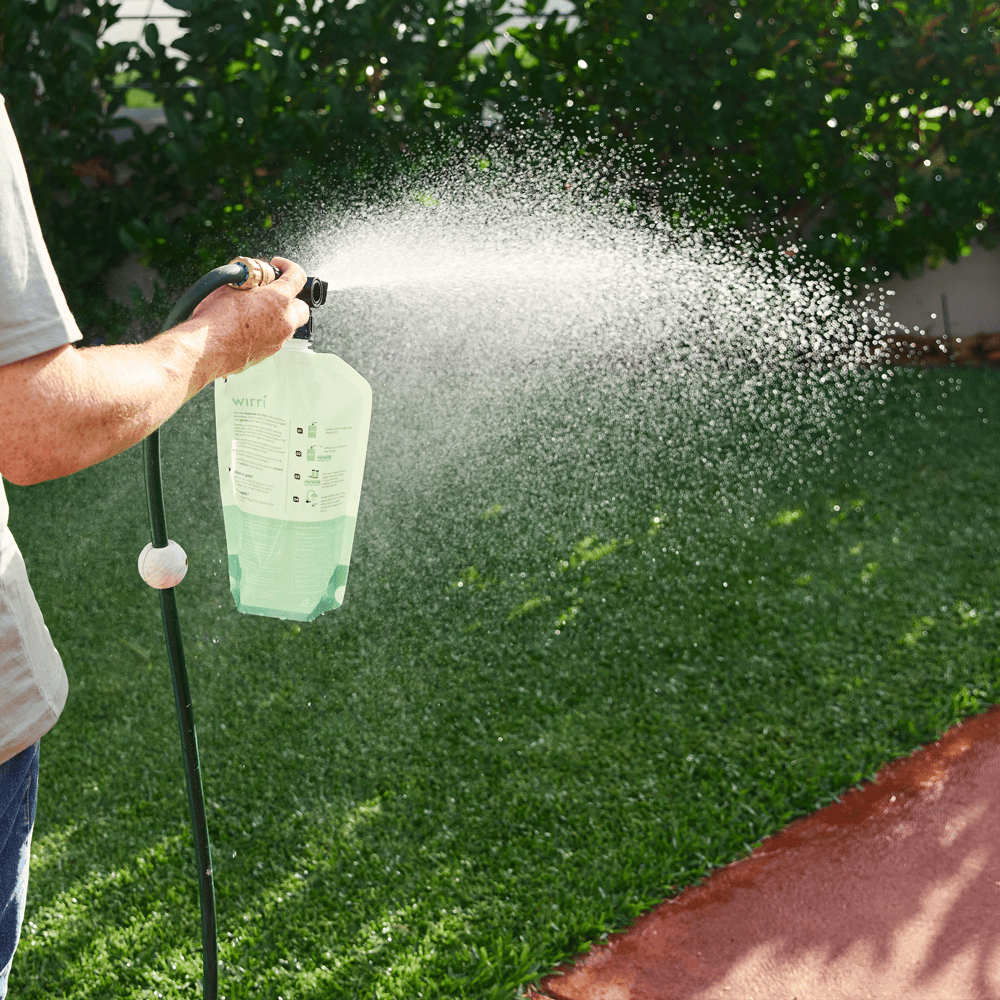
Applying liquid nutrition with correctly calibrated nozzles ensures the fine mist coats the entire leaf surface without causing wasteful run-off.
- Large water droplets simply roll off the leaf blade and soak into the dormant soil.
- A flat fan nozzle running at exactly thirty to forty PSI delivers the ideal droplet size.
- This specific operating pressure creates a fine mist that sticks perfectly to the foliage.
- Backpack sprayers or heavy battery rigs offer the exact constant pressure needed for application.
Many property managers try applying liquids with a standard garden watering can. This crude method dumps massive amounts of water in one concentrated spot. Most of the product ends up in the dirt where the roots can’t use it. Proper foliar feeding requires specialized equipment to achieve the correct atomisation.
Choosing Proper Application Timing
Applying liquid nutrition during the warmest part of a winter day ensures maximum leaf absorption before evening frost sets in.
- Stomata open wider when the midday sun directly hits the turf canopy.
- Spraying at noon gives the plant several hours to draw in the essential nutrients.
- Spraying too late in the afternoon means the liquid sits wet on the leaf overnight.
- Wet leaves at night invite heavy fungal diseases under cold weather conditions.
Winter grass requires bone-dry conditions heading into the darkness. Experienced field crews always finish their spraying runs by two o’clock in the afternoon during July. This strict schedule gives the turf ample time to dry out completely. Applying liquids right after a heavy morning frost remains a massive operational error.
Frequently Asked Questions
Can Liquid Nutrition Burn Dormant Turf?
Applying excessively high concentrations of liquid nitrogen can definitely scorch dormant leaf tissue. Foliar feeding requires careful adherence to label rates because the nutrients enter the plant immediately without soil buffering.
How Often Should Liquids Be Applied in Winter?
Most trade operators recommend a strict application interval of four to six weeks during the coldest months. This manageable schedule provides a consistent drip-feed of nutrition without overloading the plant’s slow winter metabolism.
Does Liquid Fertiliser Need Watering In?
Foliar-absorbed liquids should never be watered in after a spray application. The entire goal involves leaving the chemical product drying on the leaf surface where the plant can absorb it directly.
Final Thoughts
Relying on old granular methods during the coldest months leaves lawns starved and highly vulnerable to frost damage. Liquid foliar feeding represents a highly efficient alternative for the trade. It completely bypasses cold, unresponsive soils to feed the plant directly through the leaf. Delivering precise doses of liquid nitrogen and protective pigments directly into the leaf tissue keeps the plant exceptionally strong.