
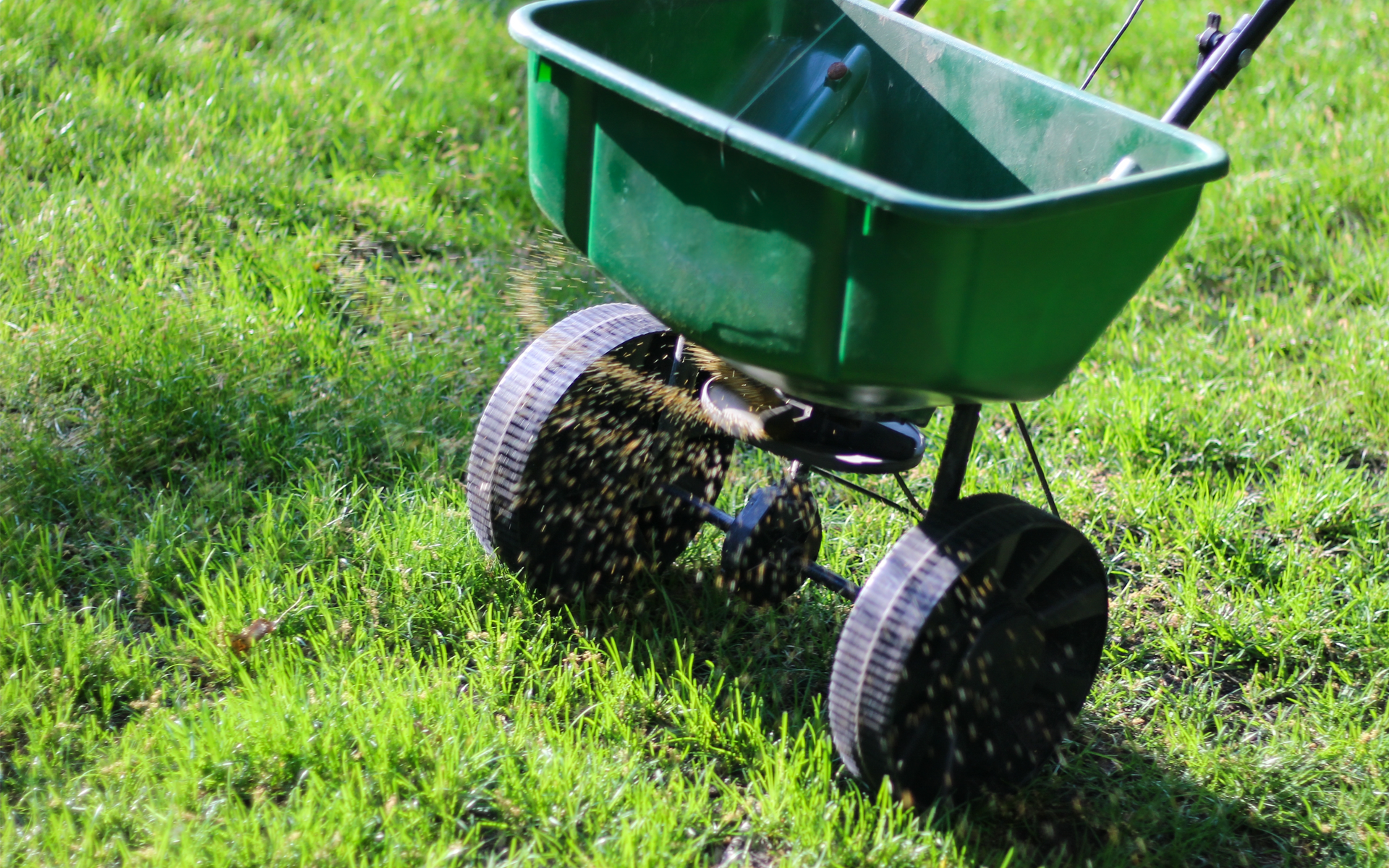
Lawn seeding works best when you treat timing as the main lever. Seed quality matters, soil prep matters, and watering habits matter, but the calendar still wins. When the window is right, germination is faster, seedlings handle stress better, and weeds have fewer openings. When the window is wrong, even perfect prep can turn into patchy results that need a second attempt.
Australia’s conditions are varied, so “the best time” is never a single month that suits everyone. The practical approach to Australian lawn care is to work with seasonal windows and local cues, then pick the moment that gives your seedlings the smoothest run.
Autumn Seeding Windows: The Reliable Option for Many Renovations
Autumn is often the most forgiving season for seeding because heat is easing off but the soil still holds warmth. That combination supports germination and early root growth while reducing heat stress.
Autumn seeding tends to suit:
- Cool-season lawn establishment where summer would be too punishing
- Thickening and patch repair after summer wear
- Areas where weed pressure spikes in warmer months
- Lawns that need time to build strength before the next hot season
Autumn timing still needs discipline. If you seed too late, growth can stall as conditions cool. That can leave you with a thin lawn heading into winter, which invites weeds and moss in damp spots.
Practical autumn focus points:
- Prioritise soil prep and levelling so water sits evenly, not in puddles
- Keep the surface consistently moist during germination
- Protect the area from traffic longer than you think, because growth slows as temperatures drop
Spring Seeding Windows: Strong Potential with a Heat Trap

Spring can be excellent for seeding because growth conditions improve quickly, and lawns can bulk up fast. The risk is that spring seeding often runs into summer heat before the lawn is mature.
Spring seeding tends to work best when you can commit to aftercare as the weather warms. If you drop watering once the lawn looks green, you can end up with shallow roots and weak turf that struggles later.
Spring timing suits:
- Filling thin areas after winter, especially where traffic has been heavy
- Cool-season lawns in milder regions, provided summer stress is manageable
- Warm-season lawns when warmth is arriving steadily, not in sudden spikes
To reduce the spring heat trap, avoid seeding right before a run of hotter weeks. Seedlings do not handle rapid change well. The most reliable spring results come from seeding early enough that roots can deepen before summer ramps up.
Summer Seeding: High Risk, Not Always Impossible
Summer seeding is the hardest path in most areas because the surface dries quickly and young seedlings can cook in a single rough week. That said, some regions and some situations can still make it work, especially when you have irrigation and you can manage shade and traffic.
Summer seeding is most likely to succeed when:
- You can water lightly and frequently without missing days
- You can keep the surface from drying between watering cycles
- Nights are warm enough to support growth, not just hot days
- You can block off the area completely from pets and foot traffic
If you attempt summer seeding, reduce variables. Do smaller sections rather than a whole yard, and build wind protection and watering consistency into the plan. For Australian lawn care in summer, risk management matters more than optimism.
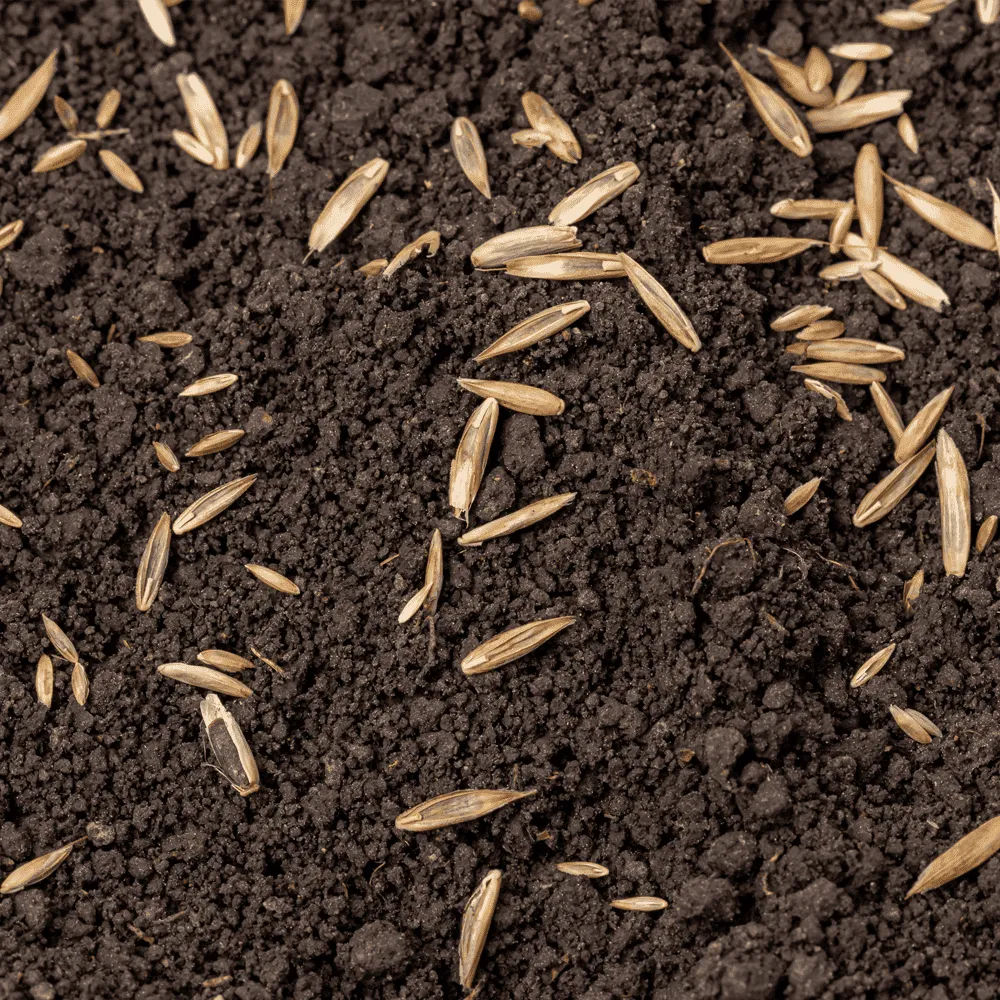
Winter Seeding: The Slow Lane with Mixed Outcomes
Winter seeding is often slow because growth rates drop and soil stays cool. In some climates, winter can still be workable for certain cool-season lawns, but it is rarely the easiest window.
Winter seeding tends to fail when:
- Frost is common, especially in inland and elevated areas
- Soil stays waterlogged, leading to rot and disease
- Germination is sluggish, leaving bare soil open to weeds
Winter seeding can still make sense in mild coastal areas where frosts are rare and daytime conditions remain gentle. Even then, expectations should match reality. Establishment takes longer, and the lawn needs careful protection from wear.
Key Takeaways
The best lawn seeding windows in Australia are the ones that avoid extremes and give seedlings time to build roots before the next harsh season. Autumn is often the most forgiving for many lawns because heat eases while the soil still holds warmth. Spring can be excellent too, but it comes with a common trap, the lawn may hit summer stress before it is mature.