Getting pre-winter lawn care right stops minor turf issues from becoming major headaches by September. Most operators reckon the real work happens deep in the soil profile well before the first frost hits. A visual look over the fence simply won’t cut it. Thorough inspections require getting down to the root zone to see what’s actually happening.
Identifying Excessive Thatch Layers
Measuring thatch involves pulling a small core sample and checking if the dead organic layer exceeds ten to fifteen millimetres in depth. Thicker layers block moisture from reaching the soil and create perfect breeding grounds for winter fungal pathogens. Removing this excess organic material stands as a strictly non-negotiable step for long-term health.
- A distinct spongy feeling underfoot when walking across the lawn strongly suggests hidden organic buildup.
- Inspecting the lower stems of the grass blades reveals obvious signs of rot or excessive dampness.
- Checking the root zone confirms if roots are growing up into the thatch instead of down.
- Noting specific areas where water sits on the surface highlights poor infiltration during standard irrigation cycles.
Assessing Nutrient Deficiencies and Soil pH
Soil pH testing reveals if the ground falls outside the ideal 6.0 to 7.0 range, which dictates how effectively roots absorb stored nutrients. If the pH locks out, expensive winter fertilisers simply sit on the surface and wash away into storm drains. Correcting the chemical balance ensures the turf actually feeds during the colder months.
- Taking multiple soil samples from different areas provides an accurate, balanced average reading.
- Testing kits provide immediate pH results, showing if the ground needs agricultural lime.
- Sulphur applications help lower the pH in highly alkaline soils often found in newer Australian housing subdivisions.
- Visual signs like pale yellowing across the leaf blades often point directly to nitrogen or iron lock-out.
Detecting Early Winter Weed Pressure
Spotting early weed pressure requires identifying broadleaf weeds and winter grass seedlings before they mature and drop highly viable seed heads. Catching these invaders in their juvenile stage means operators can use much lower chemical application rates. Pre-emergent herbicides rely on precise application timing to form an effective underground soil barrier.
Winter weeds like bindii and creeping oxalis thrive when dormant turf stops competing for space. The common line in the trade is that a thin, weak lawn heavily invites opportunistic weeds. An inspection highlights the bare patches that need immediate oversowing or targeted top-dressing. Fixing the density early blocks weed seeds from germinating later in the season.
Evaluating Fungal Disease Risk Factors
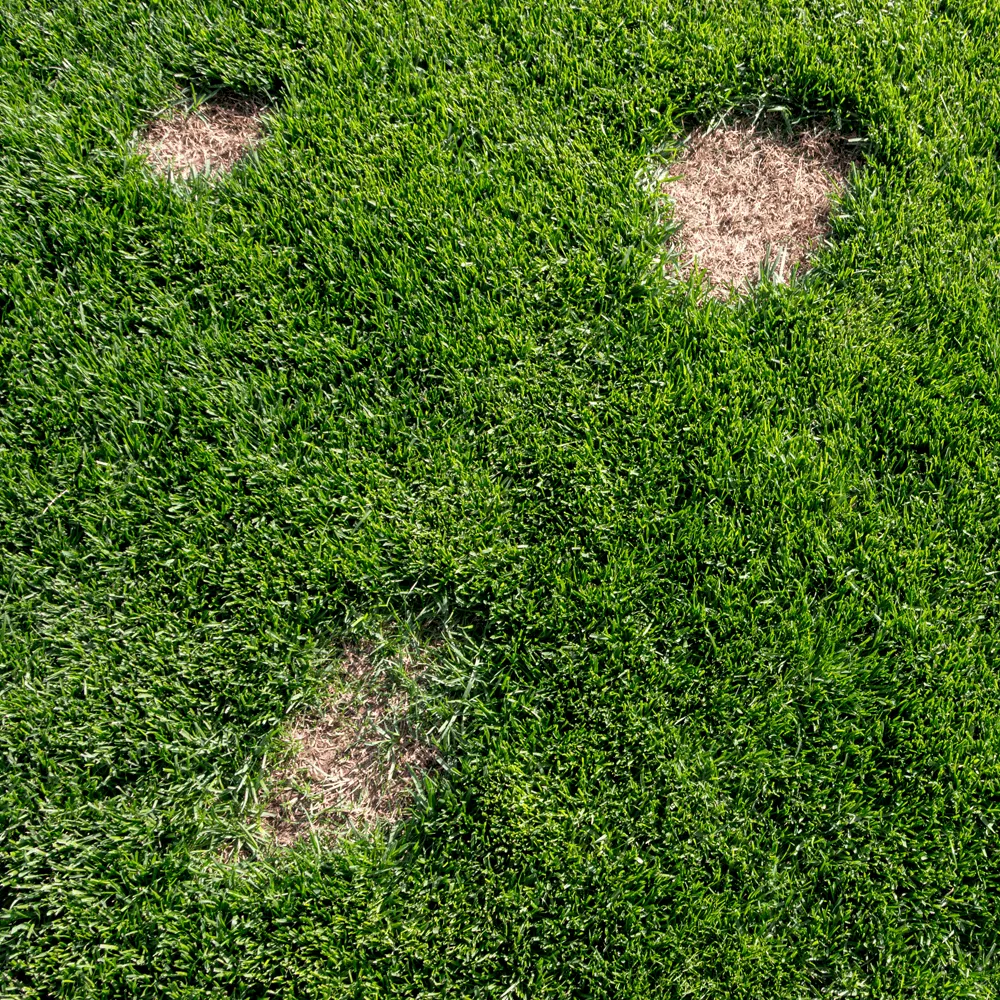
Identifying fungal risks involves looking for discoloured patches, powdery substances on leaves, or early mycelium webs in heavily shaded areas. Damp, cold conditions create perfect environments for destructive diseases like brown patch or winter fusarium to spread rapidly. Airflow management and strict moisture control remain the absolute best preventative measures available.
Shade from overgrown backyard trees keeps morning dew on the grass for hours. Turf experts always check the total sunlight hours hitting the yard during shorter winter days. Trimming back heavy branches allows essential sunlight and wind to reach the ground. Good natural airflow dries the canopy and stops fungal spores from multiplying.
Compacted soil profiles and thick thatch layers multiply the turf disease risks heavily. If the ground constantly holds too much water, the roots simply drown and rot away. Chemical fungicides treat the visible symptoms effectively, but they simply mask the underlying environmental issues. Better soil drainage remains the only reliable long-term fix for persistent winter turf diseases.
Preventative fungicide applications using active ingredients like propiconazole stop outbreaks before they start. Turf managers apply these treatments right as the evening temperatures begin dropping sharply. The chemicals coat the leaf blades and form a protective barrier against airborne spores. Proper timing saves massive amounts of money compared to curative chemical treatments later.
Frequently Asked Questions
When Should a Pre-Winter Lawn Inspection Happen?
Late autumn represents the absolute best time for a thorough structural inspection. This timing provides enough weeks to treat soil compaction and fix chemical imbalances properly. Waiting until winter officially begins means the grass already sits dormant and can’t recover quickly.
Should Dethatching Occur Right Before Winter?
Heavy mechanical dethatching shouldn’t happen if the soil temperatures have already plummeted significantly. The turf needs at least four weeks of active growth to heal the damaged canopy. If the autumn weather window closes, operators usually wait until early spring to tackle the thatch.
Why Does Soil pH Matter for Winter Survival?
The soil pH directly controls how well roots can access stored chemical nutrients in the dirt. An incorrect pH level means the turf starves even if premium winter fertilisers are applied. Balancing the soil chemistry keeps the grass actively fed throughout the colder months.
Key Takeaways
A solid pre-winter inspection sets the performance baseline for the entire upcoming year. Finding the hidden faults in the soil profile early saves a lot of wasted effort and expense. Surface-level treatments rarely fix the deep structural problems hiding in the root zone. Getting the diagnostics right stands as the only way to ensure strong winter survival.