Smart HVAC maintenance means shifting from reactive repairs to programmed, preventative equipment care. A smart maintenance schedule is a structured servicing plan that addresses specific mechanical wear points before they cause a complete system failure. An experienced HVAC contractor in Perth knows this approach keeps facilities running smoothly. Waiting for a breakdown costs far more than scheduled upkeep.
The Economics of Programmed Servicing
Programmed servicing stops minor mechanical degradation from turning into expensive emergency call-outs. Facilities managers save money when technicians identify failing parts during standard business hours. Relying on a run-to-fail model drains operational budgets quickly. Emergency repairs incur heavy premium rates and cause severe business disruption.
- Regular inspections catch frayed drive belts before they snap and damage surrounding pulleys.
- Replacing pitted contactors early prevents total compressor motor burnouts.
- Scheduled bearing lubrication reduces metal friction and lowers overall power consumption.
Thermographic Scanning for Electrical Components
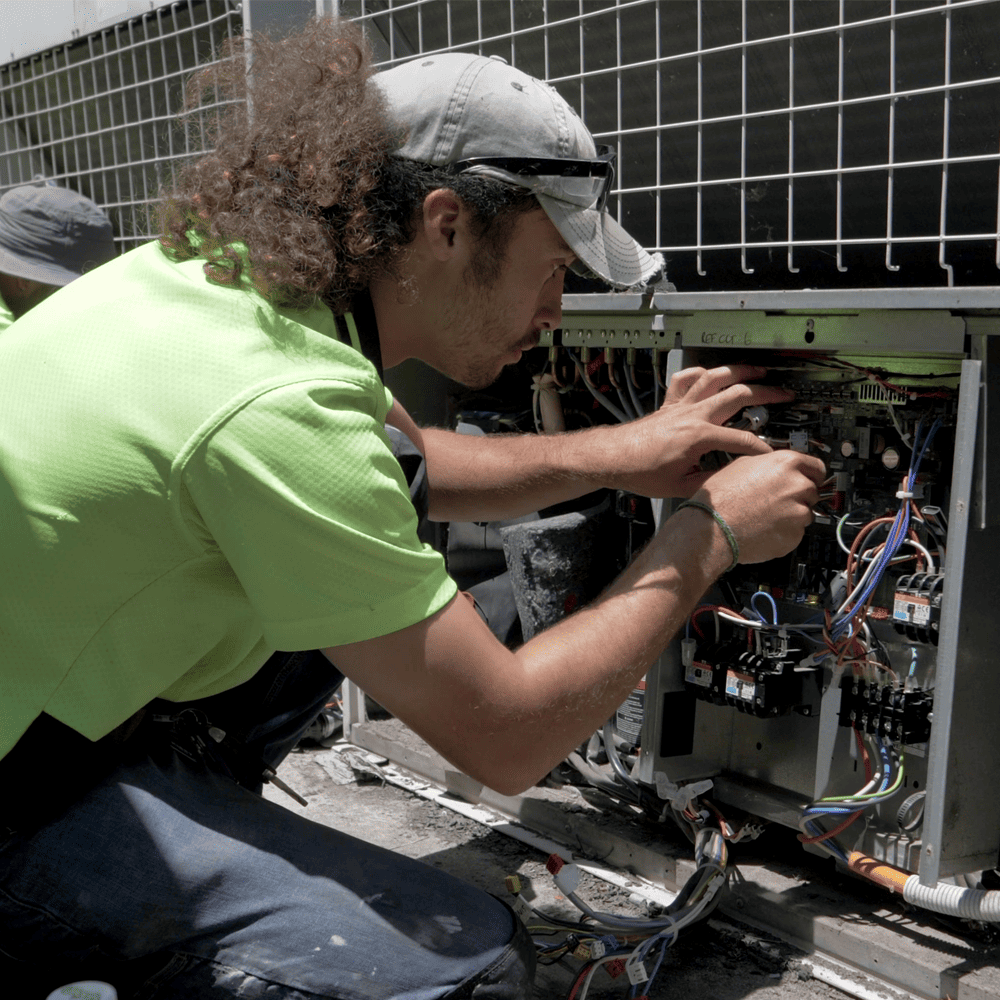
Thermographic scanning uses infrared technology to detect invisible heat resistance within electrical switchboards and control panels. Loose wire connections generate significant heat long before they trip a circuit breaker. A skilled HVAC contractor in Perth runs these scans during routine visits to catch hidden electrical faults. This practice stops major power failures in their tracks.
Electrical fires present a massive risk in commercial plant rooms. Infrared cameras identify overloaded circuits instantly. Technicians tighten loose terminals or replace degraded wiring on the spot. This diagnostic work doesn’t require any system downtime.
Property owners appreciate the reduced fire risk. Insurers often require these thermal scans for policy compliance in large buildings. It’s a highly effective way to verify electrical safety.
Condenser Coil Cleaning and Energy Efficiency
Cleaning condenser coils regularly ensures maximum heat transfer and drastically lowers a building’s baseline power consumption. Fouled coils force compressors to work significantly harder to reject heat. Dirt and debris act as thick insulation on the heat exchange surfaces. This forces the entire system to run longer to hit the thermostat setpoint.
- Applying chemical foaming agents strips away baked-on grime without damaging fragile aluminium fins.
- Using low-pressure water washes clears out the dislodged dirt to restore proper airflow.
- Straightening bent coil fins with a fin comb maximises the available surface area for heat rejection.
Managing Condensate Drains and Water Damage
Clearing condensate drains systematically prevents catastrophic indoor flooding and expensive ceiling damage. Air conditioning units generate litres of water daily through natural condensation. Slime and algae build up inside the PVC drain pipes over time. A blocked pipe pushes water straight through the drip tray and into the building structure.
Technicians flush these lines with nitrogen or biocides during programmed visits. Algae growth happens quickly in dark, damp plant rooms. Treating the drip trays stops the blockages from forming in the first place. Water damage claims cost thousands of dollars to fix.
Refrigerant Charge and System Pressures
Checking superheat and subcooling temperatures determines if a system holds the correct volume of refrigerant. A unit running low on gas loses cooling capacity and overworks the internal mechanical parts. Compressors rely on the returning cool refrigerant gas to prevent motor overheating. Running a system short on gas guarantees an early mechanical death.
Technicians attach digital gauges to read the exact operating pressures. Small leaks develop slowly through microscopic holes in copper joints. Finding and fixing these tiny leaks prevents massive repair bills later. It also protects the environment from harmful greenhouse gas emissions.
Evaluating Airflow and Belt Degradation
Measuring airflow differentials and inspecting fan belts guarantees conditioned air reaches every part of the building. Degraded belts slip on their pulleys, reducing the fan speed and dropping the overall air volume. A slipping belt squeals loudly and eventually snaps under heavy tension. Regular tensioning keeps the fans spinning at their rated capacity.
- Checking sheave alignment stops uneven wear on the outer rubber belt edges.
- Replacing clogged return air filters removes restrictions that starve the fan of air.
- Measuring motor amperage verifies the fan isn’t overloading the electrical supply circuit.
Compliance Reporting and Indoor Air Quality
Programmed maintenance generates the exact service logs required to meet strict Australian building codes. Building owners must prove their cooling towers and ventilation systems operate safely to prevent bacterial outbreaks. Local councils demand paper trails showing regular chemical dosing and water testing. Keeping accurate records protects the facility manager from heavy fines.
Fresh air requirements dictate how much outside air must enter the building. Technicians calibrate outside air dampers to keep indoor CO2 levels low. High CO2 levels cause drowsiness and drop office productivity. Proper ventilation keeps the indoor environment healthy for all occupants.
Frequently Asked Questions
What’s the Typical Return on Investment Timeframe for Smart Maintenance?
Most commercial facilities see a full return on investment within eighteen to twenty-four months. The financial savings come directly from reduced emergency repairs and lower baseline energy consumption. Facilities managers often recoup the initial servicing costs during the first major summer heatwave.
How Does Thermographic Scanning Identify Electrical Faults Early?
Infrared cameras detect the heat generated by electrical resistance in loose wiring or failing components. This invisible heat signature appears on the scanner long before the part smokes or trips a breaker. Technicians fix the loose connection immediately to prevent dangerous switchboard fires.
Can Programmed Servicing Extend the Lifespan of Older Chillers?
Consistent programmed servicing significantly extends equipment lifespans by catching minor friction issues early. Bearings and drive belts don’t degrade to the point of catastrophic failure. The equipment runs with less mechanical stress, pushing complete replacement dates back by several years.
Final Thoughts
The transition to structured, preventative facility management changes daily building operations completely. Programmed servicing stops small mechanical faults from turning into expensive, site-wide emergencies. Asset managers receive accurate condition reports to plan future capital expenditure realistically.