When spring arrives in Australia, lawn growth doesn’t just restart — it surges. Grass that sat dormant in winter begins to compete with weeds, pests become more active, and soil conditions shift quickly.
If you don’t act early and decisively, small issues in September can turn into major problems by December. The difference between a resilient lawn and one that fails in summer often comes down to what you prioritise in the first weeks of spring.
Step One: Diagnose Before You Treat
The very first priority in spring isn’t mowing or fertilising — it’s diagnosis. Too many homeowners jump in with fertiliser or a mower without understanding what their lawn actually needs.
Start by walking across the lawn slowly. Look for compacted areas, uneven colour, puddling after rain, or signs of pests. Check for thatch build-up by digging your fingers into the grass to see if there’s a spongy layer preventing water and nutrients from penetrating. This quick assessment gives you a “triage list” of what needs urgent attention.
Without this step, you risk wasting time and money on the wrong fixes. For example, fertiliser won’t solve compaction, and mowing won’t get rid of fungal disease. Diagnosis first means everything else works better.
Step Two: Fix Soil and Drainage Issues
If your soil isn’t right, no amount of lawn care on the surface will matter. Compacted soil, poor drainage, or incorrect pH are hidden problems that undermine every other step.
- Compaction: Use a garden fork or mechanical aerator to relieve pressure and open pathways for air and nutrients.
- Drainage: If puddles linger after watering or rain, address the low spots with topdressing or soil amendments before summer storms arrive.
- pH imbalance: Test your soil early in spring and adjust with lime (to raise pH) or sulphur (to lower it).
Fixing these foundational issues early means fertiliser, water, and seed all have maximum effect later. Think of it as setting the stage before the performance.
Step Three: Control Weeds While They’re Small

Weeds love the same warm soil conditions that spur spring grass growth. Left unchecked, they multiply quickly, competing with your lawn for sunlight and nutrients.
Early spring is the best time for weed control because seedlings are easier to eliminate. Hand-pulling isolated weeds works, but for broad invasions, selective herbicides or natural vinegar-based sprays are more effective. Removing weeds now saves you months of chasing them in summer.
One key priority is stopping seed heads before they spread. Mowing weeds too late often helps them scatter further, so prevention in early spring is more powerful than reactive control later.
Step Four: Repair Bare or Damaged Patches
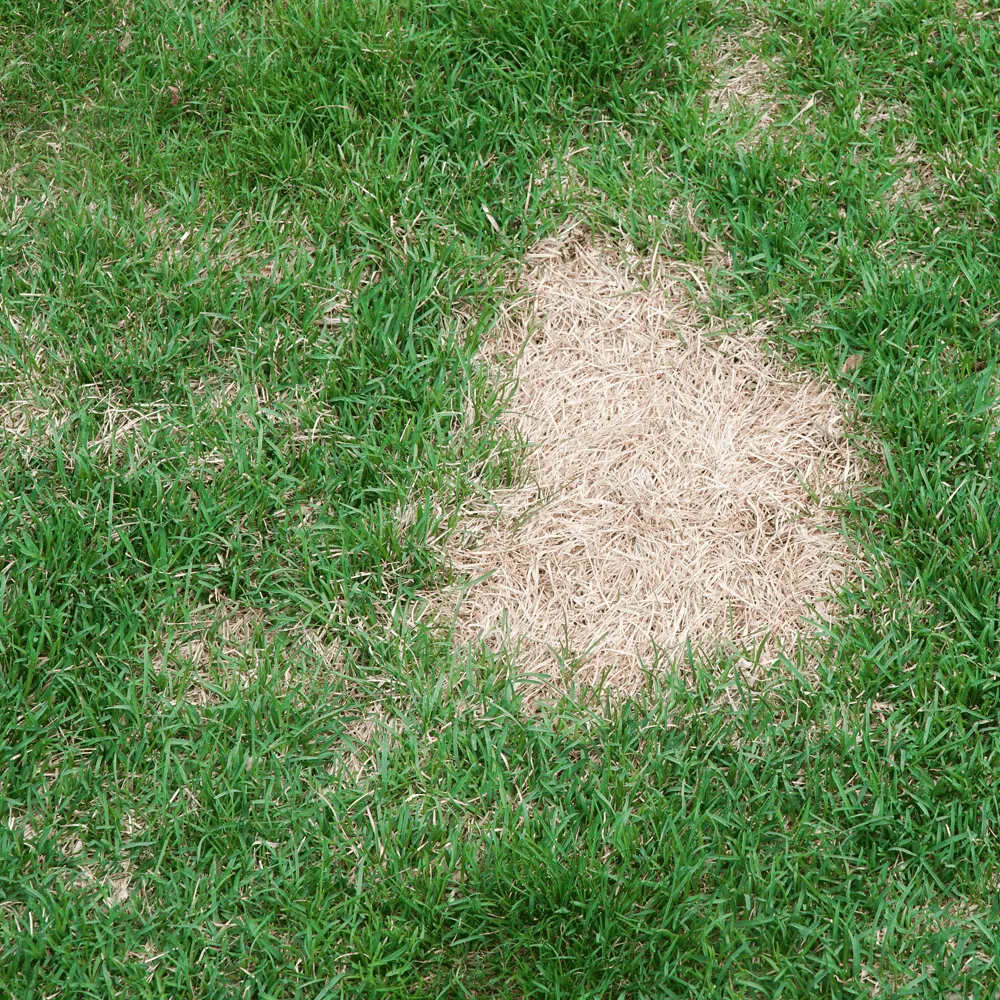
Winter often leaves scars — thin patches where frost, foot traffic, or pests have damaged the turf. These weak spots are prime real estate for weeds if left untreated.
Overseeding in spring ensures grass fills those gaps before weeds do. The priority here is timing: sow seed when the soil has warmed enough for germination but before the summer heat sets in. Combine this with light topdressing to help seeds take root and water deeply to encourage early establishment.
By acting early, you stop bare spots from becoming chronic problem areas that return every year.
Step Five: Start the Season’s Mowing Correctly
One of the most common mistakes in spring lawn care is scalping the grass too short on the first mow. People see tall blades and think cutting them down hard will “reset” the lawn, but this stresses the plant and exposes the soil.
The first priority with mowing isn’t height reduction, it’s recovery. Keep the blades set higher for the first few cuts, gradually lowering them as growth strengthens. This allows the lawn to photosynthesise effectively, rebuild energy reserves, and push out fresh shoots.
Also sharpen mower blades before spring mowing begins. Dull blades tear rather than cut, leaving ragged edges that invite disease.
Step Six: Feed for Resilience, Not Just Colour
Spring fertilising is less about getting a quick green-up and more about preparing for summer resilience. That’s why slow-release fertilisers should be the priority.
Applying fertiliser too early, before soil temperatures rise, means wasted nutrients. The right timing is once consistent spring warmth has arrived. Choose a balanced fertiliser that feeds steadily for several weeks, strengthening both leaves and roots.
The priority here isn’t just cosmetic appeal; it’s building reserves of energy that will carry the lawn through heatwaves, high foot traffic, and periods of drought.
Step Seven: Reset Watering Habits
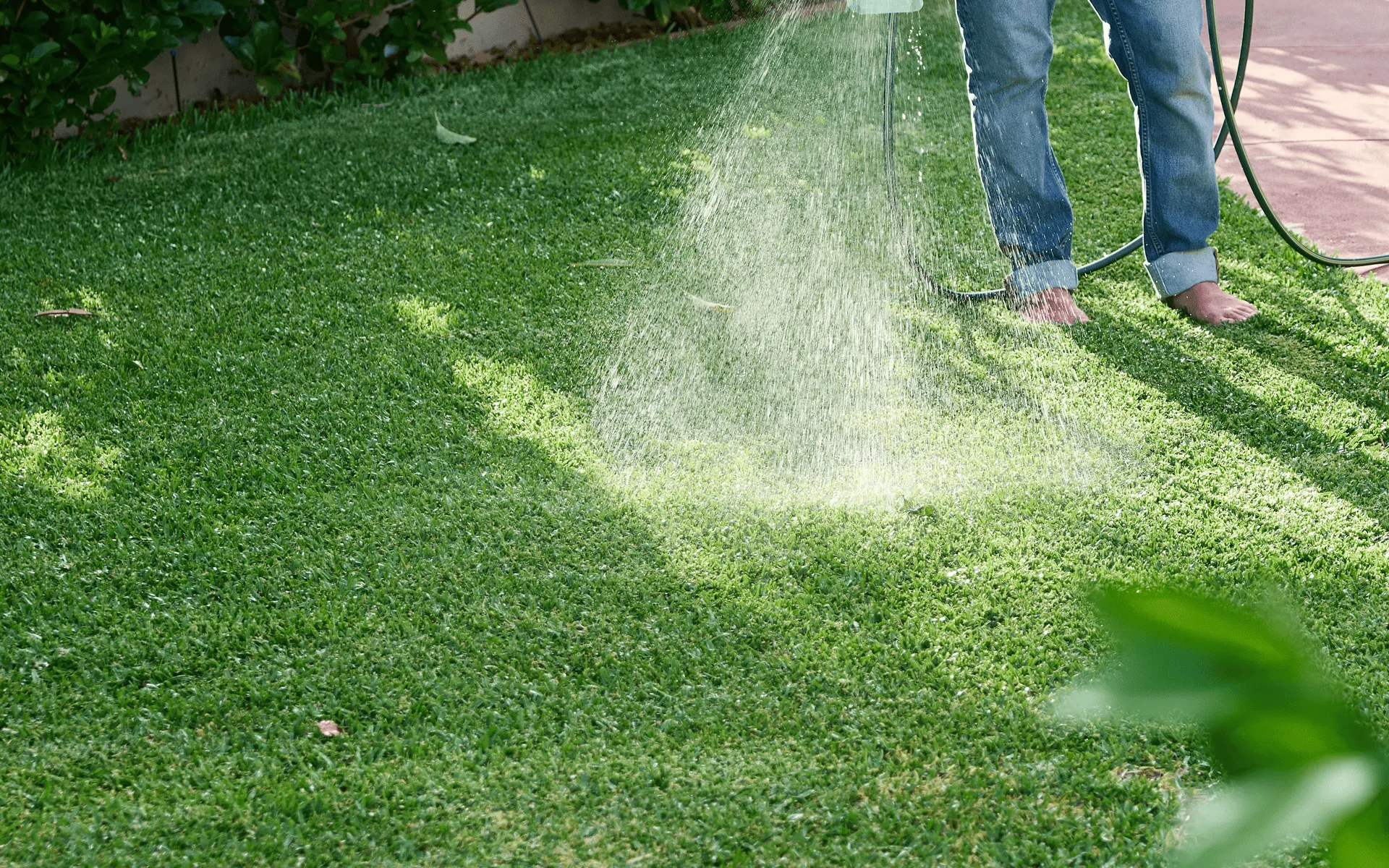
Watering is often misunderstood in spring. Some homeowners think the season’s rainfall is enough, while others overwater at the first sign of dryness. Both approaches weaken the lawn long-term.
The first watering priority is depth. Instead of frequent shallow watering, aim for deep soaks once or twice a week. This trains roots to grow deeper into the soil. Morning watering is best, reducing evaporation and limiting fungal risk.
By establishing proper watering habits in spring, you create drought resistance that lasts into summer and autumn.
Step Eight: Watch for Early Pest Activity
Pests don’t wait until summer to start feeding. Lawn grubs, beetle larvae, and fungal diseases can appear in spring, often unnoticed until damage becomes severe.
Checking for early signs is a priority because intervention is easier before populations explode. Signs include spongy turf, birds pecking persistently at the lawn, or unusual discolouration. Addressing issues early reduces the need for chemical treatments later and prevents large-scale damage.
Final Thoughts
Spring is the season of opportunity for Australian lawns. The first priorities — diagnosing, fixing soil, controlling weeds, repairing patches, mowing correctly, feeding steadily, watering deeply, and checking for pests — all work together to set the stage for year-round health.