Running a strata complex or commercial building is never just about paying the bills and keeping the lights on. You are balancing owners, tenants, committees, budgets, regulations, and service providers, often across multiple sites. When everything is handled reactively, that balancing act turns into constant firefighting.
Preventative maintenance is how you step out of that cycle. Instead of waiting for equipment to fail, you put in place a planned approach to inspections, testing, servicing, and upgrades. Problems are found earlier, fixed in business hours, and documented properly. The building becomes more predictable, safer, and far less stressful to manage.
While the concept applies to every building service, preventative electrical maintenance deserves special attention because almost every other system relies on stable power. If the electrical backbone is weak, everything else sits on shaky ground.
What Preventative Maintenance Really Means in Practice
Preventative maintenance is sometimes mistaken for “just servicing plant once a year”. In reality, it is a structured way of looking after the whole building.
For strata and commercial properties, preventative maintenance usually involves:
- Identifying all critical assets and systems
- Setting clear inspection and servicing intervals
- Carrying out checks, testing, and minor adjustments on schedule
- Recording condition, defects, and recommendations after each visit
This applies across electrical, HVAC, fire protection, lifts, pumps, doors, roofs, drainage, and more. When it is done properly, the building manager can see what has been done, what is due next, and where the future risks sit, instead of being surprised every time something breaks.
Preventative electrical maintenance slots into this bigger picture as the layer that keeps power distribution, protection devices, and safety systems in good working order.
Why Strata and Commercial Buildings Cannot “Wing It”
A standalone home can sometimes live with a relaxed approach to maintenance. Strata and commercial buildings do not have that luxury.
In a strata scheme, there is shared infrastructure that affects everyone:
- Main switchboards and distribution boards
- Common area lighting and car park lighting
- Lifts, pumps, and ventilation systems
- Fire detection and emergency lighting
One failure can impact dozens or hundreds of residents at once. In commercial buildings, unplanned downtime does not just mean inconvenience. It can mean lost trading hours, missed deadlines, and unhappy tenants who start looking for space elsewhere.
On top of this, strata managers and building managers juggle:
- Changing legislation and compliance obligations
- Insurance requirements and risk assessments
- Capital works planning and levy approvals
- Communication with owners, committees, and tenants
When maintenance is purely reactive, every issue becomes urgent, political, and expensive. Preventative maintenance brings structure back to the way the building is run.
The Safety Case for Preventative Electrical Maintenance
Electrical faults are unforgiving. A hidden problem in a switchboard, a neglected protective device, or a failed emergency light can turn from a minor defect into a serious incident with very little warning.
This is why preventative electrical maintenance is so important for strata and commercial buildings. A proper program will typically cover:
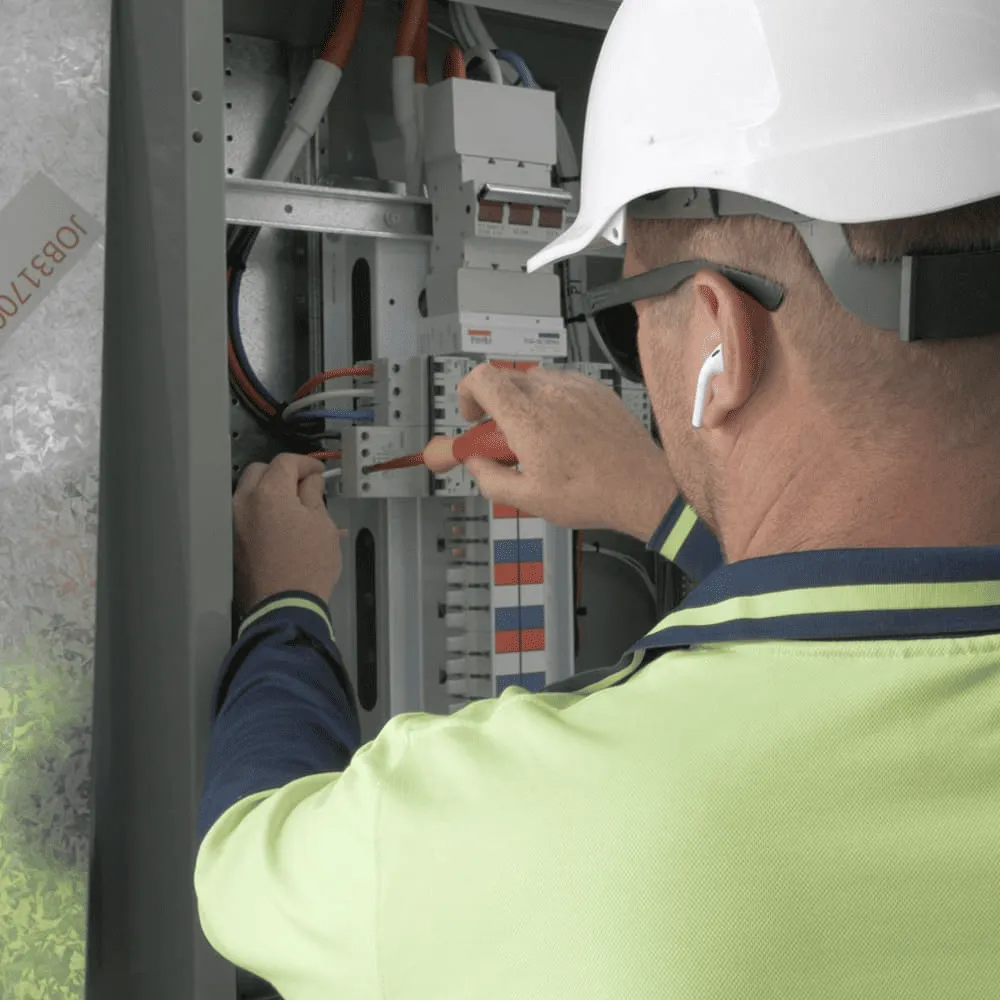
- Visual inspections and servicing of main switchboards and distribution boards
- Testing and recording of RCD performance
- Regular inspection and testing of emergency and exit lighting
- Checks on smoke detection and alarm devices in common areas
- Thermal or temperature checks on critical connections where appropriate
By checking these systems regularly, you reduce the risk of:
- Electrical fires caused by loose or overheating connections
- Protection devices that fail to trip when needed
- Dark evacuation paths because emergency lighting has failed
- Prolonged outages when a fault finally appears
Preventative electrical maintenance is not just about avoiding nuisance trips. It directly supports the safety of residents, tenants, staff, and visitors.
Financial Benefits: From Random Costs to Planned Investment
Unplanned failures hurt the budget in several ways. You pay more for urgent call outs, you often accept whatever replacement equipment is available, and you may suffer downtime that affects tenants or operations.
Preventative maintenance flips that around. Over time, it helps you:
- Reduce the number of after-hours call outs
- Catch small issues before they escalate into major repairs
- Extend the life of high-value assets
- Plan upgrades in stages instead of in one painful hit
When preventative electrical maintenance is in place, you gain far clearer visibility over the health of your electrical infrastructure. For example, early warning about ageing protection devices or overloaded boards means you can schedule works in the off-season or outside peak trading hours.
Reducing Complaints and Day-To-Day Noise
From a manager’s point of view, complaints can be as draining as the technical issues themselves. The same themes appear again and again:
- Flickering or failed common area lighting
- Lifts stuck or out of service
- Car parks and stairwells that feel unsafe at night
- Air conditioning failures on critical days
Most of these have a preventative angle. Regular servicing and inspections reduce the likelihood of failure. Good reporting helps you explain what is being done when issues are picked up.
Compliance, Insurance and Duty of Care
For strata and commercial properties, it is not enough for systems to usually work. They have to meet regulatory standards and insurance expectations.
Preventative maintenance helps you demonstrate that you are taking your duty of care seriously. It provides:
- Dated records of tests and inspections
- Evidence that essential services are being maintained
- Clear trails of recommendations and follow up actions
Prevention as Standard Practice, Not a Luxury
For modern strata and commercial buildings, preventative maintenance is not an optional extra. It is the standard for responsible management.
The payoff is a building that runs more smoothly and a management role that is far less reactive. Instead of spending your time putting out fires, you can focus on guiding the building’s long-term performance and value.