Scarifying means mechanically cutting into the soil profile to remove dense thatch buildup and dead plant material. It acts as an aggressive intervention that strips the turf back to bare runners.
Getting autumn lawn care right means understanding the timeline before winter hits. Most operators reckon the window closes when soil temperatures drop consistently below 14 degrees Celsius. The soil needs warmth for the grass to recover from the stress.
Why Thatch Removal Matters for Plant Health
Removing thatch allows water, air, and applied nutrients to reach the soil profile instead of getting trapped in dead organic matter. Thatch acts like a sponge that intercepts surface moisture while the actual root zone remains bone dry.
- Roots establish deeper into the soil profile when water penetrates properly rather than sitting near the surface.
- Air exchange improves dramatically around the crown of the plant once the suffocating layer is gone.
- Fertiliser granules make direct contact with the soil bed instead of dissolving uselessly into the thatch.
Assessing the Need for Mechanical Intervention
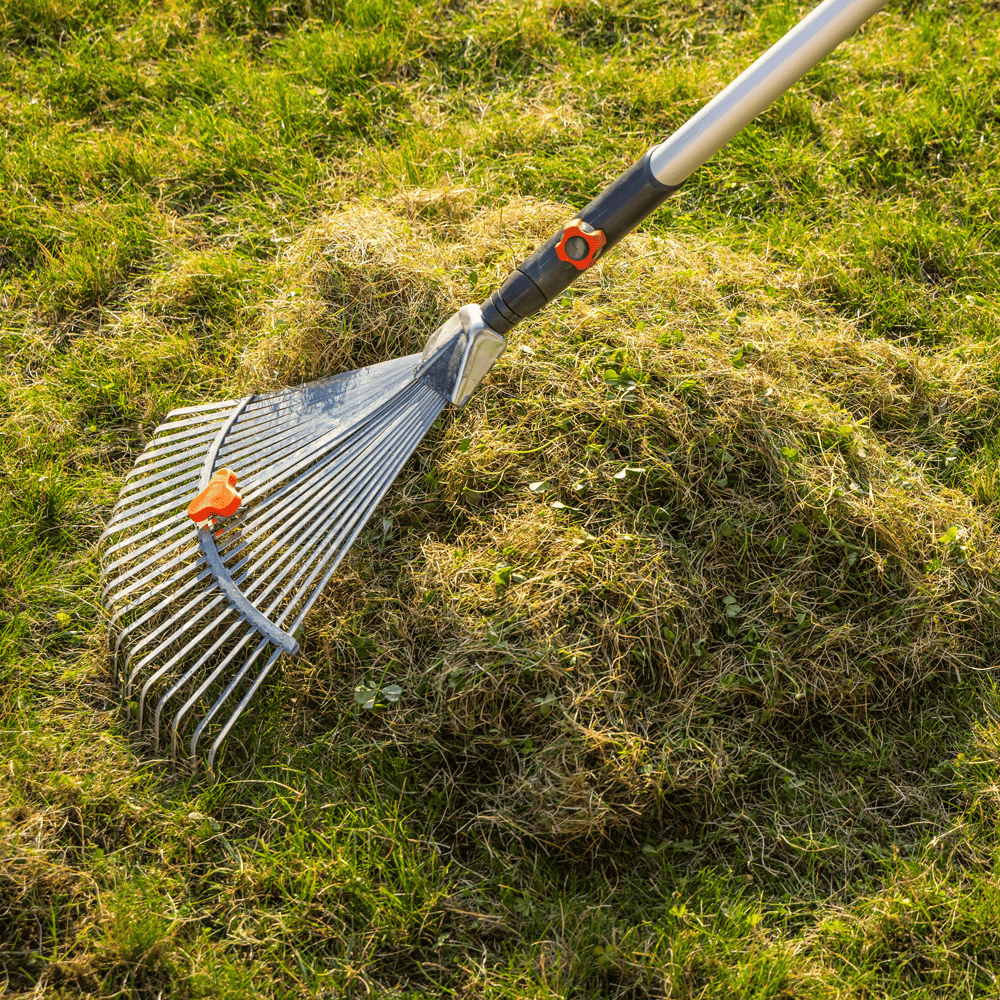
Determining if a lawn requires scarification involves taking a core sample to measure the exact thickness of the thatch layer against the soil line. Anything over 15 millimetres generally warrants mechanical removal to prevent turf decline.
- The finger test requires pushing an index finger through the grass canopy to feel the firm soil underneath.
- A hollow tine core reveals a cross-section of the root zone for highly accurate measurement.
- Excessive sponginess when walking across the yard indicates severe organic buildup.
Machinery Selection and Blade Calibration
Selecting the right machinery means matching blade type and depth settings to the specific grass variety and the measured thickness of the thatch. Heavy-duty vertical mowers with solid tungsten-tipped blades offer the most precise control for deep soil penetration.
- Flimsy electric dethatchers with wire tines only scratch the surface without touching the true thatch layer.
- Swinging flail blades handle uneven ground well without stalling the petrol engine.
- Solid fixed blades slice directly into the soil profile to sever old runners and promote fresh growth.
Executing the Cut and Managing Waste
Executing the scarification process requires running the machine in straight lines with overlapping passes while maintaining a consistent walking pace. A steady speed prevents the blades from bogging down or tearing the grass unevenly.
- Overlapping passes ensure no strips of thatch remain hidden between the cutting lines.
- Maintaining a constant walking speed keeps the engine RPM high for clean slicing action.
- Mowing the turf exceptionally low beforehand stops the scarifier blades from clogging with long grass blades.
Immediate Post-Treatment Recovery Protocols
Post-treatment recovery relies on applying a high-quality granular fertiliser and a soil wetting agent immediately after clearing the debris. The open soil profile absorbs these inputs rapidly to trigger fast growth before the winter cold sets in.
- Applying a balanced NPK fertiliser gives the damaged stolons the immediate nutrition needed for repair.
- Top dressing with clean washed sand levels out any surface irregularities created by the machine.
- Deep watering settles the sand and activates the fertiliser granules into the root zone.
Frequently Asked Questions
Can a Lawn be Scarified in Spring Instead?
Spring is an excellent alternative window for mechanical thatch removal as the plant is entering its peak growth phase. Waiting until the soil warms up ensures the turf recovers quickly from the aggressive cutting. Many professionals prefer the spring timing to avoid the risk of winter dormancy catching them out.
How Often Should Thatch Removal be Done?
Most domestic lawns only require heavy mechanical intervention every two to three years depending on the grass variety and maintenance schedule. High-input lawns receiving heavy irrigation and fertiliser might need an annual pass to keep the canopy manageable. Assessing the physical thickness of the dead layer dictates the actual frequency.
Does Scarifying Fix Soil Compaction?
The vertical blades only slice the very top few millimetres of the soil profile. This shallow cutting does little to relieve deep structural compaction. Deep core aeration is the required mechanical process to physically extract soil plugs and create air space in compacted ground.
Wrap-Up
Proper autumn lawn care guarantees the turf enters winter with a clean, breathable surface and an active root system. Removing the decaying organic layer prevents disease outbreaks and maximises the efficiency of expensive soil inputs.
The job is messy and physically demanding. The short-term visual impact is confronting for most property owners. The long-term agronomic benefits speak for themselves once the spring flush arrives.