There is a reason experienced fabricators, builders, and manufacturers get picky about aluminium flat sheets. When the job needs to look clean, fit precisely, last outdoors, or perform under load, the sheet you start with matters as much as the design.
Low-quality aluminium flat sheets can look “good enough” on day one, then create headaches the moment you cut, bend, weld, powder coat, or install them. The costs rarely show up as a neat line item either. They appear as rework, callbacks, wasted labour, and a finished result that never quite looks like the spec.
What “Low-Quality” Looks Like in Aluminium Sheet
Low-quality does not always mean “thin” or “weak.” It often means inconsistent, poorly controlled, or unsuitable for the intended use. Two sheets can share a similar thickness and still perform very differently once you start processing them.
Common signs show up in the details: surface condition, flatness, temper consistency, and how the metal responds to forming and finishing. In practice, low-quality sheet is the material that forces you to adjust your process to suit the sheet, instead of the sheet supporting your process.
Key characteristics that often correlate with low quality include:
- Inconsistent thickness across the sheet
- Poor flatness (waviness, oil-canning, or edge curl)
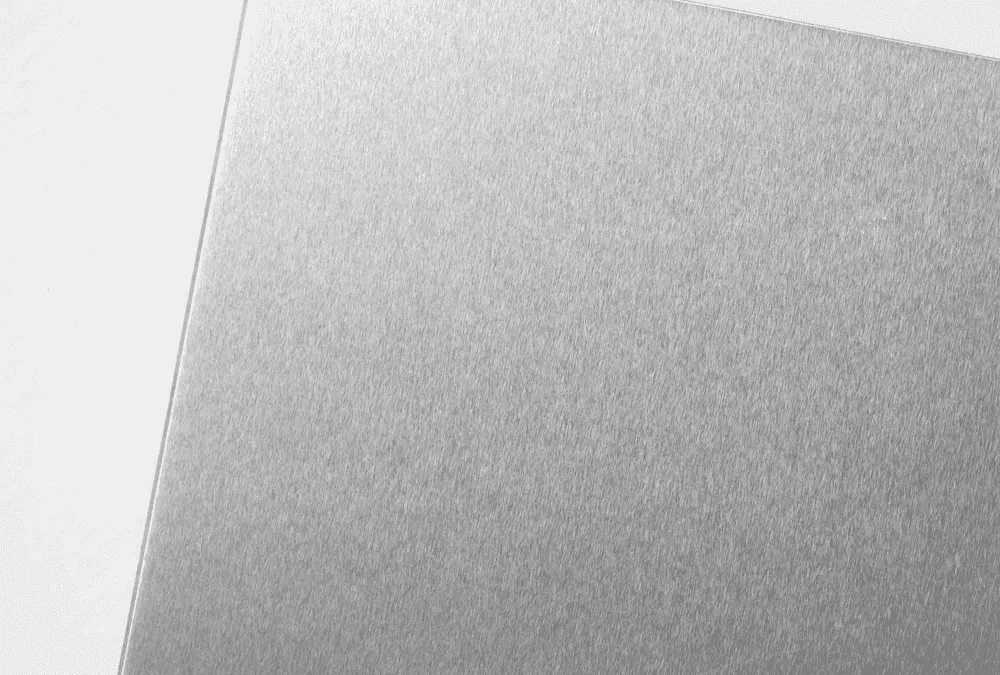
- Surface defects (scratches, pits, roll marks, staining, or embedded debris)
- Unknown or inconsistent alloy and temper
- Higher chance of contamination that interferes with finishing or welding
A single issue might be manageable, but when several stack up, the project stops being a straightforward fabrication job and starts becoming damage control.
Fit-Up And Tolerance Drift: The Quiet Budget Killer
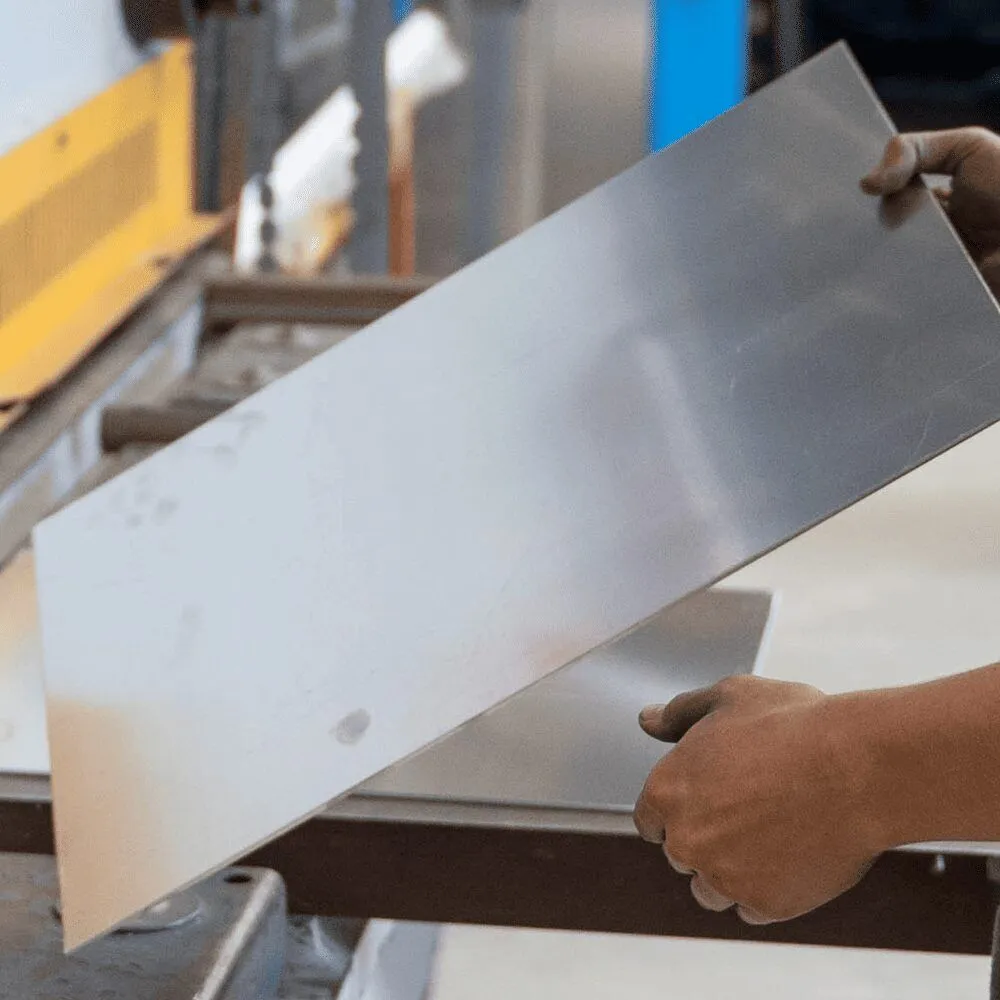
Tolerance drift happens when the sheet does not behave the same way from one section to the next. Slight variations in thickness, flatness, or internal stress can shift critical dimensions during cutting and forming. You might start with a CAD-perfect layout, then discover the assembly does not align, holes walk slightly off, or folds do not land where they should.
This can be subtle at first. A panel that is 1 to 2 mm out may still “fit,” but it will often create knock-on issues like uneven reveals, fasteners pulling the sheet, or visible distortion once installed.
Ways tolerance drift shows up on the workshop floor include:
- Laser or router cuts that do not sit square in a jig due to sheet stress release
- Fold lines that creep because thickness is not consistent along the bend
- Holes and slots that do not line up across mated parts
- Assemblies that require forcing, shimming, or elongated holes to make things meet
These fixes cost time, and they also reduce the quality of the final outcome. Even if you can force the fit, you often cannot unsee the compromise.
Poor Flatness Creates Visible Defects After Installation
Flatness is not a “nice to have” when the sheet is visible. Waviness and oil-canning can make a clean design look sloppy, especially in raking light. It can also cause functional issues where panels need to seal, sit flush, or align with adjacent components.
The challenge is that poor flatness is not always obvious while the sheet is leaning in a rack, or when it is still partially constrained. Once it is cut into panels, installed with fasteners, or bonded to a frame, the distortions can become more obvious.
Common real-world consequences include:
- Cladding panels that look rippled on a finished façade
- Signage panels that read as bent or uneven from certain angles
- Interior fit-outs where shadows highlight waves along join lines
- Panels that “drum” or resonate because they are under tension and not seated properly
If the project is meant to look sharp, flatness issues can undermine the job even if the workmanship is excellent.
Forming And Bending Failures: Cracking, Springback, And Inconsistent Radii
Bending is where low-quality sheet often gives itself away. Even if the surface looks fine, poor alloy control or inconsistent temper can cause cracks at the bend line, unpredictable springback, or varying bend radii across parts made from the same sheet.
High-quality fabrication depends on repeatable bends. If you have to tweak your brake settings for every part, the process slows and the risk of scrap increases.
Typical problems during forming include:
- Micro-cracking on the outer bend radius, especially on tight folds
- Excessive springback, forcing multiple passes and adjustments
- “Orange peel” surface texture on bends that will be visible after finishing
- Uneven bend angles on parts cut from different areas of the same sheet

Welding and Joining Issues: Porosity, Contamination, and Weak Results
Not every high-quality job involves welding, but for those that do, sheet quality matters. Low-quality aluminium flat sheets can introduce contamination that leads to porosity, inconsistent arc behaviour, and weaker welds. Even when the weld holds, it may look rougher, require more cleanup, or react poorly during finishing.
Joining issues also show up with mechanical fasteners and adhesives. A sheet that is not flat, or has inconsistent thickness, can cause uneven clamping pressure, pulled fasteners, or bonding gaps that reduce long-term reliability.
Common joining headaches include:
- Porosity and pinholes that take time to chase and repair
- Inconsistent weld appearance across seams
- Heat distortion that is harder to control due to internal stress in the sheet
- Fasteners that “print through” or distort the face
- Adhesive bonds that fail prematurely because the surfaces are unstable or contaminated
Key Takeaways
Low-quality aluminium flat sheets can undermine high-quality work in ways that are hard to fix and expensive to hide. The problems usually show up as tolerance drift, poor flatness, inconsistent bending behaviour, finishing defects, joining issues, and durability risks that appear after installation. The money saved at purchase is often lost in labour, scrap, and reputational damage.