

Spring in Australia is when your lawn shakes off winter and starts growing again. Warmer soil, longer days, and regular showers can make even tired turf look lively. That often leads to a big question: should you change grass types now that spring has arrived? Most of the time, the answer is no.
Spring is usually the best season to refresh what you have with smart lawn care and small fixes. That said, there are cases where switching varieties can save you time and money over the long term.
What Actually Changes in Spring for Your Lawn
Spring flicks the growth switch. Soil temperatures climb, root activity increases, and weeds wake up. This growth is great if your grass has enough nutrients and light. It can be frustrating if your lawn comes out of winter thin, compacted, or shaded.
Expect faster mowing cycles, more competition from annual weeds, and opportunities for repair, renovation, and feeding. The big takeaway is that spring rewards consistent lawn care, not just one-off fixes.
When Changing Grass Species Makes Sense
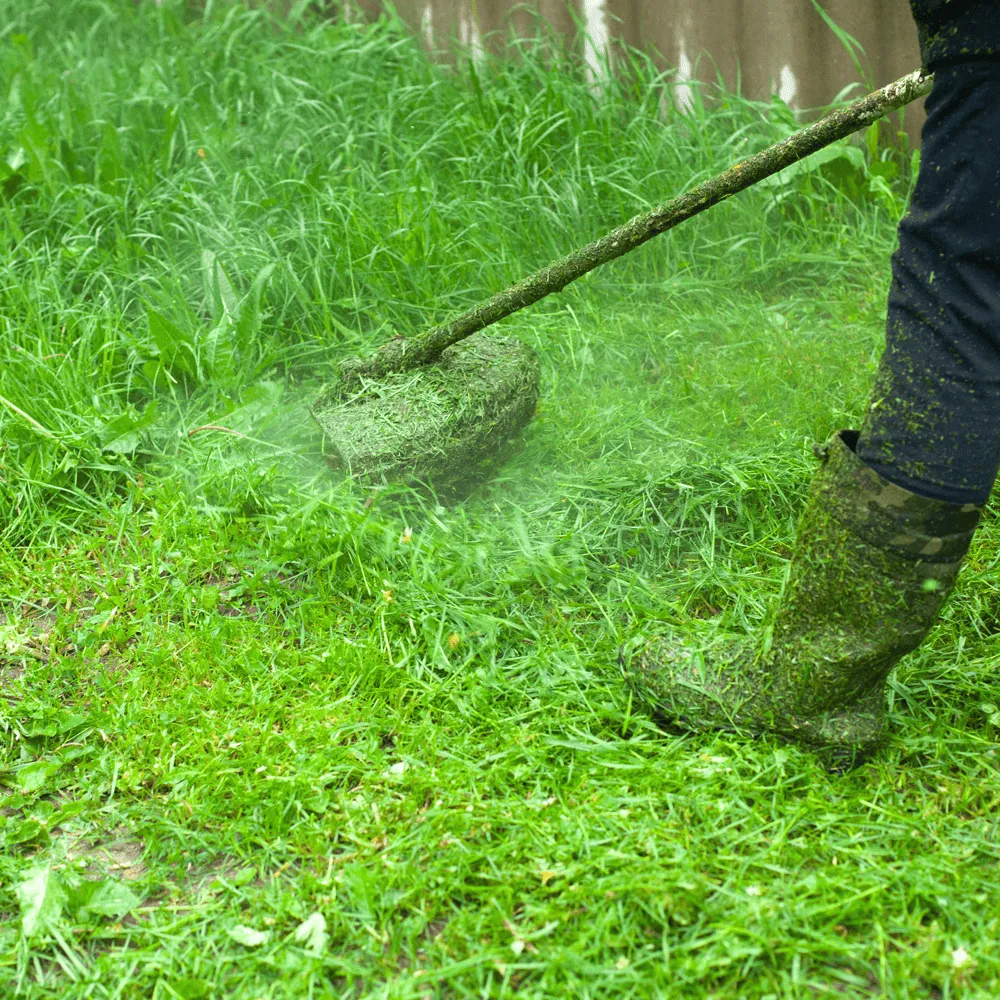
Switching turf is a big decision. Consider it if the current lawn is the wrong match for your site or lifestyle. Here are the strongest reasons to change:
- Deep Shade All Year: If large trees or buildings keep the area in shade, many couch and kikuyu lawns will struggle. Shade-tolerant buffalo or certain zoysias may suit better.
- Harsh Sun With Low Water: In hot, exposed sites with water limits, drought-tolerant varieties like buffalo or zoysia can outperform cool season grasses.
- Heavy Wear From Kids And Pets: If you need fast recovery, kikuyu or couch can bounce back quickly with the right fertiliser and mowing routine.
- Coastal Conditions: Salt spray and sandy soil may favour buffalo or kikuyu.
- Cold Pockets Or Frost: In cooler regions, cool season blends such as tall fescue with perennial rye may look greener for longer.
- Persistent Pest Or Disease Issues: If a variety is repeatedly hammered by the same issue, choosing a more resilient type can reduce ongoing costs.
- Maintenance Mismatch: If you want low mowing and fewer edges, buffalo or zoysia generally need less frequent mowing than fine couch in peak growth.
- Renovation Failure: If repeated spring renovations have not fixed bare, compacted, or weedy lawns, a clean re-turf or re-seed can be more efficient.
If none of these apply, a spring tune-up of your existing lawn is usually the better play.
If You Choose to Switch: A Practical Spring Timeline
Switching grass is all about preparation. Here is a simple path that works well in spring:
Week 1: Plan And Test
- Confirm variety based on sun, water, wear, and climate.
- Test soil pH and structure, then order amendments and turf.
Week 2: Remove And Prepare
- Spray out existing lawn if replacing it fully, or physically remove turf.
- Fix levels and drainage.
- Blend in organic matter, adjust pH, and add soil wetting agent as needed.
Week 3: Lay And Settle
- Lay turf the day it arrives.
- Stagger joints tightly and roll to improve contact.
- Water immediately to settle soil and remove air pockets.
Weeks 4 to 6: Establishment
- Keep the root zone moist, reducing frequency gradually.
- First mow when grass reaches one third above its normal height.
- Light feed after roots grab, then transition to regular lawn care.
Choosing The Right Turf for Australian Conditions
Match the variety to your site rather than chasing a trend.
- Buffalo: Good shade tolerance, broad leaf, comfortable underfoot, handles many coastal sites. Needs moderate feeding, not as fine a finish as couch but lower maintenance for many homes.
- Couch: Fine leaf and dense finish, great for full sun areas and show lawns. Recovers quickly with regular feeding and water but needs more frequent mowing and edging.
- Kikuyu: Vigorous and tough with strong wear recovery, ideal for active families. Can invade gardens and paths without firm edging and needs consistent seasonal management.
- Zoysia: Slow to establish but low maintenance once mature. Good drought tolerance, clean look, and less thatch if mowed correctly.
- Tall Fescue/Perennial Rye Mixes: Suitable for cooler climates and shaded spots, often greener through winter. May need more water in hot summers and seasonal oversowing.
If you are unsure, walk your street and note lawns that look great with similar sun and soil. Local performance is a reliable signal for your choice.
Budget, Sustainability, and Maintenance

A new lawn is an investment. Keep these factors in mind:
- Upfront Cost: Includes turf or seed, soil amendments, delivery, and possibly irrigation upgrades.
- Water Use: Choose a variety that thrives on your realistic watering schedule. Wetting agents, mulch rings around trees, and soil amendments can reduce water demand.
- Fertiliser Load: Slow-release options reduce runoff and keep growth even. Avoid excess nitrogen that drives thatch and disease.
- Mowing Commitment: Finer grasses may need more frequent cuts during peak growth. If you prefer fortnightly mowing, choose varieties that suit that rhythm.
- Edging And Encroachment: Strong spreaders like kikuyu and couch need solid barriers to prevent garden bed invasions.
Balancing these elements will help you pick a lawn that suits both your wallet and your weekend plans.
The Final Takeaway
Spring does not automatically mean changing your lawn grass. It means reassessing the match between your site, lifestyle, and turf. For many homes, the smartest move is a spring reset focused on mowing, feeding, water management, and weed control.