Electrical infrastructure installation relies entirely on managing temperature before a single cable gets pulled. Heat dictates the lifespan of every single component on the board. Fail to plan for thermal loads, and a facility will inevitably cop a hammering when summer hits.
A common issue in this field is thermal runaway. Thermal runaway happens when temperature increases cause a system to draw more current. That extra current generates even more heat in a destructive loop that burns out components rapidly.
Core Drivers of Switchroom Temperature Control
Switchroom temperature control ensures components operate within their designed thermal limits. Without active cooling, enclosed breakers and variable speed drives fail prematurely.
- Ambient heat creates resistance in copper wiring.
- High resistance forces systems to draw higher amperages.
- Variable frequency drives generate massive internal heat during normal operation.
- Poor ventilation concentrates this heat around sensitive microprocessors.
Designing Submains for Large Capacity Freezers
Designing submains for large capacity freezers requires upsized cables to handle heavy starting currents. Compressors pull massive loads when they first kick on. Cold stores need a lot of grunt to maintain stable temperatures. Sites often run multi-compressor setups to achieve this baseline.
- Oversized copper reduces voltage drop across long warehouse runs.
- Properly specified breakers prevent nuisance tripping during defrost cycles.
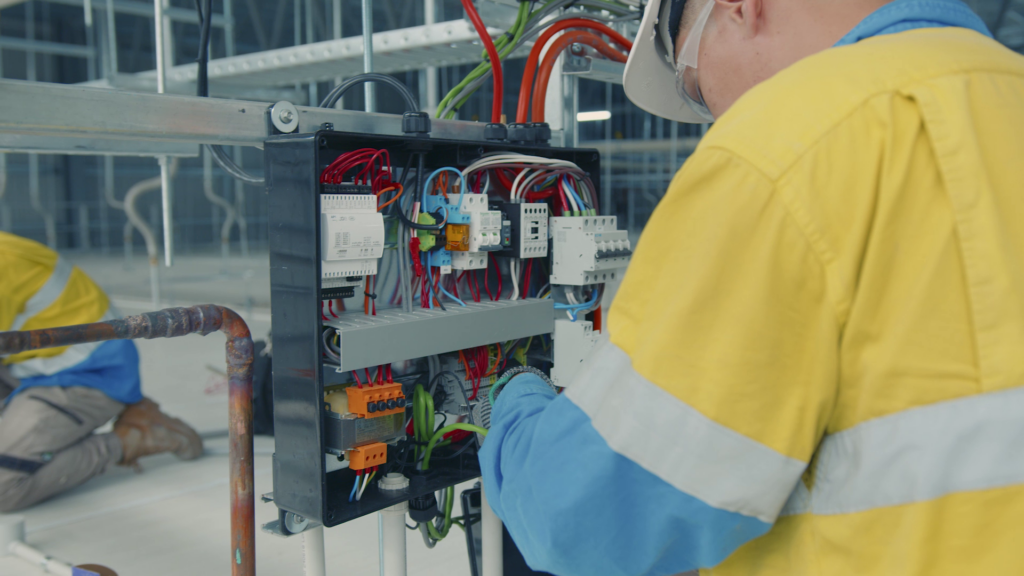
- Segregated cable trays keep noisy variable speed motor cables away from controls.
- Thermal derating factors apply when cables run through insulated ceiling panels.
Upgrading Power Factor Correction Equipment
Upgrading power factor correction equipment stabilises the reactive power drawn by massive refrigeration plants. Motors and compressors create a lag between voltage and current. Capacitor banks pull this phase shift back into alignment. This hardware lowers the maximum demand registered by the energy provider.
Less reactive power means lower heat generation in the main supply cables. Energy authorities penalise sites with poor power factor readings. It’s common to see a new electrical infrastructure installation run hot simply because of poor power factor. The site pays for power it can’t actively use.
Managing Condensation Near Switchgear
Managing condensation near switchgear prevents catastrophic arcing and busbar degradation. Cold air from adjacent freezer rooms often meets humid ambient air near control panels. Water pooling on switchboards is a fast track to arc faults. Proper vapour barriers must surround any electrical panel near a cold zone.
Dew point calculations dictate exactly where to place these panels. Putting a control cabinet on a shared uninsulated wall asks for trouble. Many project managers overlook the physical placement of electrical hardware. They mount variable speed drives near loading dock doors.
Integrating Building Management Systems
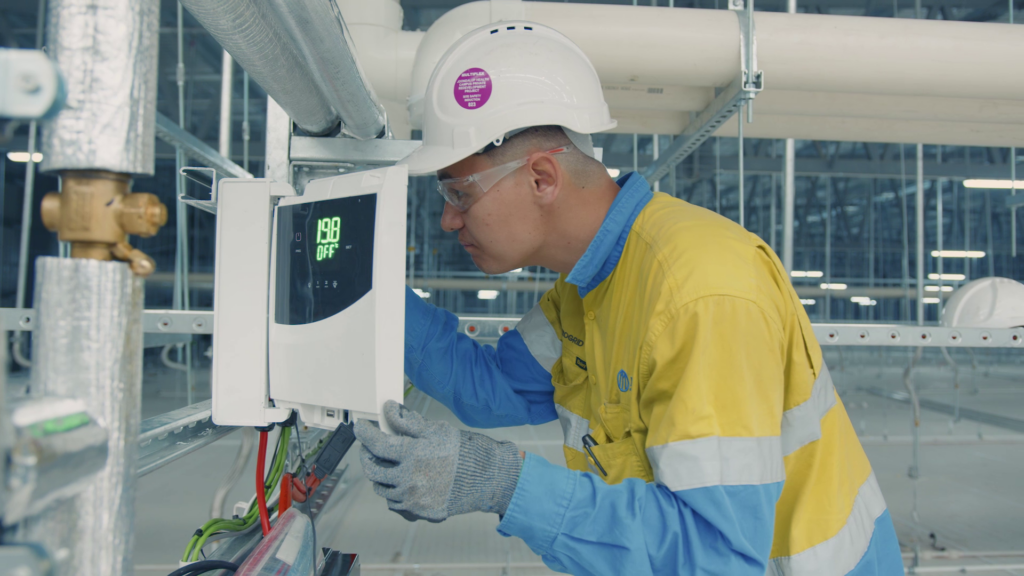
Integrating building management systems allows operators to monitor temperature sensors and adjust cooling loads automatically. They provide early warnings before a switchroom hits critical thermal limits. A smart setup tracks the temperature of individual switchboard tiers. If a motor control centre runs hot, the system ramps up the local cooling.
It throws an alert to the maintenance team long before a breaker trips. This proactive monitoring stops production lines from grinding to a halt. Trade professionals know that logging this data is highly valuable. Spikes in switchroom temperatures often correlate with mechanical wear on the factory floor.
Off-Site Assembly for Massive Floor Plans
Pre-assembling custom switchboards off-site prevents double-handling heavy equipment across massive commercial distribution centres. A commercial building of this size requires careful planning just to keep the work moving. Locking in delivery scheduling before picking up tools saves massive amounts of labour.
- Bolting splitter boards directly onto compressor racks at the workshop streamlines delivery.
- Custom frames arrive ready for immediate installation without chasing parts across the site.
- This approach keeps the mechanical equipment schedule aligned with the electrical fit-out.
- Less time moving hardware across the floor means the cold chain starts operating sooner.
Managing Trans-Critical Carbon Dioxide Safety
Integrating a full leak detection network manages the specific safety demands of trans-critical carbon dioxide refrigeration. Using carbon dioxide requires entirely different safety protocols compared to older synthetic refrigerants. It operates at incredibly high pressures and poses a severe asphyxiation risk in confined spaces.
Wiring dedicated monitoring units throughout the cool rooms guarantees immediate response to any gas escape. If a leak occurs, the control panels automatically alert the facility managers. The system then completely shuts down the affected cooling zones. This rapid isolation prevents the heavy gas from pooling in low-lying warehouse sections.
Frequently Asked Questions
Why Do Switchrooms Need Dedicated Air Conditioning?
Standard ventilation can’t remove the dense heat generated by modern variable speed drives. Dedicated air conditioning maintains specific humidity levels to prevent static buildup and condensation. It ensures sensitive breakers don’t falsely trip due to high ambient temperatures.
How Does Temperature Affect Electrical Cable Capacity?
High ambient temperatures increase the electrical resistance inside copper wiring. This resistance lowers the maximum current a cable can safely carry without melting its insulation. Installers must derate the cable capacity if it runs through hot roof spaces.
Why Is CO2 Leak Detection Required in Cool Rooms?
Trans-critical carbon dioxide operates at extreme pressures and displaces oxygen rapidly in confined spaces. Dedicated leak monitoring networks instantly identify gas escapes before they threaten worker safety. The control panels then automatically shut down the affected zones to isolate the hazard.
Closing Thoughts
Heavy industrial facilities demand precise thermal management and strict safety protocols for their electrical systems. Overlooking the heat loads or leak detection networks leads to catastrophic hardware failures and expensive downtime. Getting the electrical infrastructure installation correct from day one guarantees long-term stability.
Proper planning outlasts cheap fixes every single time. It’s a straightforward reality of the trade. Managing the temperature isn’t optional. It guarantees the survival of the equipment.