Skipping commercial refrigeration maintenance directly leads to catastrophic compressor failures and significantly higher electricity bills. A refrigeration mechanic in Perth sees the same scenario play out every summer. Facilities managers ignore routine checks until a cabinet drops temperature entirely. Commercial kitchens and supermarkets run on thin margins and tight schedules.
What Happens When Maintenance Lags
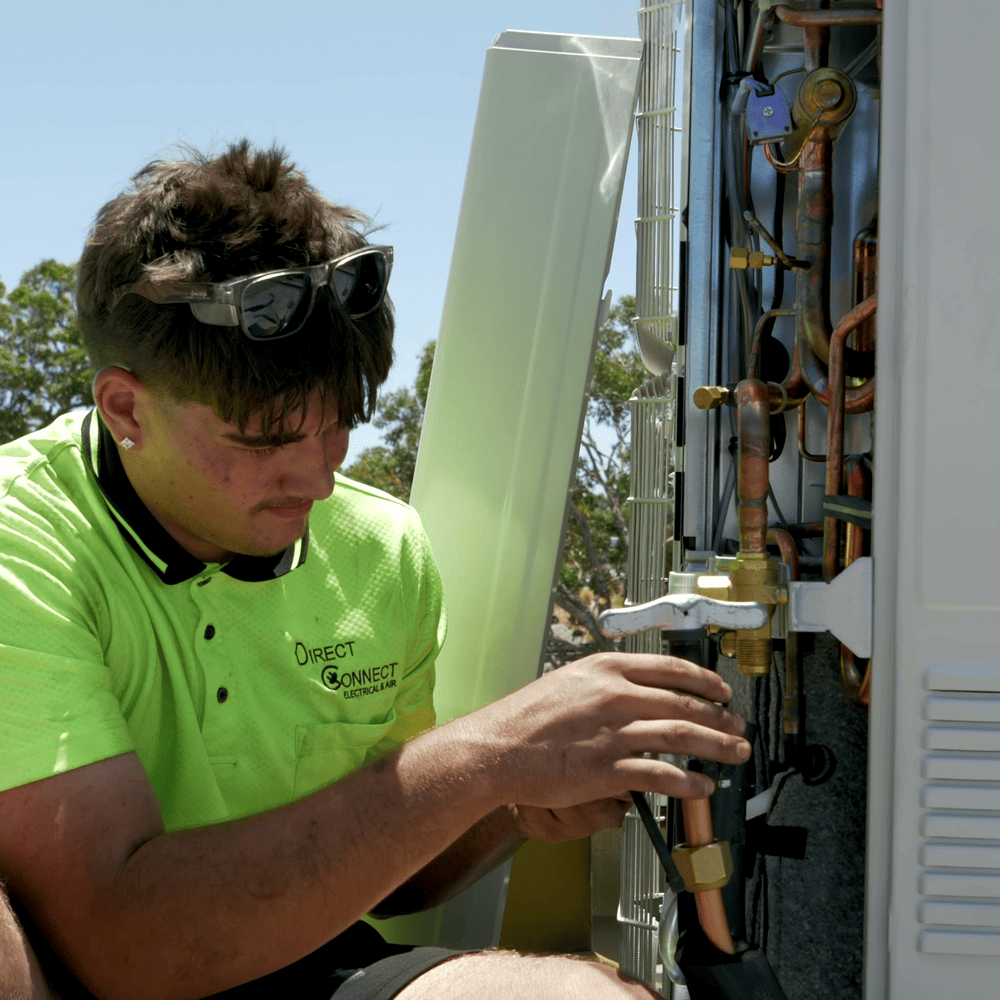
Neglecting regular maintenance causes rapid component degradation, sharp increases in energy consumption, and eventual catastrophic system failure. When a system misses its scheduled check, the first casualty is usually airflow. Dust and grease build up on condenser fins. This insulating layer forces the compressor to run hotter and longer to reject heat.
Typical degradation sequence:
- Airflow restriction across the evaporator and condenser coils starts the downward spiral.
- Discharge temperatures rise well beyond safe operating limits as the system struggles.
- Compressor oil begins to break down and loses its lubricating properties entirely.
- Internal mechanical parts score, bind, and eventually seize up completely.
The Hidden Financial Blows of Dirty Coils
Dirty coils force compressors to draw significantly more amperage, turning minor maintenance savings into massive electricity bills. Commercial electricity rates bite hard during peak usage periods. A blocked condenser forces the discharge pressure higher. High head pressure directly correlates with increased current draw at the compressor terminals.
Areas where unmaintained systems bleed money:
- A poorly running plant easily adds thirty percent to monthly power expenditures.
- Stock loss from sudden breakdowns often exceeds the annual maintenance budget overnight.
- Emergency callout fees cost significantly more than planned preventative maintenance visits.
- Replacing a seized compressor runs into the thousands for parts and labour alone.
Wear and Tear on Electrical Components
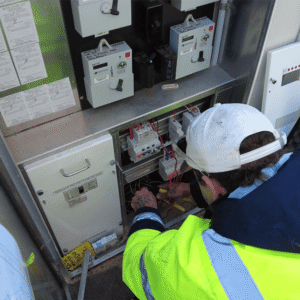
Constant cycling from poor system health degrades contactors, capacitors, and relays until they fail and shut down the plant. Mechanical wear gets all the attention while electrical degradation goes unnoticed. Short cycling happens when a system turns on and off too frequently. This constant switching arcs the points on electrical contactors.
Hidden electrical issues include:
- Pitted contactors dropping a phase and causing three-phase compressors to burn out.
- Capacitors bulging and failing to provide the necessary starting torque.
- Loose wire terminals heating up and causing localised melting or fire risks.
- Defrost timers getting stuck and allowing solid ice blocks to crush evaporator fins.
Handling Summer Loads in Western Australia
Extreme ambient temperatures demand peak system efficiency to prevent refrigeration plants from tripping on high-pressure safety switches. Summer conditions put the absolute maximum strain on outdoor condensing units. Ambient air crossing the condenser needs to absorb heat from the refrigerant. If the air is already forty degrees, the heat transfer slows down drastically.
Systems with even a minor refrigerant leak will completely fall over during a heatwave. There isn’t any point throwing money at a system only after it fails. Preventative checks keep the head pressure within safe limits. Technicians wash coils and verify fan speeds long before the January heat arrives.
That preparation stops stock from ending up in the bin. Proper commercial refrigeration maintenance ensures the plant handles the peak load effortlessly. A clean system runs cooler and easily survives the hottest weeks of the year.
Regulatory Compliance and Record Keeping
Keeping proper service logs ensures compliance with environmental regulations regarding synthetic greenhouse gas handling and leak detection. The Australian Refrigeration Council mandates strict rules around handling fluorocarbon refrigerants. Commercial operators hold a legal responsibility to prevent leaks into the atmosphere. Regular servicing logs provide proof of compliance if an inspector visits the site.
Key compliance requirements:
- Quarterly leak detection checks stand as standard practice for large commercial racks.
- Detailed logbooks must remain on site showing all refrigerant movements and repairs.
- Only licensed mechanics can legally attach gauges to a system containing regulated gas.
- Decommissioning requires proper recovery certificates to prove the gas didn’t vent.
How Often Facilities Need Professional Checks
Commercial refrigeration plants require comprehensive maintenance every three months to maintain reliability and efficiency. Some environments dictate even tighter schedules for their refrigeration assets. A bakery pumping out flour dust might need condenser cleaning every month. A clean supermarket could stretch their major checks to quarterly intervals.
Field experience shows that bi-annual servicing isn’t enough for heavy-use commercial kitchens. Grease loads up the fins too quickly in a cooking environment. Businesses that stick to a quarterly schedule generally avoid catastrophic mid-summer breakdowns.
The mechanic spots the tiny issues before they escalate. Consistent check-ups keep the equipment running within optimal parameters. Planned visits ensure the kitchen staff aren’t interrupted by emergency repairs during a busy dinner service.
Frequently Asked Questions
How does a blocked drain affect a cool room?
A blocked evaporator drain causes water to back up and freeze into a solid block. This ice stops the fan blades from turning and completely halts cooling. The room temperature rises rapidly while the compressor continues running unnecessarily.
Why do evaporator coils freeze up?
Frozen coils usually indicate a lack of airflow or a low refrigerant charge. Broken fan motors or excessively dirty fins stop heat from transferring to the refrigerant. The liquid boils at a much lower temperature and turns condensation into solid ice.
What’s the ideal temperature for a commercial freezer?
Most commercial freezers should maintain a core temperature of minus eighteen degrees Celsius. Temperatures warmer than this reduce the shelf life of stored products drastically. Keeping the setpoint unnecessarily low simply wastes electricity without providing extra safety.
Wrap-Up
The reality of commercial cooling is that the equipment never gets a rest. Day and night, these machines battle ambient heat to protect valuable inventory. Ignoring their maintenance needs simply shifts the cost from a controlled operational expense to an unpredictable emergency blowout. The smart money stays ahead of the wear and tear.