Extreme heat and constant vibration push heavy mobile machinery to the absolute limit. Fire remains a constant threat when hydraulic fluid lines run beside glowing hot exhaust manifolds.
An automatic fire suppression system snuffs out these fires early before they consume the machine entirely. It’s a highly engineered network of sensors, tanks, and nozzles designed to detect and extinguish flames without human intervention. These setups aren’t optional extras on Australian sites. They’re heavily regulated life-saving infrastructure.
Identifying High-Risk Zones on Mobile Plant
High-risk zones on mobile plant are areas where combustible fluids intersect with extreme heat sources. The compact layout of modern haul trucks clusters these ignition sources closely together. A blown high-pressure hose can spray atomised oil directly onto a hot turbocharger. The resulting fire burns extremely hot and fast.
- Turbochargers regularly operate at temperatures well above the auto-ignition point of standard hydraulic oils.
- Belly guards accumulate a thick sludge of coal dust, leaked oil, and general grime.
- Electrical cabinets present a secondary risk from arcing faults where heavy vibration compromises the wiring harnesses.
- Brake grids on diesel-electric haul trucks generate massive heat loads requiring continuous cooling to prevent a rapid thermal event.
How Detection Sensors Work in the Dirt
Detection sensors in mining work by responding to specific thermal or optical triggers while ignoring the intense background heat of normal operations. Finding the balance between false alarms and actual fire detection remains difficult. If a system trips every time a machine works hard, operators quickly lose faith. A setup that triggers late is equally useless for equipment protection.
- Loss of pressure tubing routes a pressurised pneumatic line around the engine bay to detect intense heat.
- The plastic tube melts during a fire, drops the line pressure, and mechanically opens the main discharge valves.
- Infrared flame detectors instantly spot the specific light signatures given off by hydrocarbon fires.
- Thermal spot detectors trigger when a specific area exceeds a set temperature limit to protect enclosed electrical cabinets.
The Mechanics of Agent Delivery
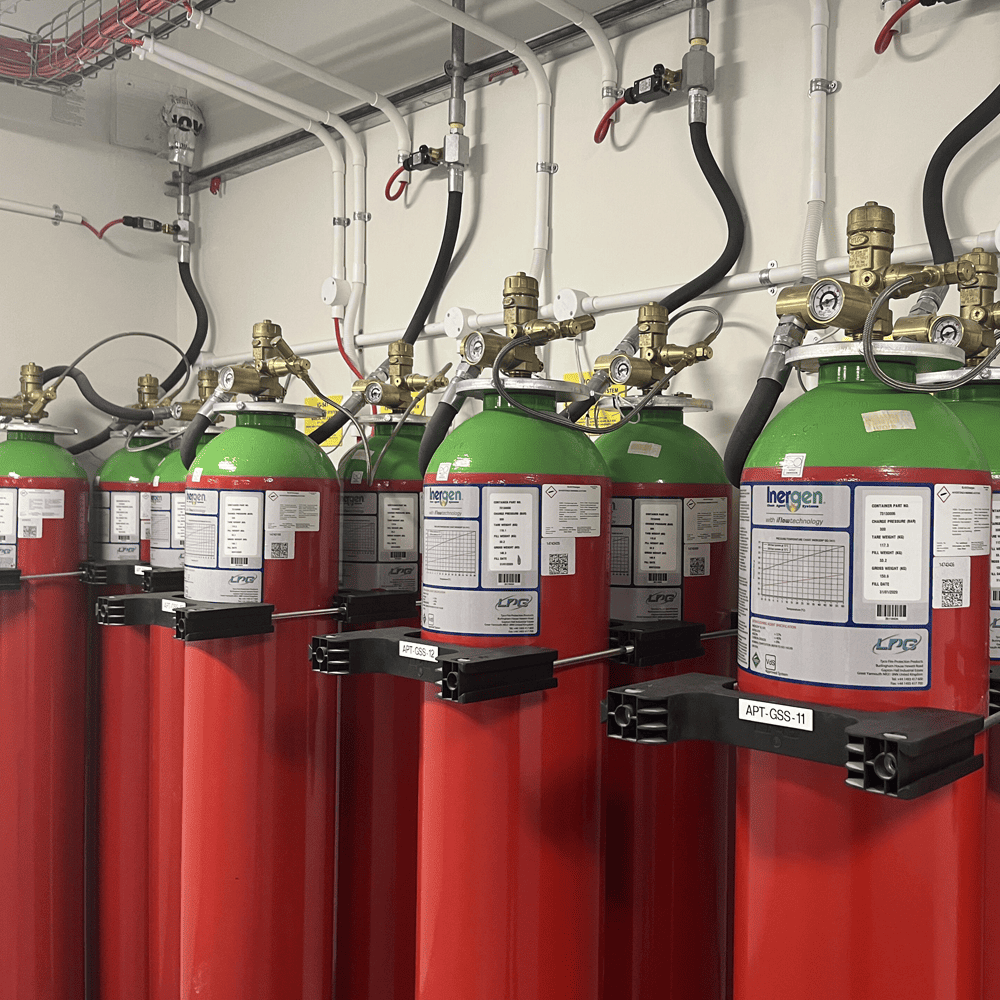
Agent delivery works by forcing a fire-killing chemical through a network of stainless steel pipes and specially calibrated nozzles aimed directly at identified hazards. Getting the nozzle angles right takes considerable field experience. A slight misalignment means the chemical misses the fire entirely. Sites typically use one of three main agent delivery methods.
- Fluorine-free foam smothers the fuel source and provides a massive cooling effect on hot metal parts.
- Dry chemical powder chemically interrupts the combustion chain reaction in the air to knock down flames instantly.
- Dual-agent setups combine the instant knockdown power of dry chemical with the long-term cooling of foam.
Protecting Fixed Plant and Infrastructure
Fixed plant fire suppression secures massive conveyor networks and motor control centres by using specialised deluge or clean agent gas systems. A conveyor belt fire is a nightmare scenario for any site manager. The rubber belt itself acts as a massive, continuous fuel source. A moving belt can carry a fire deep into an underground decline or processing plant.
Deluge systems dump massive volumes of water along specific conveyor sections when triggered. They activate via heat detection sensors spaced meticulously along the steel gantry. The sudden flood of water knocks the fire out quickly. It also soaks the surrounding ore dust to stop the fire from spreading to the main structural steelwork.
Frequently Asked Questions
How Often Do Fire Suppression Systems Need Inspecting?
Routine inspections must occur at specific intervals dictated by Australian standards and site-specific risk assessments. Daily pre-start checks are mandatory for all machine operators. Certified technicians conduct comprehensive services on a monthly, six-monthly, and annual basis. They completely tear down the major hardware every five years.
Can a Discharged System Be Refilled on Site?
Yes, most modern mining fire suppression setups are designed for rapid field servicing. Fitters swap out empty cylinders for full ones right on the heavy vehicle pad. The pipework gets flushed out thoroughly. Technicians replace the actuation cartridges before the machine works again.
What Causes a System to Accidentally Discharge?
Accidental discharges usually stem from physical damage to the pneumatic detection tubing. A rogue rock hitting the sensor wire can simulate the drop in pressure caused by a fire. Poor maintenance practices also trigger false alarms. Water ingress in the control panels sometimes shorts out the electronic triggers.
Key Takeaways
Protecting heavy mining equipment requires layered defences and incredibly heavy-duty hardware. No single piece of technology stops every fire on a mine site. The combination of heat detection, rapid actuation, and targeted agent delivery creates a reliable safety net. These mechanisms demand respect and relentless ongoing maintenance.
Site operators know that corners cut in the workshop show up as disasters in the pit. Regular servicing guarantees the pressure cylinders remain full and the nozzles stay clear of mud. The Australian mining sector relies heavily on these setups to keep operators safe. A well-maintained system represents the best insurance policy a site can have.