

Most homeowners breathe a sigh of relief when winter rolls in. The grass slows down, the mower gets a rest, and lawn maintenance seems less urgent. But here’s the catch: weeds don’t always slow down in the same way.
In fact, some thrive in cooler weather and take advantage of weaker turf. Understanding how lawn weeds behave in winter is the key to keeping your grass healthy year-round.
Why Winter Doesn’t Stop Lawn Weeds
It’s easy to assume that cold weather will knock weeds out, but many species are highly adaptable. While your lawn slows its growth, weeds often keep moving. Their biology allows them to germinate and spread even when temperatures drop. This mismatch means weeds can quietly dominate areas of your yard while grass is dormant.
Winter lawn care is about recognising this imbalance. By giving attention to your lawn now, you avoid playing catch-up in spring when weeds are already ahead of the game.
The Biology Behind Winter Weed Growth
Weeds survive because they’re opportunistic. Some produce seeds that germinate in cooler soil, while others store enough energy to keep spreading when turfgrass slows. They’re less picky about conditions, meaning shade, compacted soil, or bare patches become perfect breeding grounds in winter.
Unlike grass varieties bred for density and appearance, weeds prioritise survival. That’s why they often appear greener and stronger when your lawn looks stressed. Knowing their growth patterns helps you plan smarter lawn care strategies.
Why Weak Turf Encourages Weed Growth

Your lawn is at its most vulnerable during the cold months. Growth slows, roots don’t spread as vigorously, and recovery from damage takes longer. This weak state creates openings for weeds to establish themselves. Even a small bare patch can turn into a weed hotspot.
The best defence against weeds is a dense, healthy lawn, but winter makes that harder to achieve. This is why winter lawn care should focus on turf protection and preventive strategies.
Prevention Through Smart Lawn Care
Prevention is always better than cure, and winter is no exception. Good lawn care routines now mean fewer weeds later. A few key practices include:
- Mowing higher: Leaving grass blades slightly longer helps shade soil and block weed germination.
- Aerating compacted soil: Weeds thrive in tight, poorly drained areas. Aeration helps your lawn breathe and stay healthier.
- Avoiding scalping: Cutting grass too short in winter creates space for weeds to spread.
- Maintaining soil health: Balanced nutrients keep grass competitive, reducing space for weeds.
These small adjustments to your lawn care routine give your grass the best chance to hold its ground.
Manual Removal for Smaller Problems
Not all winter weed infestations require chemicals. Hand removal works especially well in winter because soil is softer after rain, making it easier to pull weeds up by the root.
Tools like a weeding knife or simple screwdriver are handy for deeper-rooted weeds such as dandelions. While it may be time-consuming, removing weeds manually is highly effective and keeps your lawn free from unnecessary chemical exposure.
Selective Herbicides for Larger Infestations
When weeds have already spread, selective herbicides can help. These treatments target broadleaf weeds without damaging most lawn grasses. Winter is a good application period because weeds are still actively growing, while grass is less likely to compete for nutrients.
To use herbicides effectively:
- Always match the product to your lawn type. Some grasses, like buffalo, are sensitive to common chemicals.
- Follow label directions carefully to avoid overuse.
- Apply during dry, calm weather for maximum absorption.
Herbicides are only part of the solution. They should support a lawn care routine, not replace it entirely.
Fertilising the Right Way in Winter
Fertiliser plays an important role in lawn health, but applying the wrong type in winter can backfire. High-nitrogen products feed weeds rather than grass. Instead, use a slow-release fertiliser with a balanced nutrient profile. Look for blends with higher potassium, which strengthens root systems and boosts disease resistance.
A strong root base ensures your grass is ready to bounce back when temperatures rise, limiting the space weeds can occupy.
Aeration and Topdressing: Building Resilience
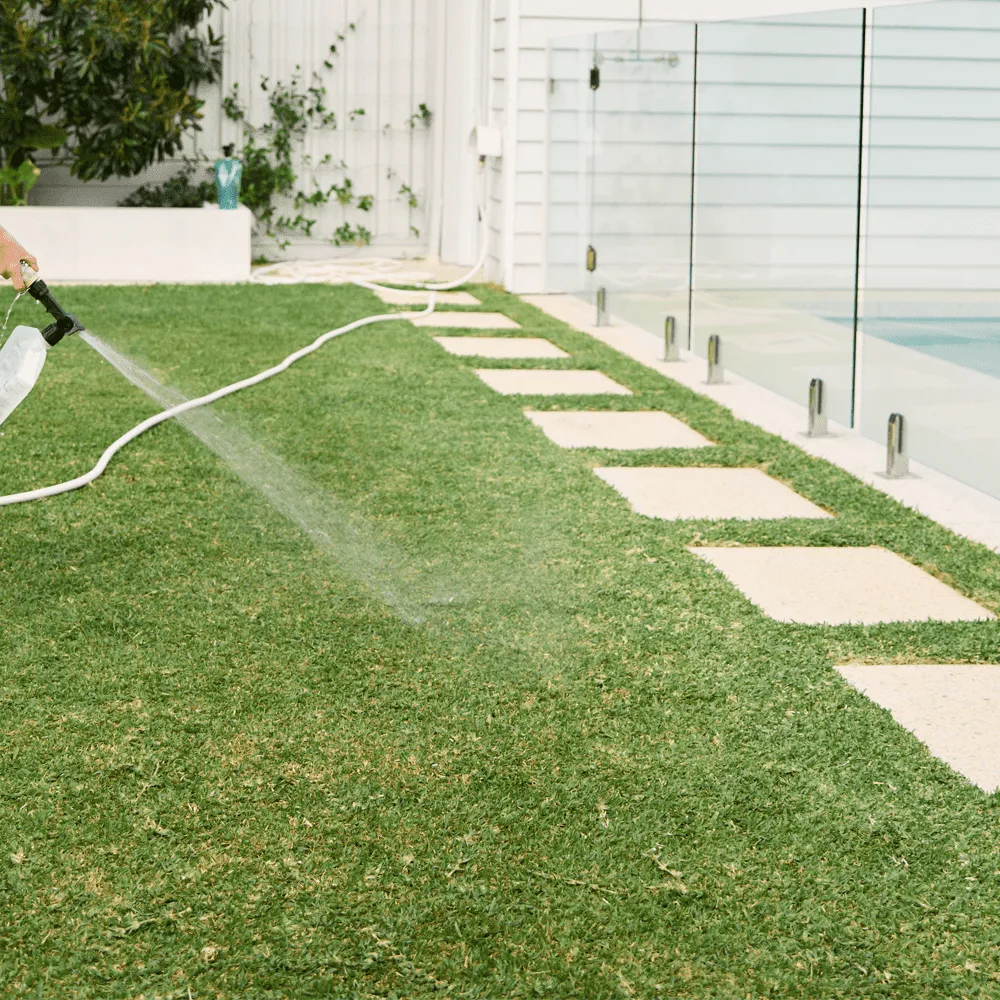
Compacted soil is a weed’s best friend. It limits grass growth while giving opportunistic weeds space to establish. Aerating your lawn in winter relieves compaction and helps water and nutrients reach the roots.
Topdressing with a thin layer of organic soil mix after aeration improves turf density and covers bare spots. Over time, this creates a lawn environment less attractive to weeds.
Building a Winter Lawn Care Routine
The best results come from consistency. A winter routine doesn’t need to be complicated. It’s about combining small, regular steps that build resilience:
- Walk the lawn weekly to check for weeds.
- Remove weeds by hand when they appear.
- Apply selective herbicides where infestations spread.
- Aerate compacted areas and lightly topdress.
- Fertilise with balanced, slow-release products.
- Keep mowing, but leave grass slightly longer.
- Maintain edges and borders to stop weed entry.
This type of routine takes minimal effort but prevents weeds from taking over when your lawn is weakest.
Final Thoughts
Weeds thrive in winter because they exploit the weakness of turfgrass. While your lawn rests, they seize the opportunity to spread. With smart lawn care strategies—ranging from manual removal to selective herbicides—you can stop weeds before they dominate.
Staying proactive during winter means less frustration, fewer chemicals, and a stronger, greener lawn when spring arrives. The secret isn’t to wait for weeds to disappear, but to manage your lawn so they never take hold in the first place.