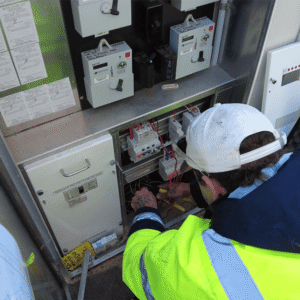

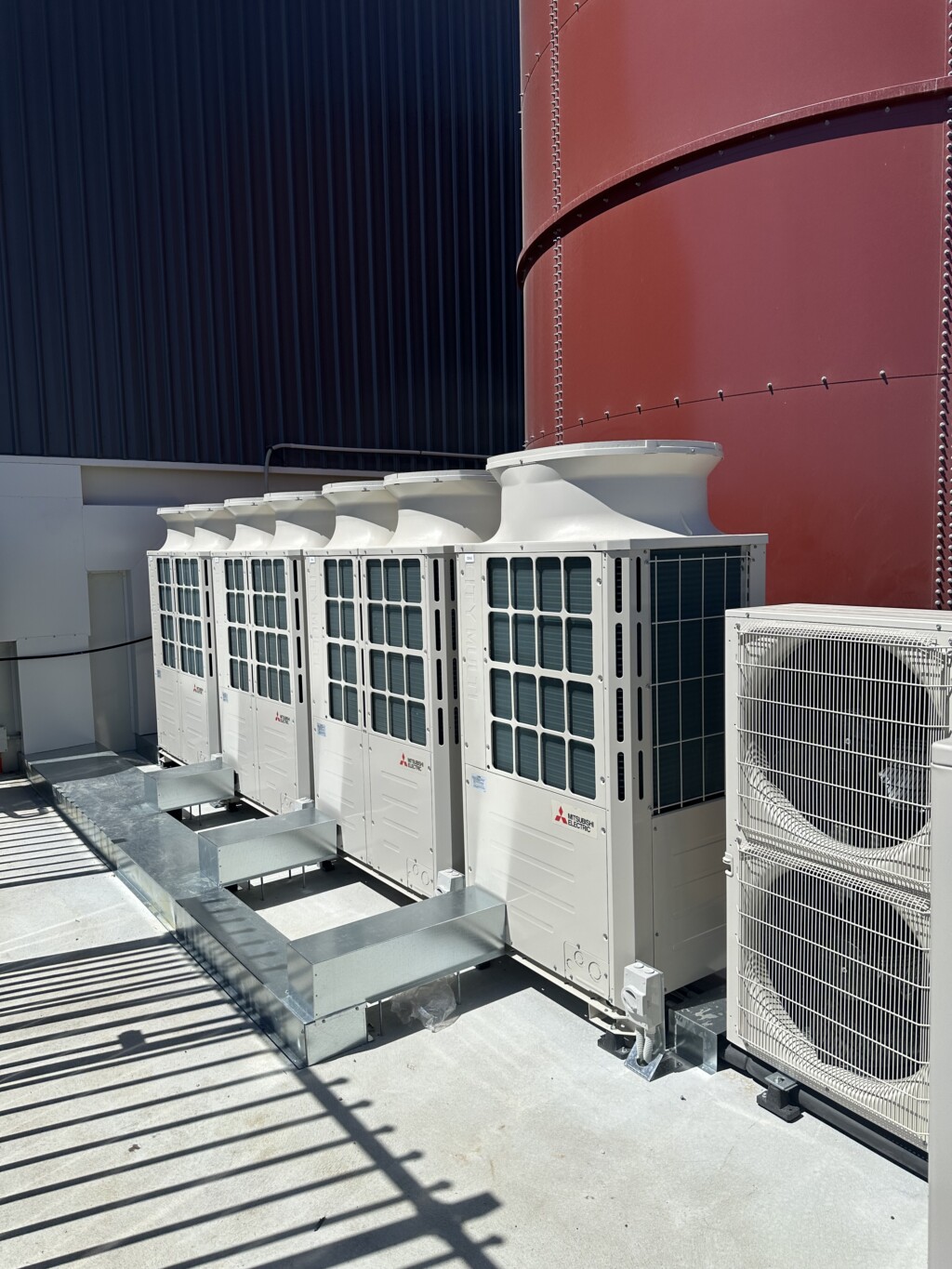
A building automation upgrade often lives or dies by its electrical integration. Striking a high environmental rating means an HVAC controls and switchboard setup must actively throttle energy usage.
Green Star certification represents a voluntary sustainability rating system in Australia that evaluates the environmental design, construction, and operation of buildings. Striking a 5-star or 6-star rating requires absolute precision in mechanical electrical design.
The Reality of Building Tuning and Commissioning
Hitting strict environmental targets requires an initial twelve-month tuning period where technical teams constantly adjust setpoints to match actual thermal loads. A newly installed HVAC controls and switchboard package rarely performs perfectly on day one. Operations teams spend the first year massaging the system. They map out the actual occupancy patterns against the mechanical layout.
- Setpoints need a gradual drift approach to stop compressor short-cycling.
- Return air sensors often require physical relocation once fit-out partitions go up and alter airflow paths.
- Static pressure setpoints in ductwork need trimming to reduce fan motor energy draw across variable speed drives.
These adjustments prevent equipment from copping a hammering during shoulder seasons.
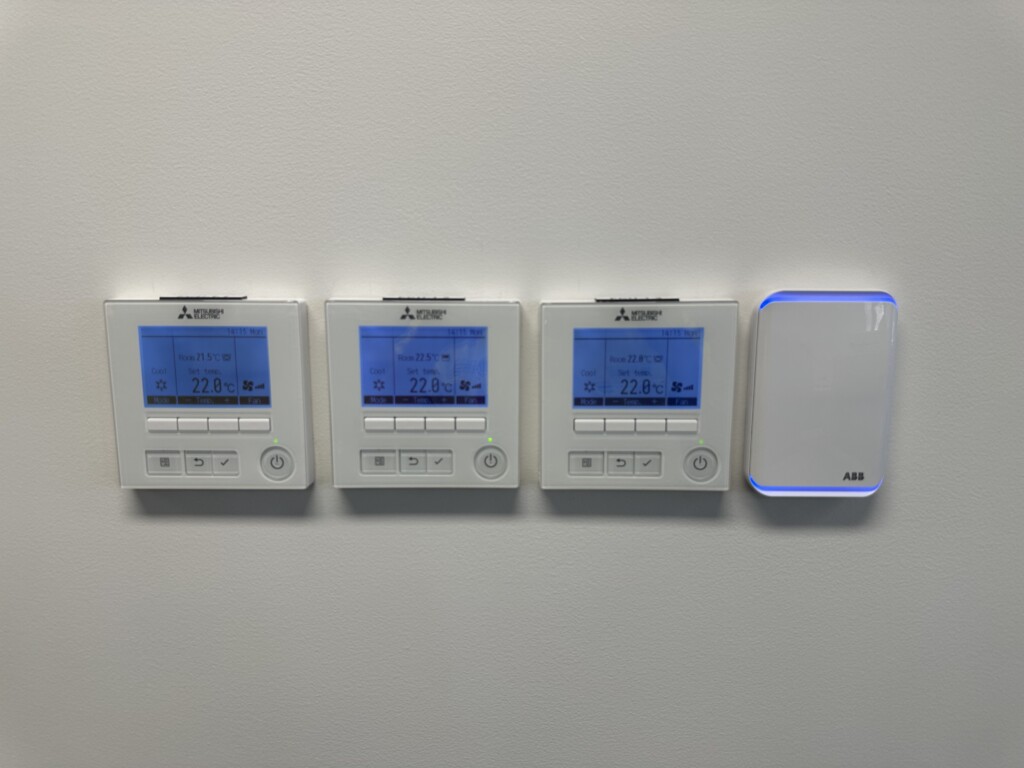
Managing Peak Demand Through Smart Sequencing
Peak demand management works by automatically staging mechanical equipment start-ups to prevent massive power spikes across the grid. Starting every chiller and air handling unit simultaneously trips circuit breakers when a large commercial site powers up after a weekend. It also guarantees massive utility demand charges. Programmers configure the building management system to stagger these loads.
The lead chiller receives priority while secondary pumps remain offline until the primary loop stabilises. This staggered approach keeps the maximum electrical demand well below penalty thresholds. Advanced setups even pre-cool the building structure during off-peak night tariffs. The system coasts along on minimal power when the morning heat load hits.
Mechanical Switchboard Design for High-Efficiency Assets
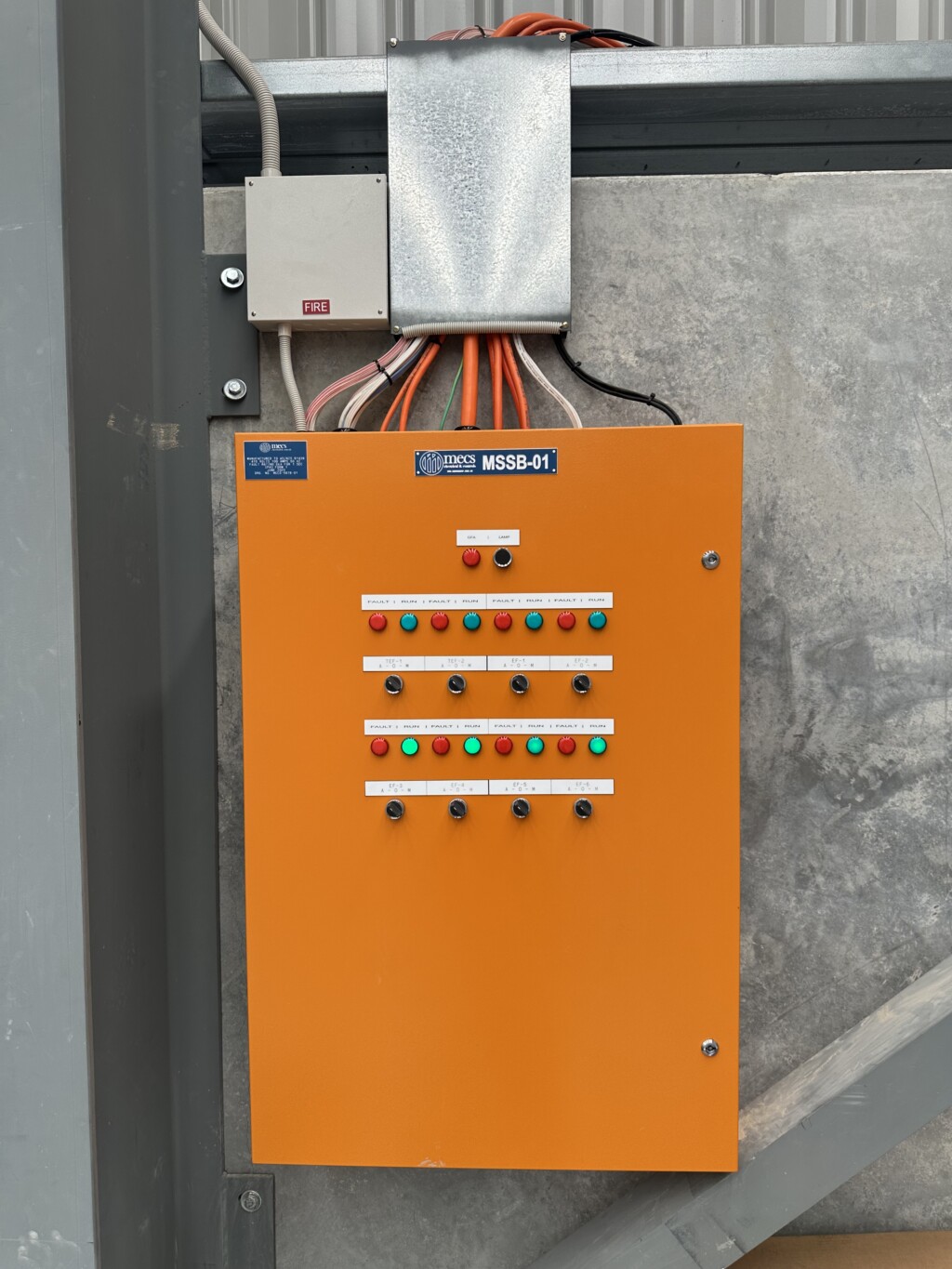
Modern environmental standards force designers to build mechanical switchboards with separated active and inactive power metering sections to track distinct asset classes. A standard board just sends power everywhere without tracking where the amps actually go. High-efficiency ratings require operators to isolate lighting, mechanical, and general power loads. This segregation lets energy assessors prove the site meets its design modelling.
- Chassis setups now regularly incorporate split busbars to separate base-building loads from tenant-specific mechanical draw.
- Active harmonic filters clean up the power distortion caused by dozens of variable speed drives.
- Thermal imaging windows get fitted to the switchboard doors to allow routine maintenance without isolating the entire plant.
These hardware inclusions prevent major downtime when technicians perform statutory annual testing.
Integrating Third-Party Systems Without Protocol Clashes
Smoothly linking diverse equipment requires native BACnet IP communication across the entire mechanical network. Many projects fall over when the chiller plant speaks one language and the zone controllers speak another. Gateways often introduce latency and drop data packets when passing information between competing protocols. Site integrators prefer native communication cards on all major plant items.
Getting an HVAC controls and switchboard system to talk directly to lighting and security panels takes serious integration work. The common line in the trade is that proprietary protocols only exist to trap building owners into expensive maintenance contracts. Mandating open protocols ensures long-term operational flexibility. Any competent technician can log in and read the unencrypted data points.
Lifecycle Maintenance and Ongoing Sensor Calibration
Maintaining peak energy ratings depends on a strict schedule of recalibrating temperature and carbon dioxide sensors every six months. A drifting temperature sensor forces a perfectly good air handler to run unnecessarily for hours. Operations teams can’t just install the gear and walk away. Dust buildup on return air sensors skews the readings quite badly.
- Carbon dioxide sensors in high-density meeting rooms need regular zeroing to prevent the outside air dampers from staying wide open.
- Chilled water flow meters require ultrasonic verification to ensure the energy consumption totals remain accurate for annual reporting.
- Motorised damper actuators on the main air handling units need physical stroke tests to verify they close fully.
Poor data leads to terrible mechanical decisions by the central processor.
Frequently Asked Questions
How Often Should Calibration Occur on Mechanical Sensors?
Operators should recalibrate temperature and humidity sensors every six to twelve months in commercial environments. High-traffic areas naturally cause sensor drift due to dust accumulation and minor physical impacts. Regular checks stop the automation system from responding to inaccurate environmental data.
Why Do High-Efficiency Buildings Need Split Busbars?
Split busbars allow electricians to separate the main power feeds for base-building plant and tenant-specific equipment. This physical separation makes it incredibly simple to install dedicated energy meters for different operational zones. Energy raters rely on this hard segregation to confirm the site meets its environmental design targets.
Can Legacy Systems Integrate with Modern Protocols?
Older equipment connects to modern networks using dedicated communication gateways or protocol converters. Technicians install these intermediate devices to translate obsolete data formats into standard BACnet or Modbus signals. This practical step saves owners from replacing expensive heavy machinery just to read performance data on a central screen.
Wrap-Up
Building a highly efficient mechanical system involves far more than just buying top-tier chillers and fans. The underlying electrical infrastructure dictates how well that equipment actually performs in the real world. A poorly programmed automation system ruins the efficiency of the best mechanical hardware on the market. Precise control sequences protect the asset lifespan while driving down daily power consumption.