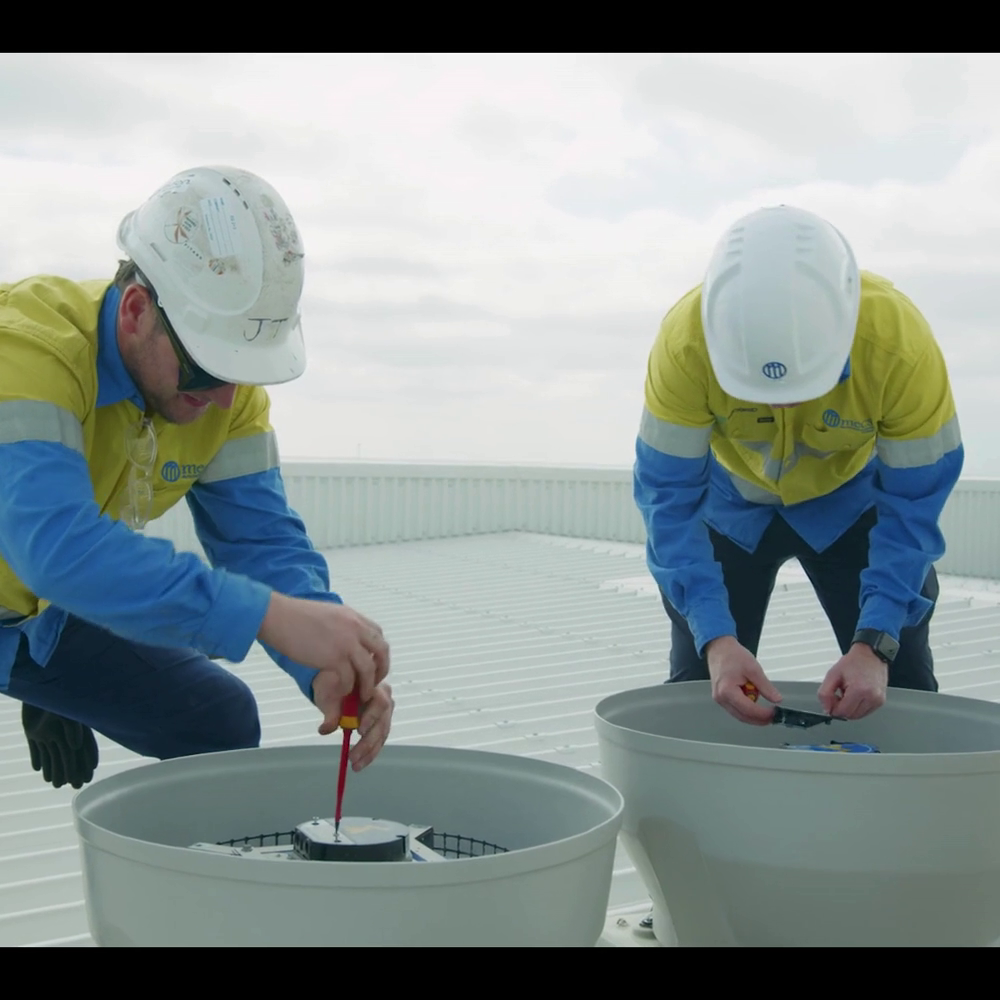
Running the same scope across two or more sites is one of those jobs that looks manageable on paper. The drawings are similar, the spec’s the same, the crew knows what they’re doing. But field experience tells a different story. Small differences between sites compound quickly, and what starts as a minor variation at one location can affect the standard delivered at the next.
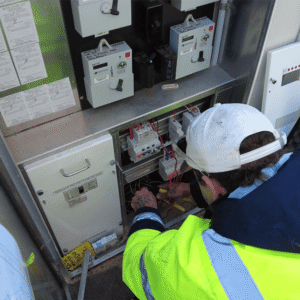
Mechanical electrical and controls wiring jobs are a good example of where multi-site complexity shows up early. The wiring has to be right at both locations before anything else in the controls scope can progress. A shortcut at one site doesn’t stay contained. It flows through into commissioning, and then it becomes someone else’s problem to untangle.
Why the Same Scope Doesn’t Mean the Same Job
Running identical scopes across two sites produces different site conditions more often than not. Building age, existing infrastructure, physical layout, and access constraints vary between locations. Even when the drawings match, what’s actually in the ceiling or behind the wall panel rarely does.
The variables that create divergence between sites:
- Existing cable routes that don’t match the drawings at one location but do at another
- Structural differences that change where panels and equipment can be mounted
- Different site contacts and access arrangements affecting how work gets sequenced
- Ceiling heights, plant room sizes, and service corridor widths that vary despite similar building types
- Local conditions like dust, temperature, or humidity affecting material handling on site
These differences don’t automatically create problems. Experienced site crews adapt. But adaptation needs to be documented and communicated so the same call gets made consistently. When it isn’t, the standard starts drifting between locations without anyone noticing until it’s too late to fix cleanly.
How Work Gets Sequenced Across Two Sites
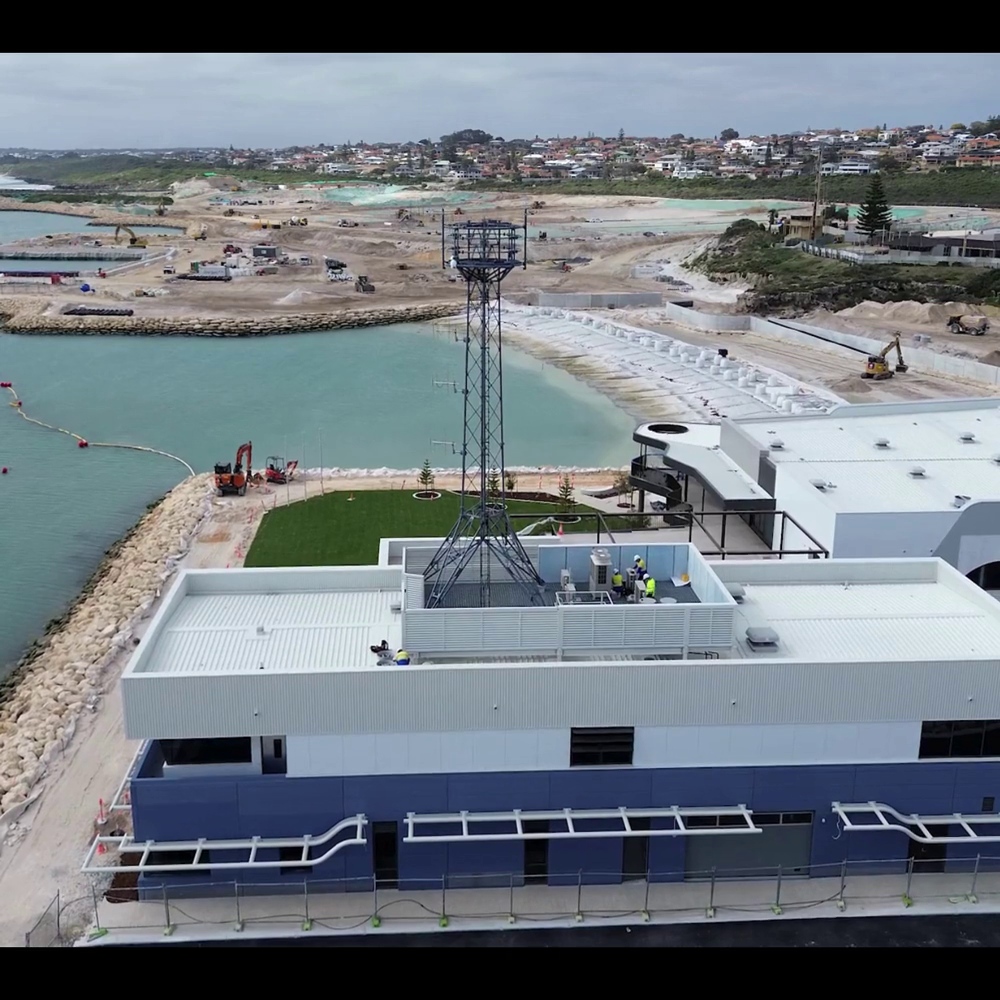
Sequencing work across multiple sites requires a clear plan for how crews and materials move between locations. The common mistake is treating each site as its own independent job. That works fine until a delay at one location creates a resourcing gap at the other. It also falls apart when commissioning reveals the two installations don’t match.
Sequencing decisions that affect multi-site delivery:
- Completing the mechanical electrical and controls wiring at both sites before moving to panel installation keeps the scope clean
- Keeping the same crew across both sites, rather than splitting teams, maintains installation consistency
- Scheduling inspections and hold points to cover both locations in the same visit reduces downtime
- Staging materials centrally and distributing to sites as needed avoids duplication and shortages
- Building float into the programme at each site accounts for travel and handover time between locations
The float point is one that gets underestimated on most multi-site jobs. Travel between sites eats into productive time, and that loss compounds across a project. A crew that’s short on time starts making decisions on the fly rather than following the sequence. That’s when consistency starts to slip.
Holding the Installation Standard When the Crew Is Split
Maintaining installation quality across multiple sites gets harder when the team is divided between locations. The person making judgement calls at site A isn’t the same one making them at site B. Without a shared reference for what the standard looks like, small variations start appearing in the work.
Practical ways experienced teams hold the standard across sites:
- Completing a reference installation at the first site before splitting the crew, so both teams have seen what good looks like
- Using photographic records from site one as a benchmark for site two
- Running the same hold-point inspection process at both locations, not just the one that’s easier to access
- Briefing the full crew together before work starts, rather than separately at each site
The reference installation approach is more useful than it sounds. When a question comes up about how something should be terminated, a completed example nearby settles it quickly. Without that reference, the answer defaults to whatever the individual installer thinks looks right. That variation accumulates.
Frequently Asked Questions
Why Do Multi-Site Projects Take More Coordination Than Single-Site Jobs?
Multi-site projects require managing logistics, sequencing, and documentation across two or more locations at the same time. The coordination overhead is real even when the scope is identical at each site. Travel time, access management, and keeping both installations progressing at a consistent pace add complexity that doesn’t exist on single-site work.
How Do Controls Contractors Manage Consistency Across Sites?
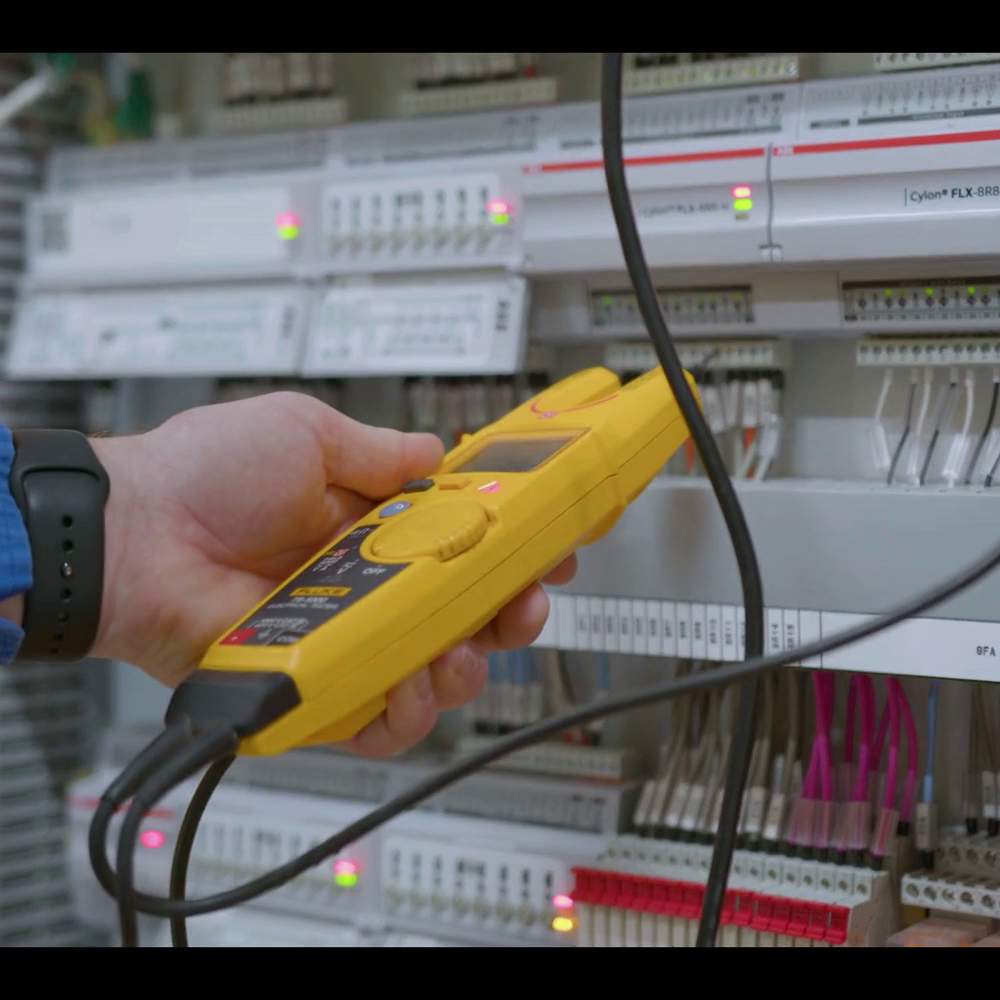
The common approach is to complete a reference installation at the first site before splitting resources. Detailed wiring schedules, photographic benchmarks, and shared briefings help keep the standard consistent between locations. Separate commissioning records for each site allow issues to be traced and resolved without ambiguity.
What Causes Quality Drift Between Sites on Multi-Site Projects?
Quality drift usually comes from inconsistent decision-making when crews are working independently across locations. Without a shared reference or a clear process for documenting site-specific variations, small differences in installation approach compound over time. The drift typically shows up during commissioning rather than during the installation phase.
Final Thoughts
Multi-site delivery is one of those scopes where the difficulty isn’t always obvious from the outside. The job looks like the same work done twice. In practice, it’s the same work done twice with different site conditions, split resources, and the constant risk of the standard drifting between locations.
The teams that handle it well sequence the work so both sites progress together, document by site rather than by project, and treat each commissioning as an independent test. That discipline is what separates a consistently delivered job from one where site two quietly copped the consequences of shortcuts made at site one.