
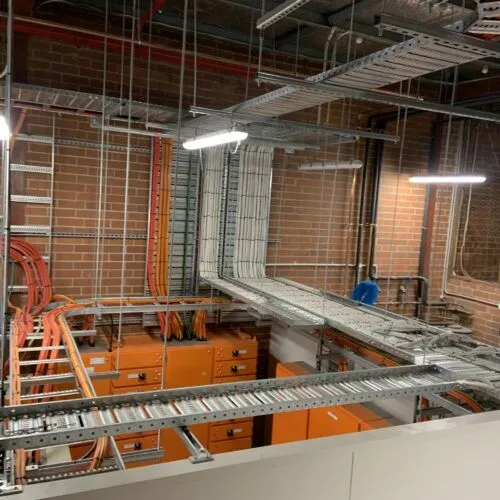
Keeping a retail store open, safe, and compliant relies on a lot more than tidy merchandising and well-timed promotions. At the heart of every dependable site is an electrical switchboard that routes power to lighting, refrigeration, HVAC, point of sale, security, and back-of-house equipment.
When that board is outdated or overloaded, the risks are real. This is why a professional switchboard replacement, often delivered as a planned switchboard refresh, is essential for uninterrupted operations and long-term asset protection.
What a Switchboard Actually Does in a Retail Environment
Before deciding on repairs or replacement, it helps to understand the job your board performs. The switchboard is the central hub that distributes electricity safely through circuits, protective devices, and metering. In retail sites, that means stable power for chillers and freezers, consistent lighting levels for customer comfort, clean supply for POS terminals, and controlled feeds for exhaust and air conditioning.
When a switchboard is in good condition and properly specified, it reduces nuisance trips, keeps equipment within manufacturer tolerances, and ensures protective devices operate as intended. When it is not, small issues quickly become business-critical.
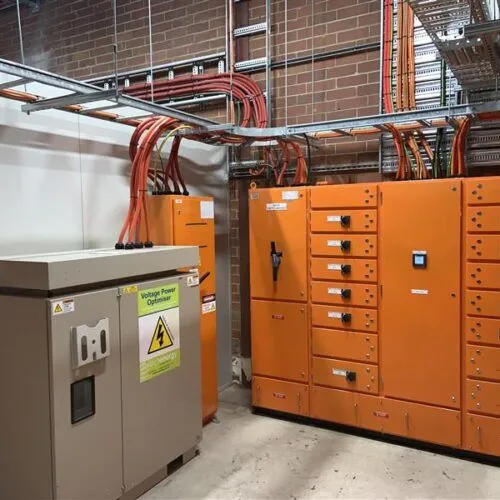
Clear Signs You Need Replacement, Not Just Repairs
Minor faults can be fixed, but repeated problems often signal a board is at the end of its practical life. Look for the following patterns that point to a professional switchboard replacement rather than piecemeal service work.
- Frequent breaker trips under normal load
- Warm hotspots or discolouration near busbars or breakers
- Ageing ceramic fuses or mixed legacy protection that complicates maintenance
- Insufficient spare capacity for new refrigeration, EV chargers, or store upgrades
- Non-compliant labelling, poor cable management, or missing test documentation
- Water or dust ingress, especially in service corridors and loading docks
- Evidence of DIY alterations that void warranties or breach Australian Standards
If two or more of these appear, a planned switchboard refresh becomes the smarter path.
Planning a Live-Store Upgrade Without Lost Trading Hours
Good planning is the difference between a smooth changeover and a weekend of emergency callouts. Professional contractors will map the entire process in advance, share it with store leadership, and coordinate with centre management and other trades.
A robust plan usually covers:
- Discovery and audit. Load logging across weekdays and weekends, identification of critical circuits, and verification of spare capacity for future equipment.
- Design and approvals. Board layout, busbar sizing, fault rating, discrimination studies, and any required permits or centre approvals.
- Staging and temporary power. Generation or temporary boards to hold refrigeration and POS while sections are cut over. Clear isolation points and lockout procedures.
- After-hours execution. Night works that avoid customer impact, followed by morning testing so the store opens on time.
- Commissioning and documentation. RCD tests, insulation resistance, earth continuity, and updated single-line diagrams lodged with the site’s asset records.
What a Professional Switchboard Refresh Typically Includes
A switchboard refresh is more than a cosmetic panel swap. It is a structured upgrade that brings the installation up to current standards and prepares it for growth.
- Replacement of the main switchboard (MSB) or distribution boards with modern, modular assemblies
- New main isolator, metering, and surge protective devices
- Type-tested circuit breakers with coordinated curves for selective tripping
- RCD protection aligned to current regulations and store risk profile
- Clean cable management, ferruling, and durable labelling for every circuit
- Segregation for refrigeration, HVAC, and general power so maintenance is safer
- Updated single-line diagrams and digital copies for quick fault finding
- Thermal scanning baseline post-commissioning to validate connections
This approach turns a one-time upgrade into a long-term risk reduction program, which is exactly what a professional switchboard replacement should achieve.
Minimising Downtime with Smart Sequencing
Every hour of downtime costs revenue and customer goodwill. Professional teams sequence work to protect trading:
- Cold-chain priority. Refrigeration is moved to temporary supply first, monitored continuously, and migrated back only after final tests pass.
- POS continuity. Register lanes, EFTPOS, and back-office servers remain powered during switchover or are cut over in small groups with on-site support.
- Lighting zones. Sales-floor lighting changeovers are scheduled for after closing, with emergency lighting verified before reopening.
- Progressive commissioning. Circuits return to service in controlled blocks, each signed off with test results.
Integration With Building Systems and Site Controls
A store’s electrical infrastructure rarely stands alone. The new switchboard must align with fire systems, BMS or EMS platforms, refrigeration controls, and after-hours security.
Professional contractors coordinate:
- Fire indicator panel supplies and required interlocks
- BMS points for energy reporting and load shedding
- Dedicated feeds and protection for bakery ovens, delis, and cold rooms
- Generator changeover gear if the site has standby power
- Metering that supports landlord and tenant split billing where required
That integration keeps compliance intact and improves the quality of operational data.
Risk, Liability, and Insurance Considerations
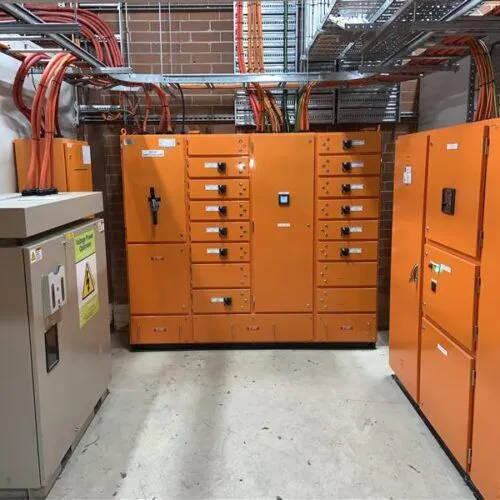
Electrical failures can lead to stock loss, safety incidents, and claims. A professional switchboard replacement reduces liability by delivering:
- Traceable materials and device serials for warranty support
- Certified test results and commissioning records
- Clear maintenance schedules tied to the new board’s components
- Documented compliance with applicable standards and landlord requirements
Insurers look favourably on documented electrical upgrades that materially reduce risk.
The Bottom Line
Electrical reliability is business reliability. A professional switchboard replacement removes a major source of risk, protects compliance, and keeps trading steady through peak periods. By choosing a qualified contractor and opting for a planned switchboard refresh, store leaders can secure safer operations, cleaner documentation, and capacity for future growth without sacrificing a single trading day.