Most homeowners delay their turf maintenance until late September. Turf specialists know this approach guarantees severe damage across residential properties. Ignoring winter lawn care allows the weed seed bank to activate early. The weed seed bank simply refers to the thousands of dormant seeds resting just below the soil surface.
Once soil warms slightly, these dormant seeds sprout rapidly. These invasive plants aggressively dismantle the existing grass structure. Waiting for warm weather to apply herbicides ensures the primary grass takes a beating. The turf suffers heavily during its most vulnerable transition phase.
The Hidden Mechanics of Early Spring Germination
Early spring germination occurs when soil temperatures hit twelve degrees Celsius, triggering dormant summer weed seeds to sprout before the turf wakes up. Turf operators reckon this head start gives invasive plants a massive tactical advantage. By the time surface leaves appear, a massive root network already exists underground.
- Summer grass varieties use this specific temperature trigger to establish roots quickly before couch begins growing.
- Winter weeds like bindii have already germinated back in autumn and are fully established by August.
- Clover spreads aggressively during this transitional window while the primary grass remains completely dormant.
Soil temperatures dictate everything in turf management. The surface might feel cold, but the microscopic soil layer warms up rapidly on sunny August afternoons. This microclimate provides the exact trigger summer weeds need to launch their initial growth phase.
Resource Theft Below the Surface
Spring weeds damage lawns by extracting nitrogen and moisture from the soil profile at triple the rate of standard turf varieties. They possess aggressive physiological traits that make them superior scavengers. When temperatures rise, these intruders consume all available resources before the grass can metabolise them.
- Their deep taproots bypass the upper soil layer to hoard deep moisture reserves during dry spells.
- Highly fibrous root systems lock up applied nitrogen and prevent it from reaching the turf.
- Aggressive transpiration rates pull water out of the soil faster than standard irrigation can replace it.
Many commercial products combine a pre-emergent herbicide with a slow-release winter fertiliser in a single granule. This dual approach feeds the dormant turf while simultaneously establishing the vital chemical weed barrier. Applying straight nitrogen without a pre-emergent just feeds the weeds. The lawn starves while the invasive species thrive and multiply.
Canopy Crowding and Photosynthetic Starvation
Weeds cause photosynthetic starvation by rapidly deploying massive leaves that physically block sunlight from reaching the lower turf canopy. This shading effect completely stops the grass from producing the energy required for basic survival. Without adequate sunlight, the turf simply suffocates and rots.
- Large flat leaves act like solar panels that monopolise all available ultraviolet light.
- Vertical weed structures create dense micro-shadows that cool the soil and inhibit grass growth.
- Creeping weed varieties mat over the top of the grass and physically press it into the dirt.
Plants like capeweed can easily span thirty centimetres across. A single plant creates a massive dead zone directly beneath it. The grass underneath turns white and rots away within just a few weeks. Once the weed eventually dies, it leaves behind a massive patch of bare dirt.
Chemical Warfare Through Allelopathy
Allelopathy involves weeds actively secreting toxic biochemicals into the surrounding soil to poison and stunt competing turf grasses. It’s a literal form of chemical warfare happening just below the soil surface. These exudates inhibit seed germination and heavily damage the root tips of established grass.
Some weed species act incredibly hostile toward their neighbours. They release specific enzymes that break down the cellular walls of nearby grass roots. The grass roots shrivel up and lose their ability to absorb water. The turf industry observes this frequently with certain aggressive ryegrass variants.
These chemical secretions also obliterate beneficial soil microbes. Turf relies on healthy microbial activity to naturally break down organic matter and deliver base nutrients. When weeds wipe out these microbes, the soil becomes highly toxic to the desired turf species.
Soil Compaction and Structural Deterioration
Invasive weed species damage soil structure by promoting severe compaction and altering the natural drainage pathways of the lawn. Their bizarre root shapes push soil particles tightly together, destroying the microscopic air pockets that turf roots need to breathe. The soil quickly turns into a dense, impenetrable brick.
When soil compaction hits extreme levels, the primary turf starts to panic. The roots of couch and buffalo grass can’t penetrate hard dirt. They stay near the surface and become highly susceptible to heat stress. Shallow root systems dry out incredibly fast during hot summer afternoons.
Frequently Asked Questions
Why Do Broadleaf Weeds Grow Faster Than Normal Grass in Spring?
Broadleaf weeds possess genetic adaptations that allow them to process sunlight and nutrients at lower temperatures. They break dormancy weeks before traditional warm-season turf grasses wake up. This physiological head start allows them to dominate the soil profile early.
Can Late Spring Weed Spraying Permanently Damage the Lawn?
Applying high concentrations of selective herbicides during active spring growth severely stresses the turf. The grass absorbs some of the toxic load and redirects its energy toward internal repair. This chemical stress can stunt the root system for the entire summer season.
Does Mowing over Spring Weeds Help Control Their Spread?
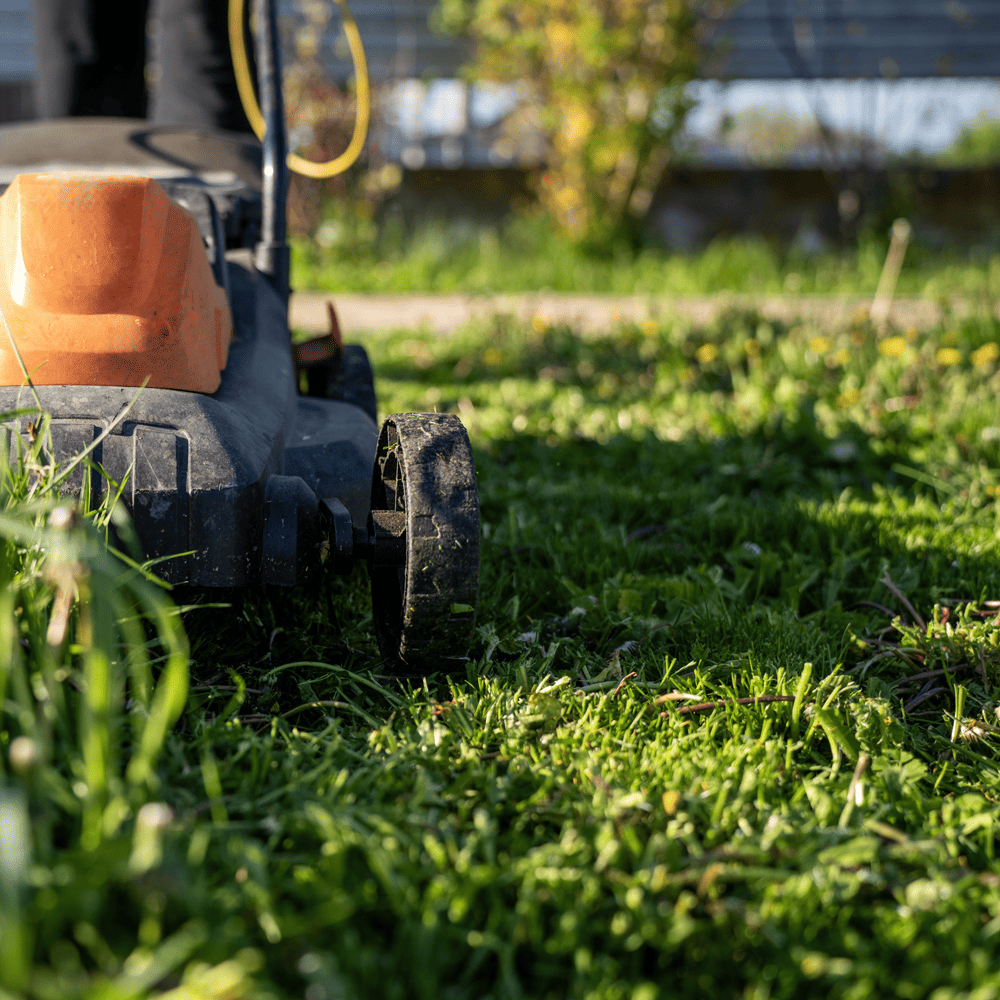
Mowing mature weeds often makes the problem significantly worse by dispersing thousands of seeds across the lawn. The mower blades chop up creeping varieties and scatter viable plant fragments into healthy turf zones. This mechanical spreading guarantees a heavier weed burden the following year.
Wrap-Up
Letting weeds run rampant until September guarantees a compromised turf structure. The invasive plants steal water, block vital sunlight, and physically crush the desired grass. Fixing this late-stage damage requires intensive aeration, massive chemical loads, and costly top-dressing.