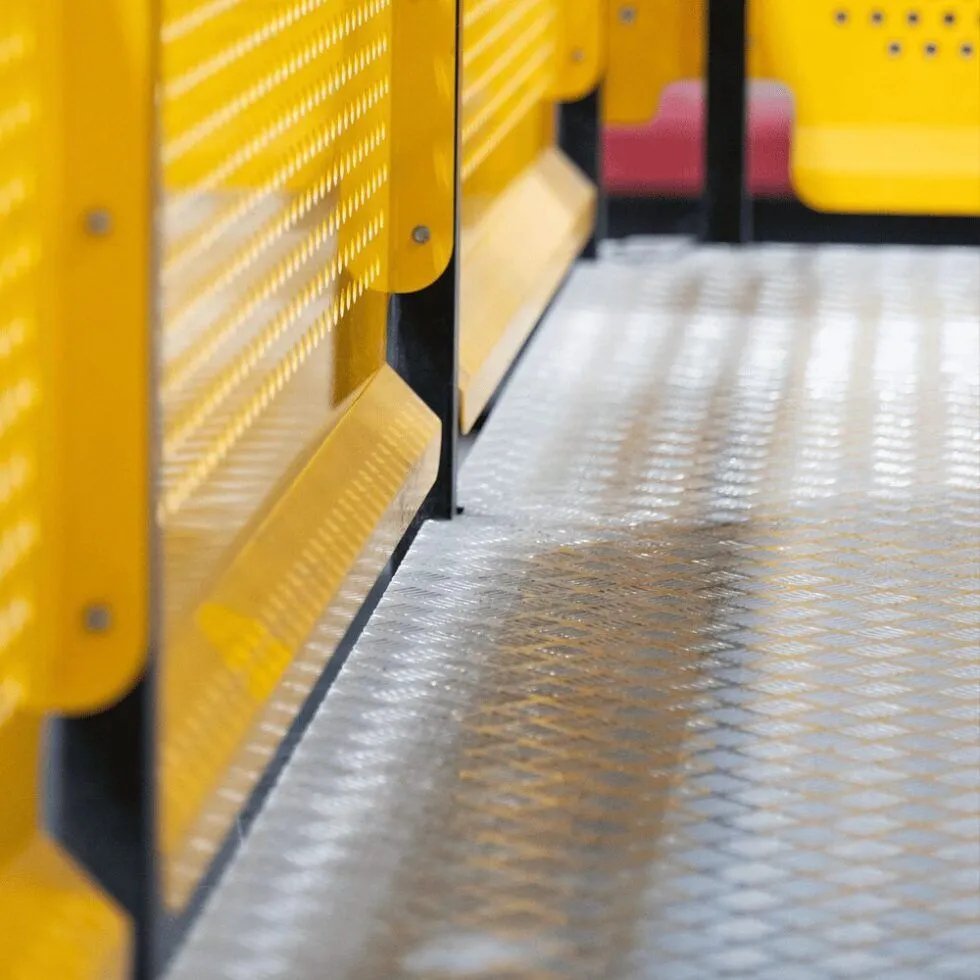
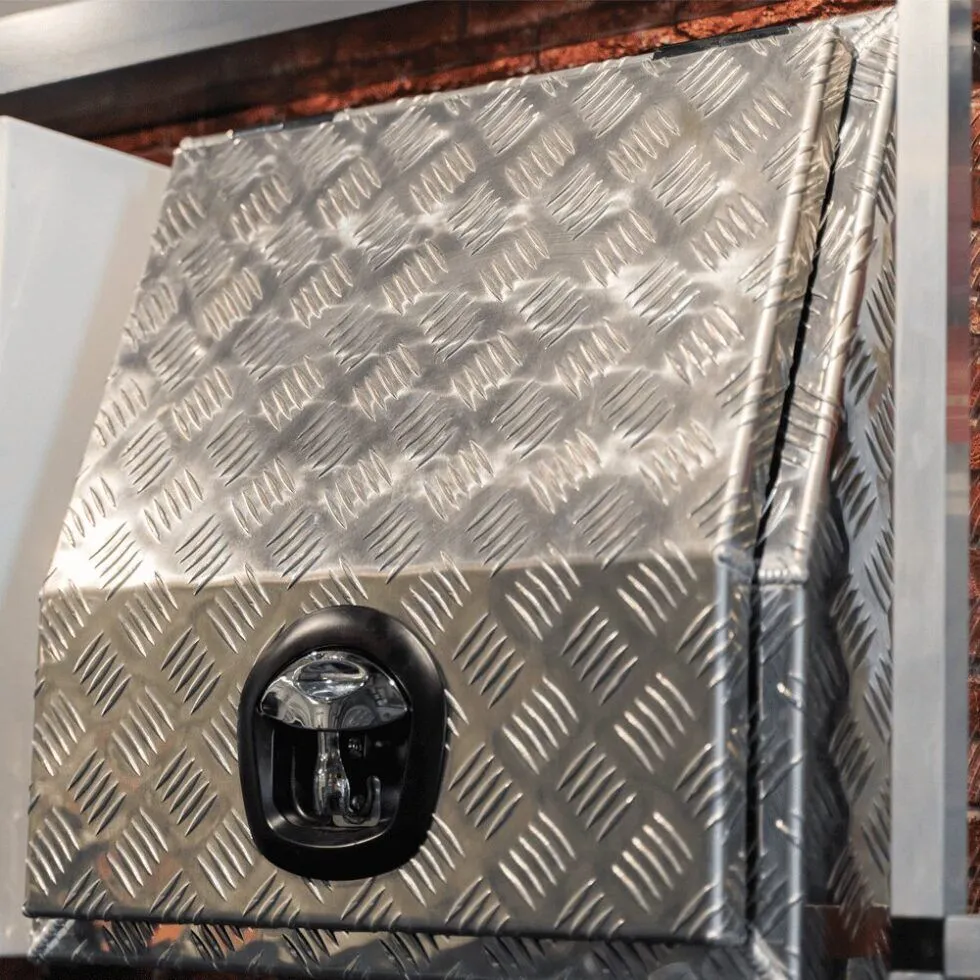
Aluminium tread plate is the secret weapon of many DIYers. It is light to carry, easy to cut, and tough enough to handle scrapes, spills, and daily wear. If you have only used plywood and pine for projects, adding aluminium tread plate to your kit opens up new builds that last longer outdoors and take knocks indoors.
Planning Your Build The Smart Way
Good DIY projects begin with a simple plan. A few minutes up front saves hours later.
- Decide where texture helps. Put aluminium tread plate where impact or grip matters. Use a smooth aluminium sheet where you need a flat, clean face.
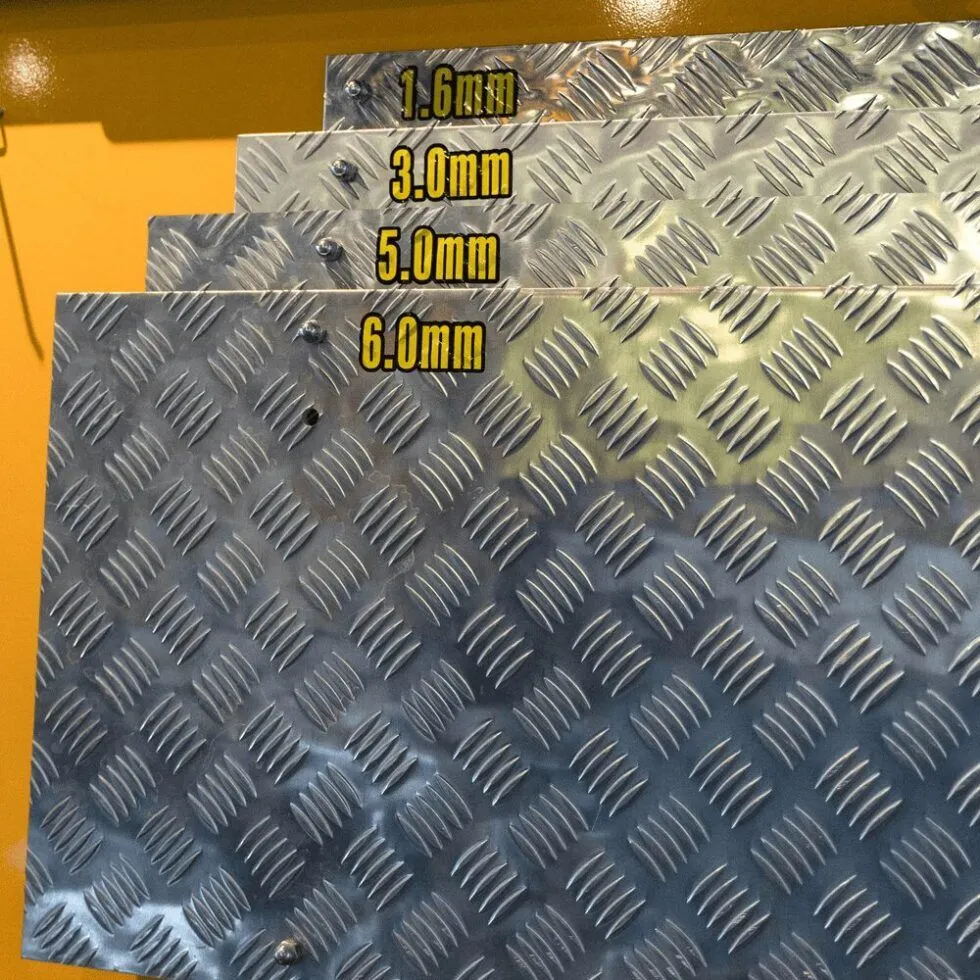
- Choose thickness by load. Light trims and door kickers suit 1.6 to 2.0 mm. Steps, ramps, and trailer floors often need 2.5 to 3.0 mm. Heavy loads can need 4.0 mm or more.
- Map fixings. Adhesive works for wall skins and trims, but steps, floors, and corners need screws or rivets as well.
- Match alloys. If you are mixing a tread plate with an aluminium flat sheet, try to use the same alloy family for predictable bending and finishing.
- Pre-finish parts. Deburr, clean, and test fit each piece before final installation.
Indoors: Easy Wins That Look Good And Wear Well
Aluminium tread plates can lift a room without turning it into a workshop. Use texture only where it helps, and keep the rest smooth.
Kitchen and pantry
- Kick plates on cabinet doors to stop scuffs from shoes and stools. Cut strips of aluminium tread plate and fix with countersunk screws. Match the pattern direction for a consistent look.
- Backs of open shelves where sauce jars and cans rub. The texture reflects light and wipes clean. If you need a flat surface for shelf tops, use a smooth aluminium sheet and keep aluminium tread plate on the visible back panels.
- Bin cupboard liners that resist spills. The aluminium flat sheet is ideal inside for easy cleaning, while a narrow tread strip at the base protects against knocks.
Laundry and mudroom
- Lower wall guards at basket height. A 300 to 600 mm high strip of tread plate protects paint and plaster from bumps.
- Step nosings from short offcuts. The grip adds safety when floors are damp.
Garage and hobby room
- Workbench edges and tops that shrug off dents from tools. If you need a dead-flat bench for delicate tasks, lay a smooth aluminium sheet on top and cap the front edge with tread plate to take the hits.
- Wall panels behind tools to stop gouges. Above that zone use an aluminium flat sheet if you want a smooth wipe-down finish.
Kids and pets
- Door protectors in high traffic zones. A narrow strip of aluminium tread plate stops dent rings from bag hooks.
- Kennel floors that hose clean. For quick cleaning inside, line walls with a smooth aluminium sheet and use tread plates on the floor and threshold.
Outdoors: Projects That Laugh At Weather
Australian sun, rain, and salt air are hard on most materials. Aluminium tread plates hold up well if installed correctly.
Garden and shed
- Shed floors and mower ramps that stay grippy when wet. Fix into joists or concrete with corrosion resistant screws.
- Potting bench with a smooth aluminium sheet insert where you work and a tread plate perimeter where pots bump into the edge.
- Bike storage wall guards that resist handlebar knocks.
Outdoor kitchens and BBQ zones
- Cabinet faces, end panels, and kickers made from aluminium tread plate to handle spills and hose-down cleaning.
- Splashbacks from an aluminium flat sheet if you plan to paint or vinyl wrap. Keep the tread plate for high impact corners.
Steps, decks, and paths
- Step edge strips cut from offcuts to improve traction in the rain.
- Small threshold ramps for prams and trolleys. The pattern boosts grip, and the aluminium does not swell the way timber can.
Maker Projects: Furniture And Storage With A Practical Edge
Aluminium tread plates add a functional accent to custom builds. Keep the texture where it earns its keep and balance it with smooth surfaces.
- Coffee tables and side tables with a timber top and a tread plate apron or corner guards. This protects the edges without changing the main surface.
- Storage cubes and lockers skinned in aluminium sheet for smooth faces and trimmed with tread plate on edges that see the most contact.
- Shelving units using a smooth aluminium flat sheet for shelves and tread plate for the front lip, which stiffens each shelf and resists dings.
Tools And Materials: What You Actually Need
You do not need a full workshop to work with aluminium. A few reliable tools go a long way.
- Fine tooth carbide blade for a circular saw or jigsaw
- Drill and step bits for clean, round holes
- Rivet gun and assorted rivets
- Countersink bit for flush screws
- Files and deburring tools to smooth edges
- Construction adhesive rated for metal
- Corrosion resistant screws or rivets
- Aluminium angle and edge trim for neat corners
- Foam tape or thin rubber strip to damp vibration behind large panels
- PPE like gloves, eye protection, and hearing protection
These same tools work for both aluminium tread plate and a smooth aluminium sheet, so you can mix materials in one session without changing setups.
The Wrap Up
Aluminium tread plates make DIY projects tougher, safer, and easier to maintain. Use the textured surface on steps, edges, floors, and places that take hits. Use a smooth aluminium sheet or aluminium flat sheet wherever you want a level face that accepts paint or wraps.