Keeping cool during Australia’s hot months doesn’t have to come at a steep price. Air conditioning is essential, but it’s also one of the most significant contributors to household energy bills. The good news is that with a few innovative strategies, you can stay comfortable without breaking the bank.
Optimise Temperature Settings
One of the easiest ways to reduce costs is by adjusting your air conditioner’s thermostat to an efficient setting. Setting the temperature a few degrees higher than usual can make a substantial difference. For example, keeping it around 24-26°C strikes a balance between comfort and savings, especially during peak summer hours. Each degree can impact your energy bill by up to 10%, so it pays to find your optimal temperature.
Use Fans to Boost Efficiency
Ceiling fans, standing fans, or even small desk fans can work wonders when used alongside air conditioning. By circulating cool air, fans help distribute it more evenly throughout the room, so you don’t need to set the AC as low. This can be particularly effective in larger spaces or open-plan areas.
Try setting the air conditioner at a slightly higher temperature and then switching on a fan to see how comfortable you can be while using less energy.
Embrace Zoned Cooling with Split Systems
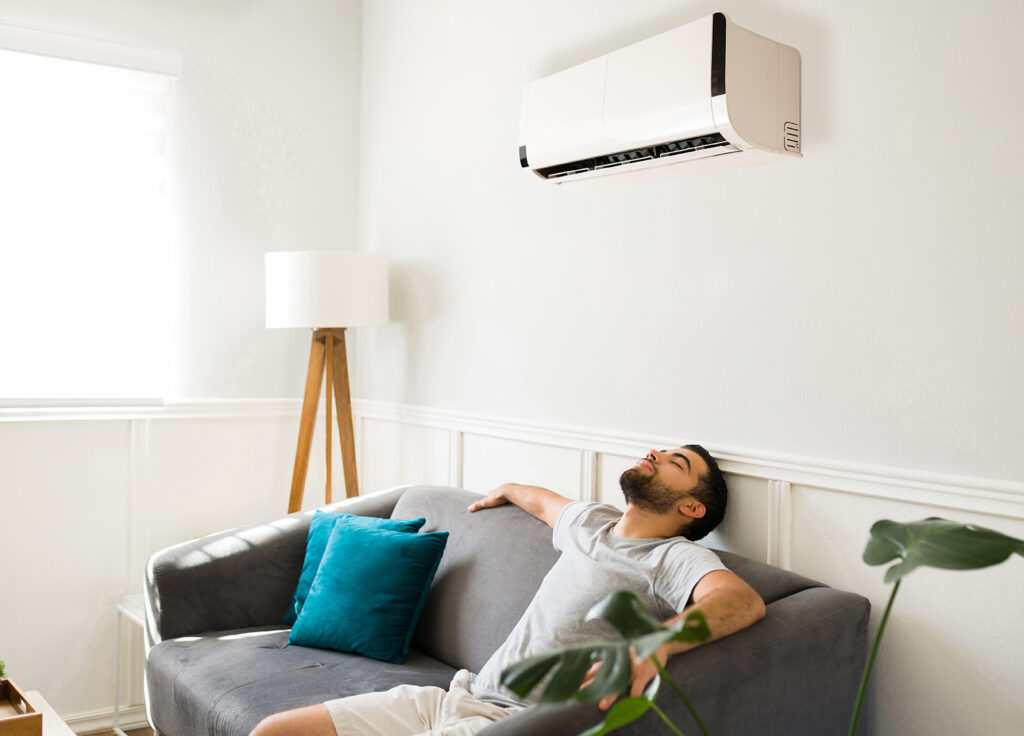
If you have a split system air conditioner, you’re already one step ahead in reducing energy use. Split systems allow for zoned cooling, meaning you can cool specific rooms rather than the whole house. This is particularly useful in multi-story homes or those with rooms that aren’t used frequently.
For instance, you could cool the living room during the day and shift to the bedrooms at night. This targeted cooling reduces waste, keeps you comfortable, and is easier on the wallet than trying to cool the entire home at once.
Invest in Energy-Efficient Models
While the upfront cost of upgrading to an energy-efficient air conditioner might seem high, the long-term savings are well worth it. Newer models are designed with energy-saving features such as inverter technology, which adjusts the compressor speed based on room temperature rather than turning it on and off frequently. This can result in a significant reduction in power usage, especially for heavy-duty cooling during the summer months.
When selecting a new unit, look for models with a high star rating and consider consulting an expert to find the best option for your home’s layout and cooling needs.
Insulate and Seal Your Home
Proper insulation is a game-changer for keeping your home cool in summer and warm in winter. When your house is well-insulated, cool air from your air conditioning system won’t escape as easily, allowing your unit to work more efficiently and reducing the need for constant adjustments. Key areas to focus on include:
- Roof and attic insulation: Heat enters your home most easily through the roof, so make sure it’s well-insulated.
- Windows and doors: Seal gaps around windows and doors to prevent air leaks.
- Walls and floors: Insulating walls can be more involved but is highly effective, particularly in older homes.
Harness Nature: Shade and Ventilation
Harnessing natural shade can provide a surprising amount of cooling power. Shaded windows and outdoor spaces can keep your home’s internal temperature lower, reducing your air conditioning needs. Consider installing external shade structures, planting trees near windows, or using shade cloths.
Ventilation also plays a crucial role. Opening windows early in the morning or late at night allows cooler air to circulate through the house, minimising the need for air conditioning.
Utilise a Programmable Thermostat
A programmable thermostat is a smart tool that lets you customise your cooling schedule according to your lifestyle. You can set it to cool the house during specific hours and automatically turn it off when you’re away. This approach keeps the house comfortable when you need it, without unnecessary energy consumption.
For even more control, a smart thermostat can be managed remotely, so you can make adjustments on the go via a smartphone app. Whether you forgot to turn off the air conditioning before leaving or want the house cool when you arrive home, it’s a great way to stay in control of your energy usage.
Regular Maintenance: A Small Step with Big Benefits
Neglecting maintenance can lead to a drop in your air conditioner’s efficiency, making it work harder to cool your home and ultimately costing you more. Regular maintenance tasks like cleaning filters, checking ducts, and servicing the unit can improve efficiency and prolong the unit’s lifespan.
For DIY maintenance, cleaning filters every couple of months is simple and can improve airflow and cooling. But for a thorough check-up, it’s worth booking an annual service with a professional, especially if you rely heavily on air conditioning.
Adjust Your Lifestyle for Cooler Living
Simple lifestyle changes can also help keep things cool without over-relying on air conditioning. Wearing lighter clothing, staying hydrated, and using cold packs or cooling towels can make a surprising difference. Small tweaks like cooking outside on a BBQ or using the microwave instead of the oven can also prevent adding extra heat to the house.
Solar Power: Invest in a Long-Term Solution
If you’re ready to make a more significant investment, solar power is an excellent way to offset your air conditioning costs over time. By installing solar panels, you can generate your own electricity during daylight hours—precisely when air conditioning use is at its peak. Over time, the savings can be substantial, especially as energy prices rise. For a more affordable option, look into rebates or government incentives for solar installations.
Conclusion: Small Changes, Big Savings
Reducing air conditioning costs doesn’t mean sacrificing comfort. By using efficient temperature settings, investing in fans, and making the most of zoned cooling with split systems, you can lower your energy use and bills significantly. Other strategies like insulation, ventilation, regular maintenance, and solar power can further enhance these savings, allowing you to enjoy a cool home without the financial heat.