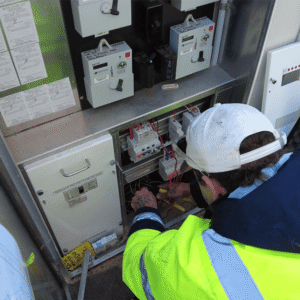
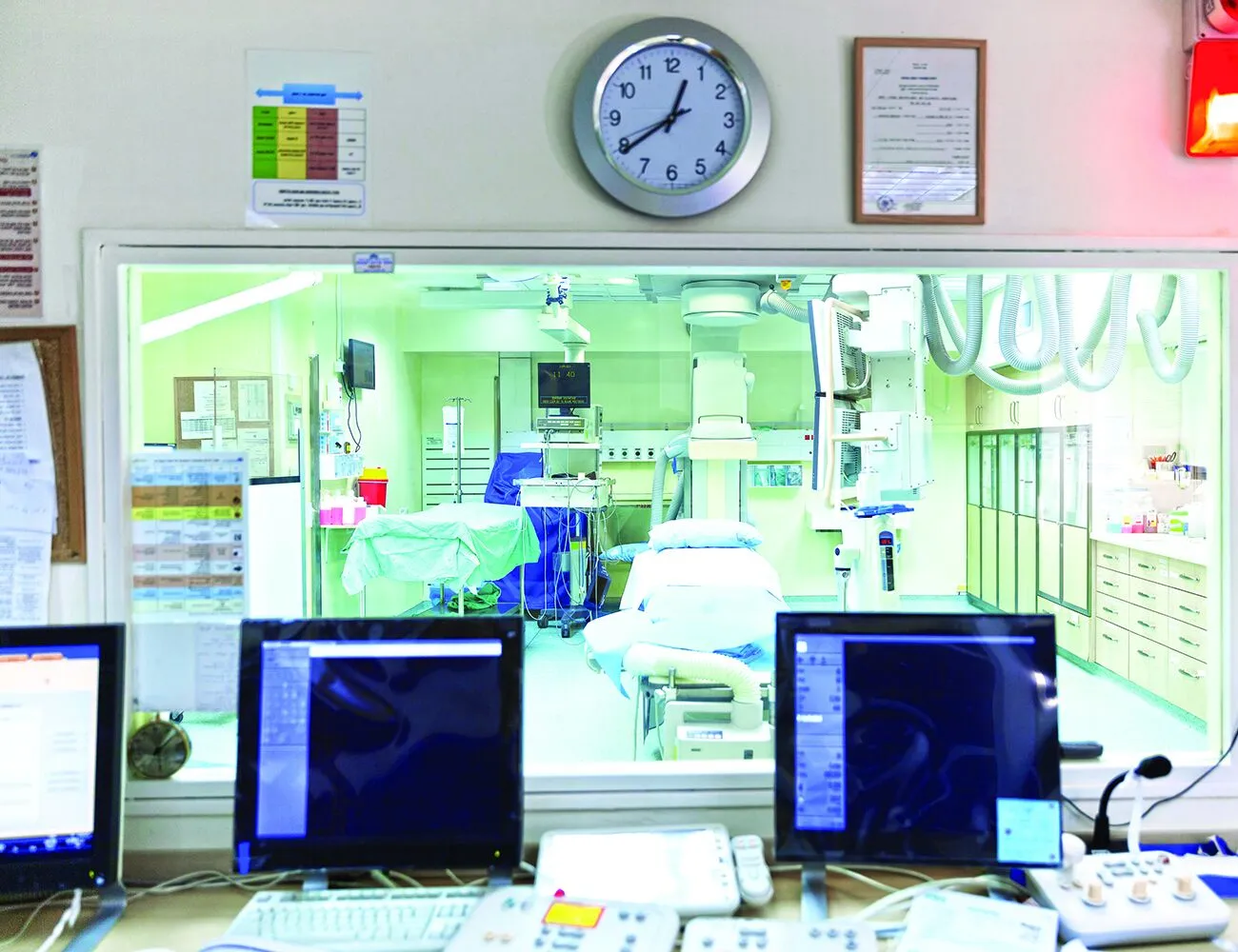
Uninterrupted power is no longer a luxury but a necessity. A reliable Uninterruptible Power Supply (UPS) system offers a safety net against power disruptions that can cripple operations, damage equipment, and result in significant financial losses.
Minimising Downtime
Downtime can be disastrous for businesses. A single power outage, even if brief, can disrupt operations, impact productivity, and tarnish customer trust. Industries like healthcare, manufacturing, and IT require consistent power to maintain services and operations. A UPS system provides instant backup power during outages, ensuring that critical systems remain operational until primary power is restored or backup generators take over.
For example, in data centres, downtime can result in data loss and a negative customer experience. The seamless transition provided by a reliable UPS system ensures continued operations and protects a company’s reputation. In regions like Perth, where businesses face occasional power fluctuations, having a UPS system is a critical safeguard against unforeseen disruptions.
Safeguarding Equipment and Data
Power surges, spikes, and fluctuations can severely damage sensitive electronic equipment and compromise data integrity. Servers, computers, and industrial machines are particularly vulnerable to these inconsistencies in power supply. UPS systems act as a buffer, regulating voltage and providing clean, uninterrupted power to connected devices.
This protective function extends the lifespan of equipment and prevents costly repairs or replacements. Additionally, by safeguarding against data loss and corruption, UPS systems ensure that businesses can continue to operate without setbacks caused by power irregularities. For organisations with critical data, such as financial institutions or research facilities, this protection is invaluable.
Enhancing Business Continuity
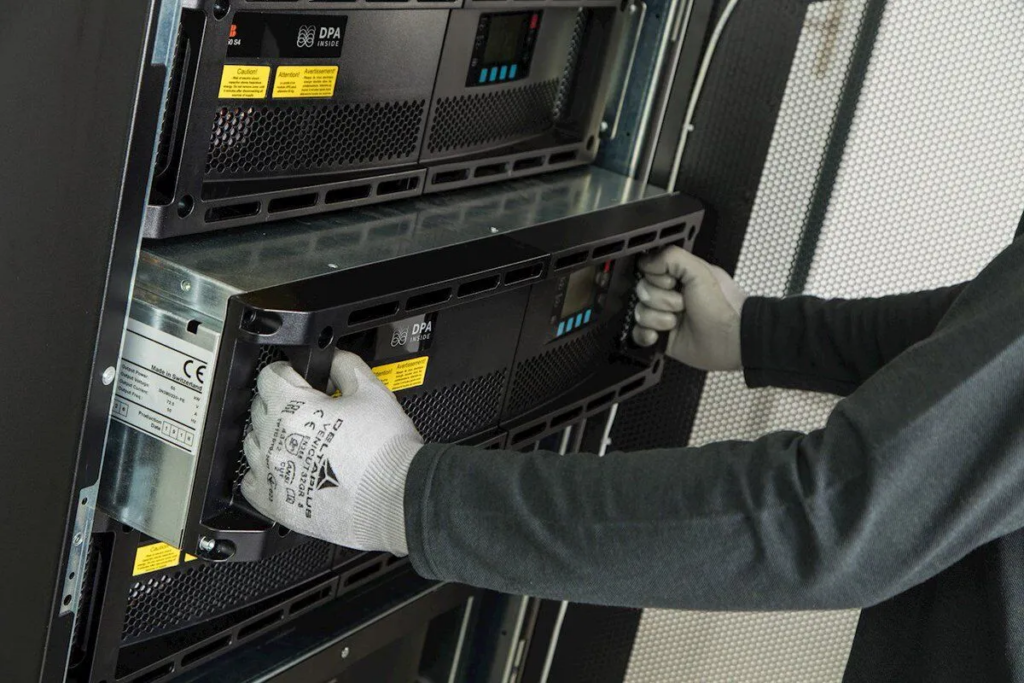
Business continuity is essential in maintaining customer trust and meeting service-level agreements. A reliable UPS system is central to a robust continuity plan, ensuring that operations proceed smoothly during power interruptions.
For example, medical facilities rely on continuous power to support life-saving equipment. Manufacturing plants depend on consistent energy to avoid halts in production that could lead to missed deadlines. With advanced UPS systems, businesses can minimise risks, meet their obligations, and maintain their operational commitments under any circumstances.
Reducing Long-Term Costs
While the initial investment in a UPS system may seem significant, the long-term cost savings are substantial. By preventing downtime and equipment damage, businesses avoid unexpected expenses that can far outweigh the cost of the UPS itself.
Modern UPS systems are also energy efficient, contributing to reduced electricity costs. Businesses can further optimise these savings by selecting UPS systems designed to meet their specific energy demands, ensuring that no power is wasted. In addition, UPS solutions that integrate renewable energy sources help businesses align with sustainability goals while enjoying lower operational costs.
Tailored Solutions for Every Industry
Every business has unique requirements when it comes to power reliability. Customised UPS solutions cater to these diverse needs, whether it’s a small retail shop needing surge protection or a large industrial plant requiring a scalable power management system.
Providers like EPT in Perth specialise in creating bespoke UPS systems tailored to the operational demands of different industries. From modular designs that grow with your business to systems designed for specific voltage and runtime requirements, these customised solutions ensure efficiency and reliability.
Importance of Regular Maintenance
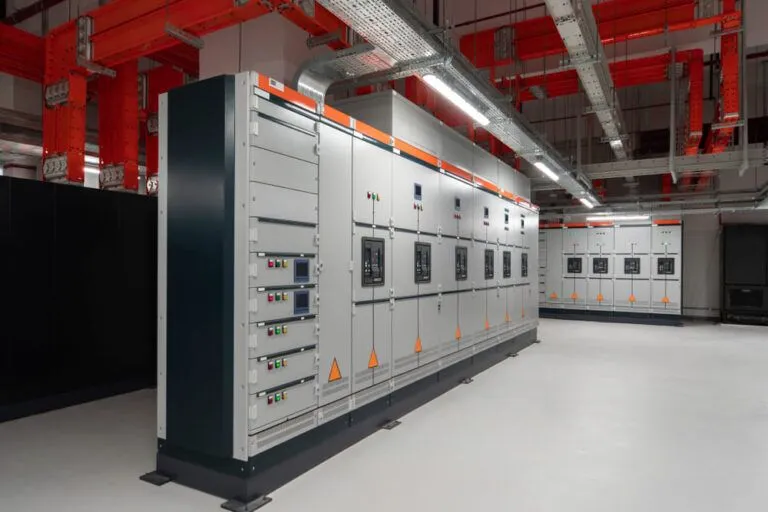
Even the most advanced UPS systems require regular maintenance to perform optimally. Preventive maintenance includes inspections, battery replacements, and system diagnostics, ensuring that potential issues are addressed before they escalate.
For businesses in Western Australia, working with trusted UPS service providers ensures that systems remain in peak condition. Regular maintenance not only prolongs the lifespan of the UPS but also enhances reliability, giving businesses peace of mind that they are protected against power interruptions.
Supporting Sustainability Initiatives
The shift towards sustainability has influenced how businesses approach power management. Modern UPS systems are designed with energy efficiency in mind, reducing carbon footprints while maintaining operational reliability.
For instance, UPS systems equipped with renewable energy integration allow businesses to harness solar or wind power, further supporting environmental goals. As sustainability becomes a key component of corporate responsibility, investing in eco-friendly UPS systems aligns with broader organisational values while offering tangible operational benefits.
Conclusion
Reliable UPS systems are no longer optional for businesses—they are an essential investment. From minimising downtime to protecting equipment, ensuring business continuity, and supporting sustainability goals, the benefits are extensive.