
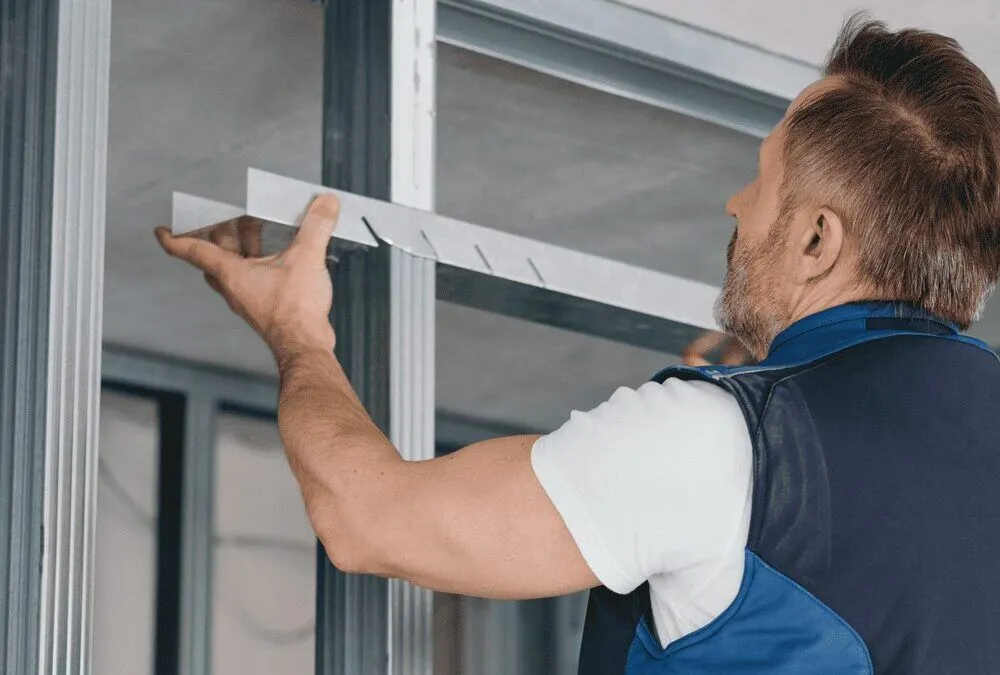
For most retailers and hospitality venues, the real battle is not just getting people through the door. It is getting them to notice products, pick them up and put them in the basket. Your fixtures quietly decide how often that happens.
Good display stands and product racks do more than hold stock. They frame key items, guide the customer’s eye through the space and make it easy to say yes. When those fixtures are built from aluminium sheets, you get all of that plus real world advantages in strength, weight and flexibility.
Why Displays Make or Break Sales
Displays are the bridge between your products and your customers. They present, group and highlight items in a way that encourages people to slow down, look, touch and buy. Visual merchandising principles like clear sightlines, focal points, eye level placement and simple storytelling all sit at the heart of this.
When fixtures are clumsy, unstable or hard to work with, staff avoid changing them. Over time, that kills freshness and reduces sales. When fixtures are flexible, easy to adjust and visually clean, staff are far more likely to keep displays sharp and relevant. That is where aluminium has a clear edge.
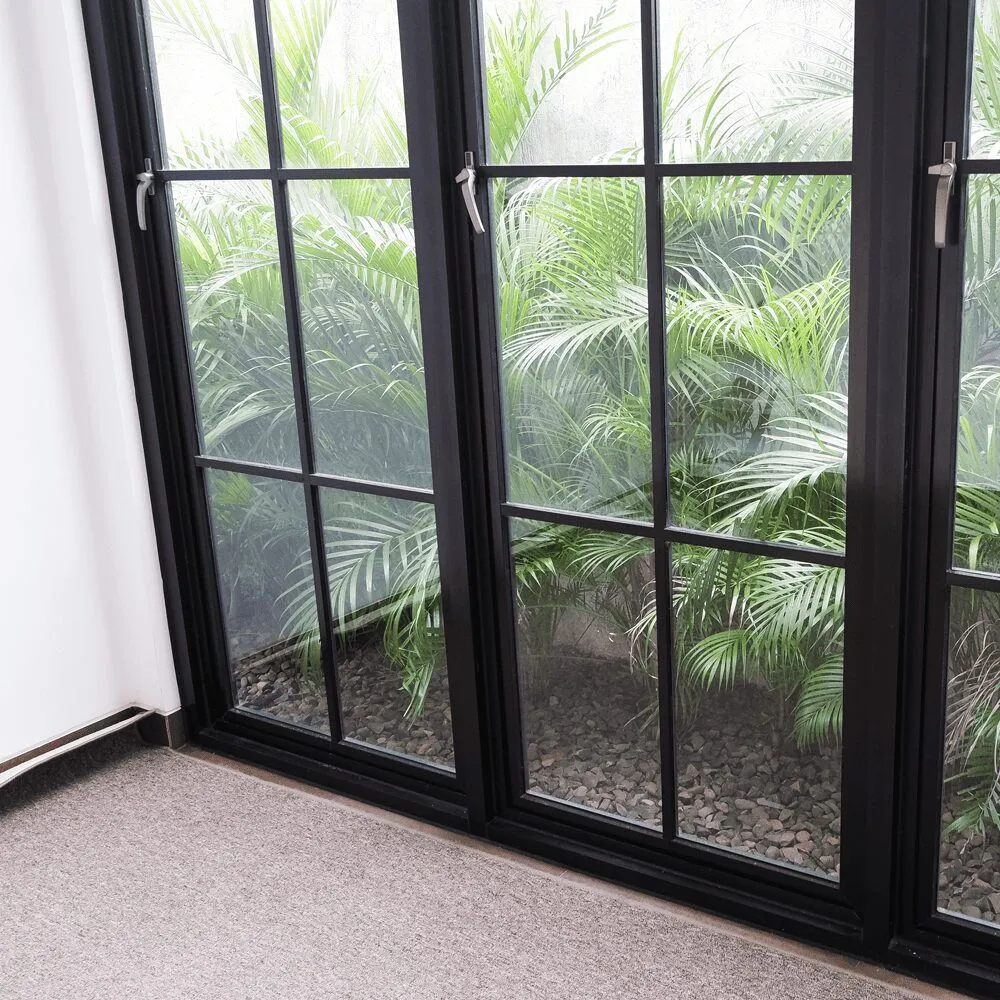
Why Aluminium Belongs in Modern Display Hardware
Aluminium is one of the most useful materials for display stands and racks because it combines three features that matter in retail and hospitality.
First, it is lightweight compared to many other metals. That makes fixtures easier to move and reconfigure, which is important when layouts change for seasons, promotions and new ranges.
Second, aluminium is strong and corrosion resistant. It stands up to busy environments, regular cleaning, the occasional knock from a trolley and constant product handling. You get slim lines without having to baby the hardware.
Third, aluminium takes finishes well. Powder coating and anodising give you a wide range of colours and textures to match your brand, from soft neutrals to bold feature colours and more industrial metallic looks.
Put together, this means you can build slim, modern fixtures that do not visually overwhelm the product but still stand up to years of use.
Using Aluminium Sheet for Strong, Slim Fixtures
Aluminium sheet is the workhorse behind many effective display systems. Flat sheet can be cut, folded, perforated and welded into shelves, back panels, sign holders, header panels, base plates and side cheeks.
Because aluminium sheet is relatively light, you can get strong components without bulky, heavy frames. Perforated sheet adds even more flexibility for:
- Hook on systems and pegboard style displays
- Ventilated panels behind electronics or food packaging
- Decorative patterns that double as branding elements
With the right fabricator, aluminium sheet can be turned into custom brackets, plinths and sign blades that all share the same finish. That helps your display hardware feel cohesive across the entire store instead of looking like a collection of mismatched pieces.
When you want clean, uninterrupted lines, aluminium sheet can also be folded to hide fixings and stiffen edges so shelves and panels feel solid under load.
Designing Stands That Guide the Eye
A display stand that sells is not just a metal structure. It is a tool for directing attention.
Aluminium fixtures help you apply simple merchandising rules without fighting the hardware. You can:
- Create clear focal points at or near eye level, where shoppers naturally look first
- Use the top third of the stand for hero products and higher margin items
- Reserve the middle and lower sections for supporting lines, refills and value options
Because aluminium uprights and cross rails can be slim, products remain the star of the show. Aluminium sheet back panels in neutral tones let packaging colours and textures stand out. You can also add interchangeable aluminium sign rails and ticket strips so staff can update prices and messaging quickly.
The result is a stand that reads clearly from a distance and rewards closer inspection, instead of a busy tangle of parts that customers glance at and ignore.
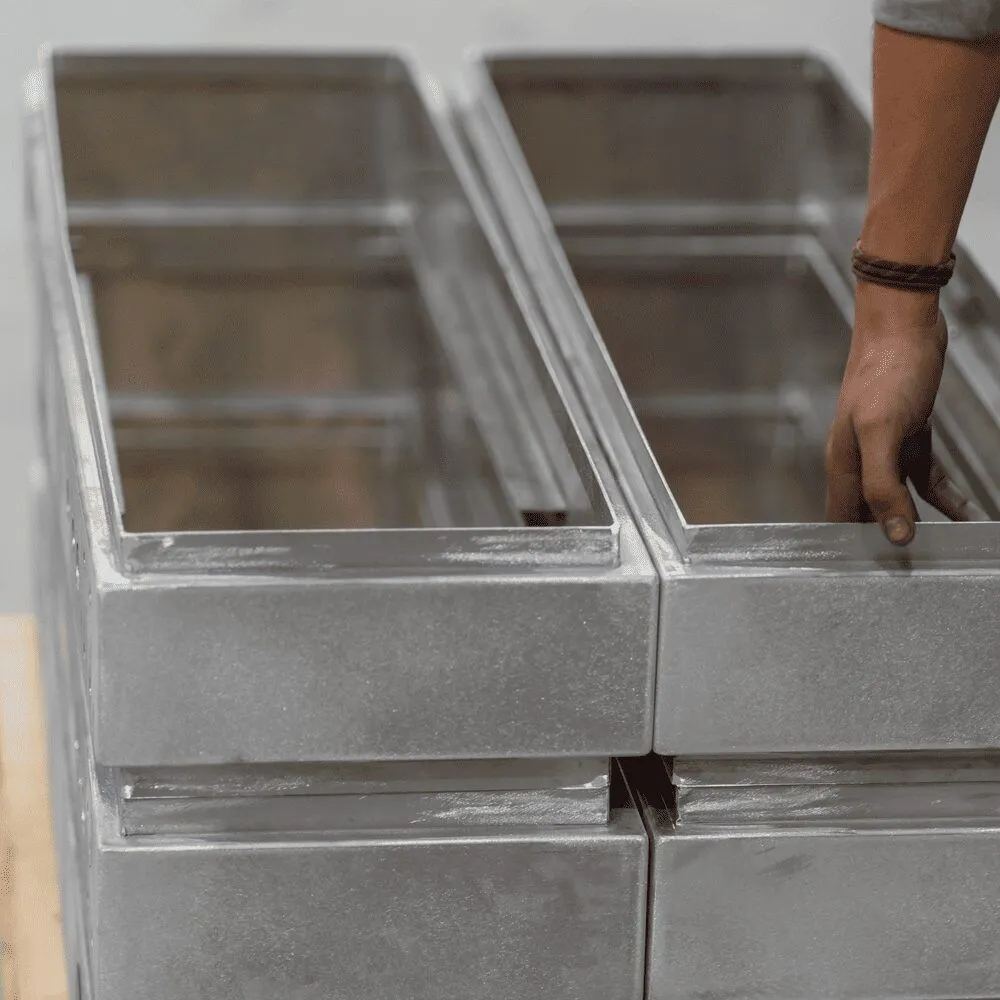
Product Racks That Work for Different Categories
Different product types need different styles of rack, but aluminium can handle most of them.
You might use:
- Gondola shelving for groceries, health and beauty, and general merchandise
- Waterfall arms and face out rails for fashion, accessories and soft goods
- Tiered racks for impulse buys near the counter
- Wall mounted systems where floor space is tight
Aluminium uprights, brackets and rails provide the structure, while shelves, trays or bins made from aluminium sheet hold the product itself. This lets you adjust shelf heights, angles and accessories as assortments change across the year.
For heavier items, you can specify thicker aluminium sections and additional bracing without ruining the look of the rack. For lighter categories, perforated aluminium sheet keeps things airy while still feeling robust, which is ideal for beauty, personal care or gift products that need more visual breathing room.
Because many components are modular, store teams can reconfigure racks by swapping shelves, hooks and panels instead of ordering entirely new units.
Bringing It All Together
Aluminium fixtures are not just a neat material choice. When you use them deliberately, they become one of the most reliable ways to make your display stands and product racks actually sell.