
Aluminium is one of the strongest arguments you can make for long-term performance in artwork. Aluminium artwork balances strength, weight, stability, and finish options in a way that’s hard to match with timber, acrylic, or heavier metals.
Why Aluminium Holds Up Over Time
Aluminium is durable because of a few simple material realities. It is strong for its weight, it is dimensionally stable when properly supported, and it naturally forms a thin oxide layer that helps protect it from further corrosion.
The core durability advantages include:
- High strength-to-weight ratio, especially useful for large-scale pieces
- Good resistance to rusting in the way steel can rust
- A surface that can be finished in multiple long-lasting ways
- Compatibility with rigid framing methods that reduce long-span distortion
It is not magic, and it is not indestructible, but it is predictable. Predictability is durability in practice.

Lightweight Strength Is a Durability Feature, not a Convenience
Weight drives a lot of hidden failure points. Heavy artwork puts more stress on mounting systems, wall substrates, joints, and transport handling. It is also more likely to get bumped, dropped, or twisted during install because it is harder to control.
Aluminium helps because you can build bigger without making the whole piece dangerous or awkward.
Lightweight strength improves durability by reducing:
- Mounting point stress and long-term creep in fixings
- Risk of impact damage during handling and transport
- Strain on frames and brackets that can lead to loosening over time
- The temptation to “make do” with under-rated anchors because the piece is too heavy
A large piece that is easier to handle is more likely to be installed correctly and stay installed correctly.
Dimensional Stability: Keeping Large Pieces Flat and True
A lot of materials are fine at small scale, then become unreliable at large scale. Timber can move with humidity, composites can bow if one face is sealed differently, and plastics can creep or deform under temperature swings. Even when the surface looks fine, the structure can slowly drift over months.
Aluminium is generally stable, but it still needs sensible design choices to stay flat across wide spans. The durability argument becomes even stronger when aluminium is used as a structural backbone.
To keep aluminium artwork flat over time:
- Choose a thickness that suits the span, not just the look
- Add a perimeter frame or backing for larger panels
- Avoid long unsupported edges that can vibrate or bend during handling
- Use standoffs and brackets that spread load rather than concentrating it
The practical point is simple: aluminium can stay true at scale if you treat it like a panel system, not like a thin sheet floating in space.
Corrosion Resistance and the Oxide Layer Reality
One of the most common durability claims about aluminium is that it “doesn’t rust”. That’s true in the sense that it does not rust like steel, but it can still corrode in certain conditions. The difference is that aluminium forms a thin oxide layer that helps protect the metal underneath.
For many indoor and mild outdoor environments, this is a major advantage. The surface naturally resists deeper corrosion compared to many ferrous materials.
Where you need to be more careful:
- Coastal environments with salty air
- Areas with persistent moisture and trapped water behind panels
- Contact points with dissimilar metals that can trigger galvanic corrosion
- Highly alkaline materials in direct contact (some cement-based products)
Aluminium is durable outdoors, but durability outdoors is as much about design details as it is about the base material.
Galvanic Corrosion: The Durability Trap People Miss
If aluminium fails early, it often fails at joints, not across the open surface. Galvanic corrosion can occur when aluminium touches a different metal in the presence of moisture. This is a common issue when people mix aluminium panels with steel frames or use the wrong fixings without isolating contact points.
You can prevent most of it with straightforward practices:
- Isolate dissimilar metals with nylon or rubber washers
- Coat or seal contact areas, not just the visible face
- Avoid creating water traps at joints
- Choose fixings and brackets suited to the environment
- Allow drainage and airflow behind the artwork where possible
This is a strong durability point for aluminium because the fix is simple, and the result is long service life.

Finishes That Make Aluminium Even More Durable
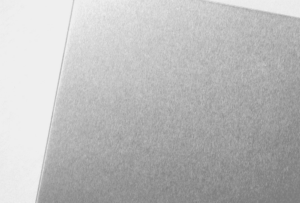
Aluminium can be durable as bare metal, but finishes can push it into “set and forget” territory, especially for public-facing pieces where fingerprints, cleaning, and minor scuffs are part of life.
Common durable finish directions include:
- Powder coating for consistent colour and tough surface performance
- Anodising for a harder surface and good long-term stability
- Clear coating for reduced marking on brushed aluminium
- Paint systems designed for metal with proper primer and prep
The durability argument improves dramatically when you align the finish with the environment.
A few practical rules that avoid premature finish failure:
- Degrease properly before any coating or paint
- Scuff or key the surface for adhesion where required
- Use primers designed for aluminium if painting
- Avoid rushing cure times, especially with larger panels
Many “durability” problems are actually prep problems.
Final Thoughts
A durability argument only lands if it speaks to real conditions: transport, handling, mounting, cleaning, and years of exposure to light and weather. Aluminium makes that argument easier because it balances lightweight strength with long-term stability, and it offers finish options that can handle public spaces and outdoor installs with less maintenance.