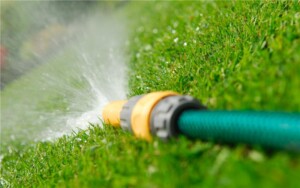

Your biggest water saver is the soil under the grass. Healthy lawn soil grabs water when it arrives, holds it where roots can reach it, and releases it slowly over time. Tired, compacted soil does the opposite. It sheds water, dries out quickly, and forces you to water more often.
If you want a lawn that stays comfortable on less water, the smartest move is to invest in the soil. That is where long term, sustainable Australian lawn care really starts.
Why Soil Matters More Than Extra Water
You can have the best irrigation controller on the market, but if the soil cannot accept and store water, you will still waste a lot. Extra minutes on the system often just mean more runoff, more puddles, and more of your allocation disappearing where it does not help the lawn.
Healthy soil changes that equation. With good structure and organic matter in place, the same amount of water:
- soaks in more quickly
- spreads more evenly through the root zone
- stays available for longer between watering cycles
Once your soil is doing that kind of heavy lifting, every part of your program becomes easier. That includes fertilising, mowing, and managing summer stress. It is the foundation modern Australian lawn care should be built on, not an afterthought.
What “Healthy Lawn Soil” Actually Means

Healthy lawn soil is not just dirt that happens to have grass on top. It has a set of clear physical and biological traits.
Good lawn soil generally has:
- a crumbly structure, not big clods or fine dust
- a mix of particle sizes, often close to a sandy loam
- enough organic matter to act like a sponge
- plenty of pores and channels for air, water and roots
- active microbes that help cycle nutrients and build structure
You can see and feel the difference. When you dig a small profile, the soil breaks apart into crumbs rather than smeary slabs. You find roots reaching down rather than sitting shallow. The soil smells earthy rather than sour or lifeless.
That sort of soil is the first step to watering less and getting better results.
How Soil Structure Affects Water Use
Soil structure is the way particles are arranged and how they stick together. It has a huge impact on how water behaves under your lawn.
In a well-structured soil:
- water enters quickly, even under moderate rainfall or irrigation
- it moves downwards rather than sideways
- it stops in the root zone instead of draining straight past it
- air can return after watering so roots can breathe
In a poorly structured soil:
- water beads on the surface or runs off hard areas
- puddles form in low spots while high spots stay dry
- the top few millimetres swing from soggy to bone dry
- roots struggle to push through compacted layers
You can easily see which of these options will cost you more water across a typical summer. Improving structure is one of the most direct ways healthy lawn soil saves on water.
Organic Matter and Microbes as Water Managers
Organic matter is the engine room of water saving. Compost, humus and other organic materials work like a sponge mixed through the mineral part of the soil. They soak up water, then release it gradually as roots need it.
When you increase organic matter:
- sandy soils gain more water and nutrient holding
- heavier soils become more crumbly and easier to work
- water spreads more evenly through the top 100 to 200 millimetres
Soil microbes also play a quiet but important role. As they feed and move, they help create stable aggregates and tiny channels. That boosts both infiltration and drainage, reducing the chance of waterlogging and surface crusting.
If you think of each watering cycle as filling a bank account, organic matter and microbes are what stop that account from leaking.
Why Healthy Soil Means Deeper Roots

Deeper roots are the bridge between soil and water savings. A lawn with deep, well branched roots can tolerate longer gaps between watering. It can also handle short heat spikes without collapsing.
Healthy soil encourages deeper roots because:
- there is less compaction blocking root tips
- there are more pores and cracks to explore
- the zone below 100 millimetres actually contains air, water and nutrients
On the other hand, compacted, lifeless soil forces roots to sit closer to the surface, where conditions change quickly. That is when you find yourself watering every day, just to keep the top few centimetres from drying out.
If your goal is smart Australian lawn care that uses less water, you want roots chasing moisture deeper in the profile, not camping at the surface.
Invest In the Soil, Not Just the Sprinklers
If your lawn always seems thirsty, the problem is very rarely only at the surface. In most cases, the soil is not doing its share of the work. It cannot accept water quickly, store it effectively, or deliver it steadily to the roots.