An ageing CO2 refrigeration system usually loses ground slowly. A degree here and an hour there add up until a consignment lands in Singapore or Tokyo already looking tired.
Cut flowers and pot plants depend entirely on the cool room between harvest and the airport. When the CO2 refrigeration system behind that room runs on old design assumptions, the losses show up as shorter vase life and rejected stock.
What Counts as an Outdated CO2 Refrigeration System
An outdated CO2 system is one built before high-ambient design and standby pressure protection became normal practice. Plenty of these are only ten to fifteen years old.
A transcritical system is one where the CO2 runs above its critical point (31.1°C and roughly 73.8 bar) on the high-pressure side. Above that point the gas won’t condense, so the gas cooler only lowers its temperature. That single fact drives most of the problems older plant has in Australian conditions.
Field technicians tend to spot the same warning signs:
- Early booster racks with no parallel compression or ejectors, so efficiency falls away sharply on hot days
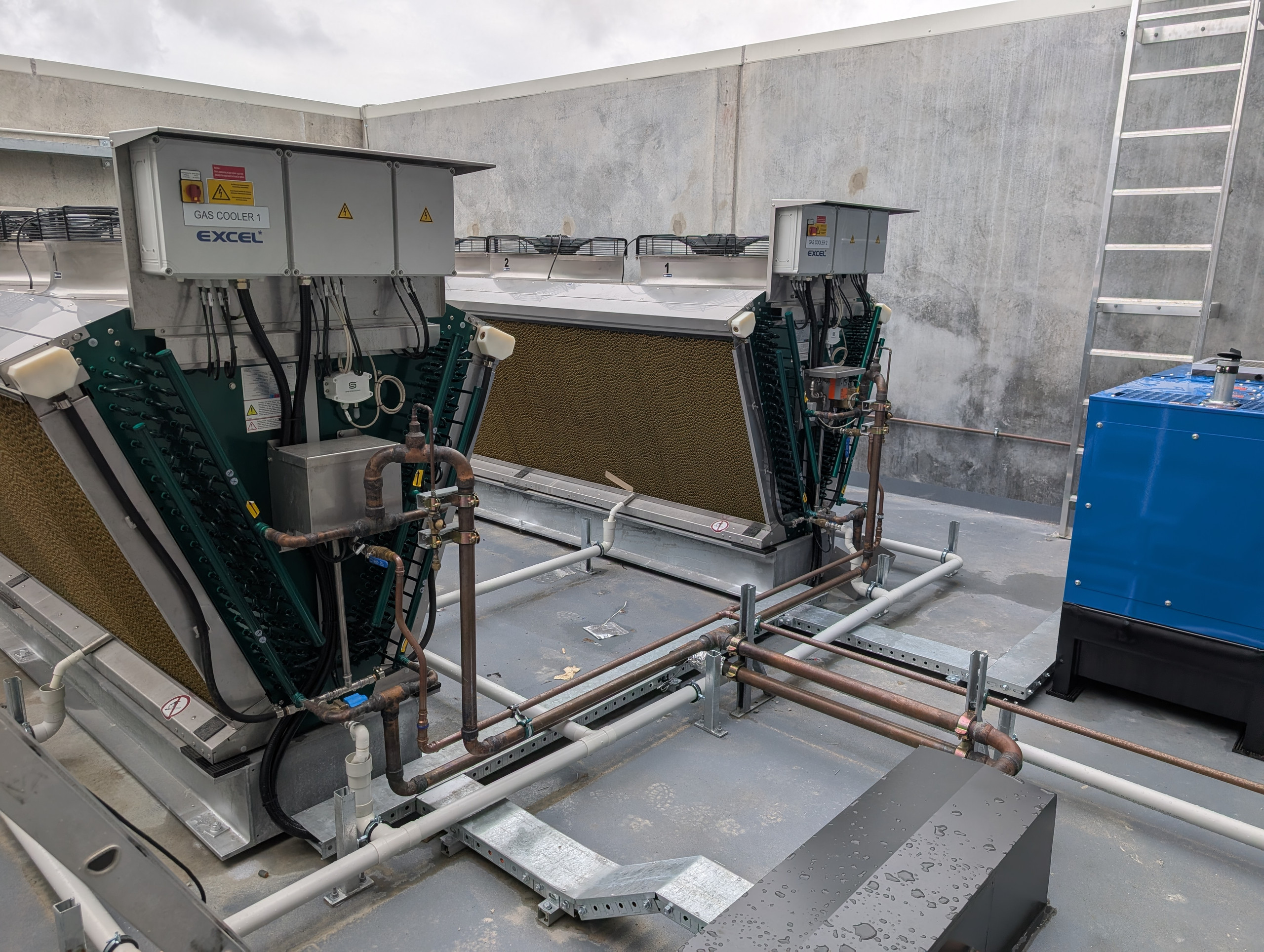
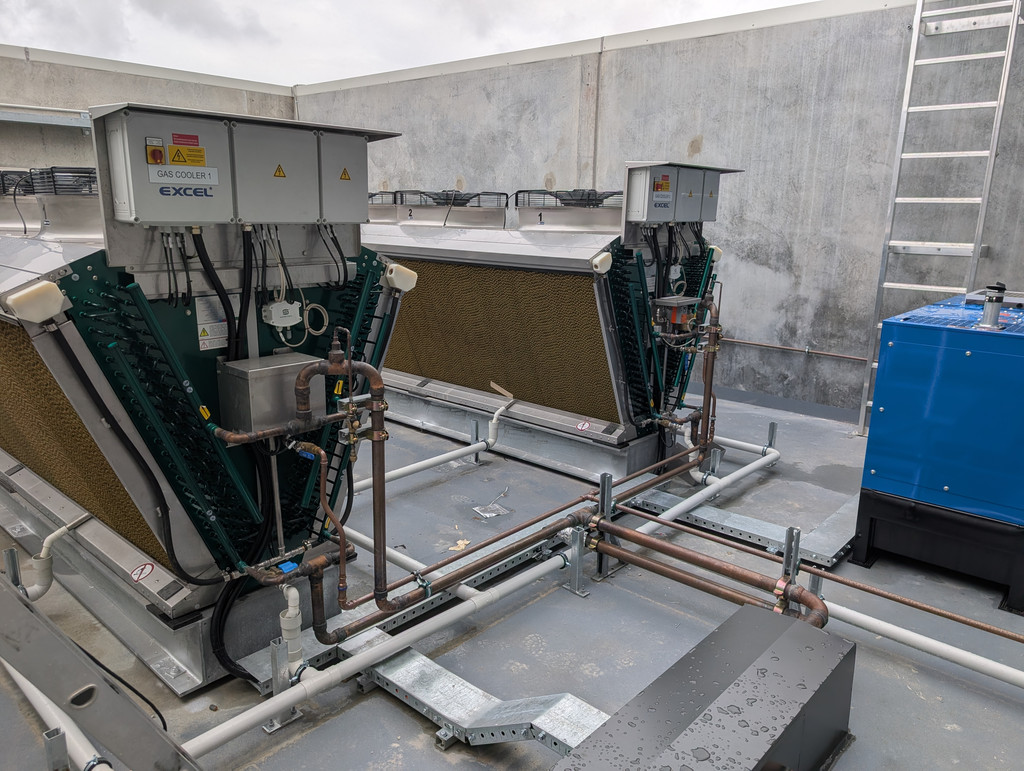
- Dry gas coolers with no adiabatic pre-cooling, sized for an average summer with little margin for a 44°C afternoon
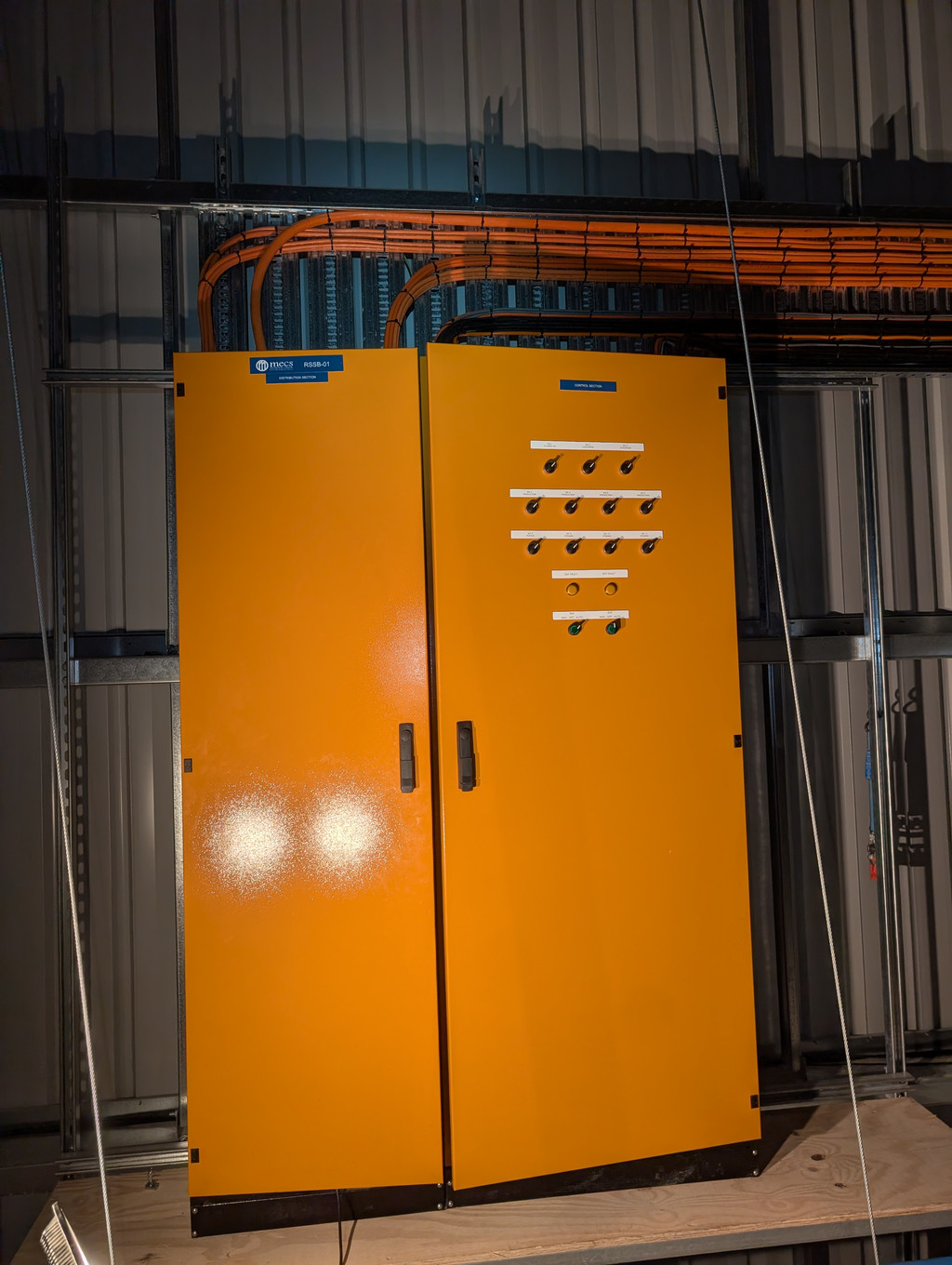
- Fixed-speed compressors and fans fed from ageing switchboards with little spare capacity
- Standalone controllers that don’t log data or send alarms off site
- No standby condensing unit to hold pressure during a blackout
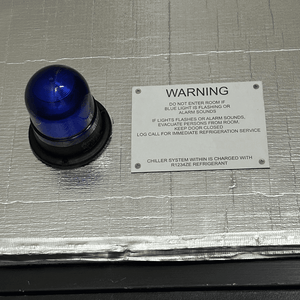
- CO2 detection that’s missing, out of calibration or mounted at head height
The Hot Afternoon Problem in Australian Summers
Older transcritical plant loses capacity and efficiency right when ambient temperatures peak. That’s also when packing sheds are busiest and cool room doors open most often.
Once ambient reaches the mid-20s, a basic booster rack starts switching into transcritical mode, and on hot afternoons it stays there. Discharge pressures push towards 90 bar or more. Older racks then start hitting high-pressure limits and shedding compressors, so capacity drops just as the heat load rises.
A rack designed around a 35°C ambient will cop a hammering in a Western Australian or inland Victorian heatwave. Summer also brings the most field heat in freshly harvested stock. The rack faces peak ambient and peak product load at the same time, which is where older plant runs out of headroom.
Modern designs lean on adiabatic gas coolers and parallel compression, with ejectors on larger plant. Older plant has none of these, and no amount of control tuning makes up the difference.
Power Cuts, Standstill Pressure and the Lost Charge
On a system without standby protection, a long power cut can vent a large share of the CO2 charge through the relief valves. When power returns, there may not be enough charge left to run the plant.
At 25°C, CO2 sits at around 64 bar. Many older receivers and low-temperature sections are rated well below that. As the plant room warms, pressure climbs to the relief setting and gas escapes.
Relief valves usually reseat once pressure drops, but a long outage can cycle them over and over. The site then waits for a technician and a recharge while stock warms up. It’s a quiet failure mode that most exporters only learn about once.
Proper protection usually includes:
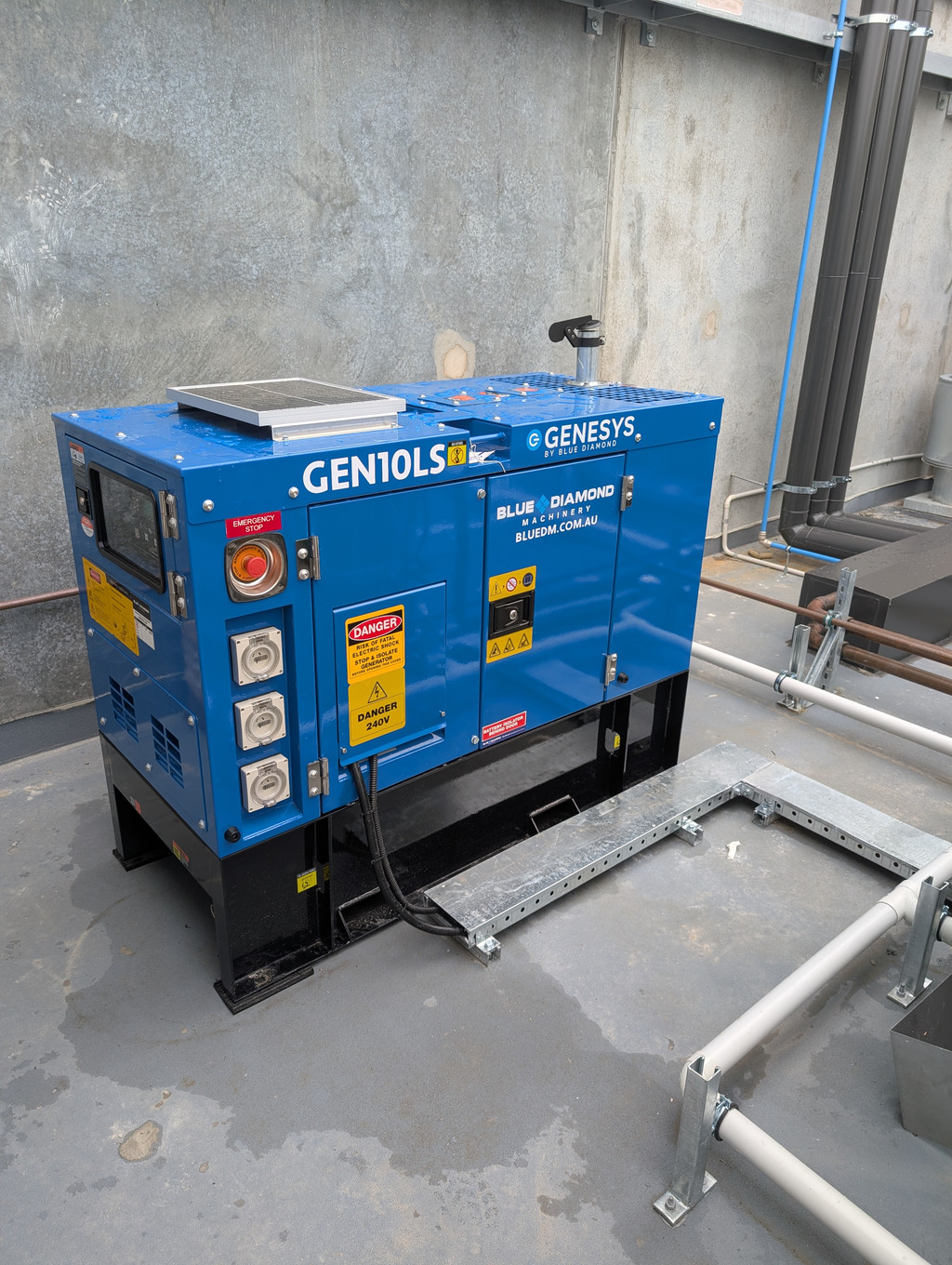
- A small standby condensing unit on generator or dedicated supply to keep receiver pressure down
- UPS backup for the controls and gas detection, so monitoring keeps running through the outage
- Generator changeover sized for compressor start-up loads, or VSDs to soften the inrush
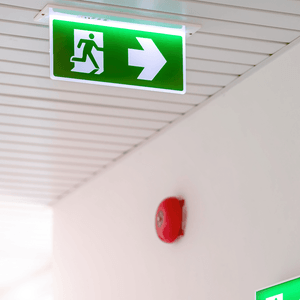
- Alarms that notify on-call staff when the standby unit kicks in
- A documented restart sequence, so staff don’t reset equipment in the wrong order
How Ageing Controls Hide Problems Until a Consignment Fails
Old controls usually keep the plant running while hiding the slow faults that cost the most. Sensor drift and poorly tuned high-pressure valves rarely trigger an alarm.
A room probe reading 2°C low means stock sits at 3 or 4°C while the display shows a reassuring 1°C. Over a ten-day hold, that’s a meaningful chunk of vase life gone.
A common setup in older sheds has staff recording room temperatures on a clipboard at 7am and 4pm. Both readings look fine all week. The 2am defrost overshoot, when the room spikes to 8°C for forty minutes, never gets written down.
Without logged data, there’s also nothing solid to fall back on. When an importer disputes quality or an insurer asks for records, handwritten checks don’t carry much weight.
Frequently Asked Questions
How Long Does a Transcritical CO2 System Last Before It Needs Upgrading?
Major components are commonly expected to run 15 to 20 years, though design age often becomes the problem sooner. Older designs in hot regions often show capacity problems within ten to fifteen years. Logged performance data from a hot summer week gives the most reliable picture.
Can an Older CO2 System Be Retrofitted Instead of Replaced?
Often, yes. Gas cooler upgrades, standby units, new controls and relocated detection can all be added to a sound existing rack. Pressure ratings and switchboard capacity usually decide it, along with the condition of the pipework.
What Temperature Should Cut Flowers Be Stored at for Export?
Most temperate cut flowers sit at 0 to 2°C with 90 to 95 percent relative humidity. Tropical species generally need 10 to 13°C to avoid chilling injury. Mixed loads need separate rooms or zones.
Key Takeaways
Outdated CO2 plant damages flower and plant exports through slow, hidden losses, and fixing it takes a coordinated electrical and refrigeration upgrade.
- Hot afternoons expose older transcritical racks when ambient and product loads peak together
- Blackouts without standby protection can vent enough charge to stop the plant
- Unlogged controls hide sensor drift and defrost spikes
- Low-mounted CO2 detection is the expected standard under WHS duties and AS/NZS 5149
- Upgrades work best when every trade is commissioned together