Property operators constantly shift landscape layouts to suit changing seasonal needs. Moving heavy outdoor features requires the right structural containers from the start. The trade term tare weight simply refers to the empty mass of a container before soil, water, and plants get added. Lower tare weight makes everything easier on site.
Concrete and timber units quickly become permanent fixtures due to their sheer mass. There’s no point throwing money at heavy materials if mobility remains the primary goal. Quality custom metalwork solves this heavy lifting problem immediately. Aluminium offers the ideal strength-to-weight ratio for dynamic, mobile planters across commercial properties.
Why Tare Weight Matters for Mobile Planters
Aluminium outdoor planter boxes help move plants because their low tare weight removes massive dead load from the moving equation entirely. This simple material advantage changes how facilities manage their green spaces on a daily basis.
- Standard saturated potting mix weighs around 1200 kilograms per cubic metre.
- Adding a heavy concrete shell makes the total unit almost unmovable without industrial cranes.
- A marine-grade metal unit weighs a tiny fraction of concrete while holding the exact same soil volume.
Lower base weight means more capacity for soil and water instead. Operators don’t waste lifting capacity on the box itself. It saves valuable time and drastically prevents worker injuries. A lightweight base keeps the focus entirely on the actual horticulture.
The Role of Custom Metalwork in Structural Integrity
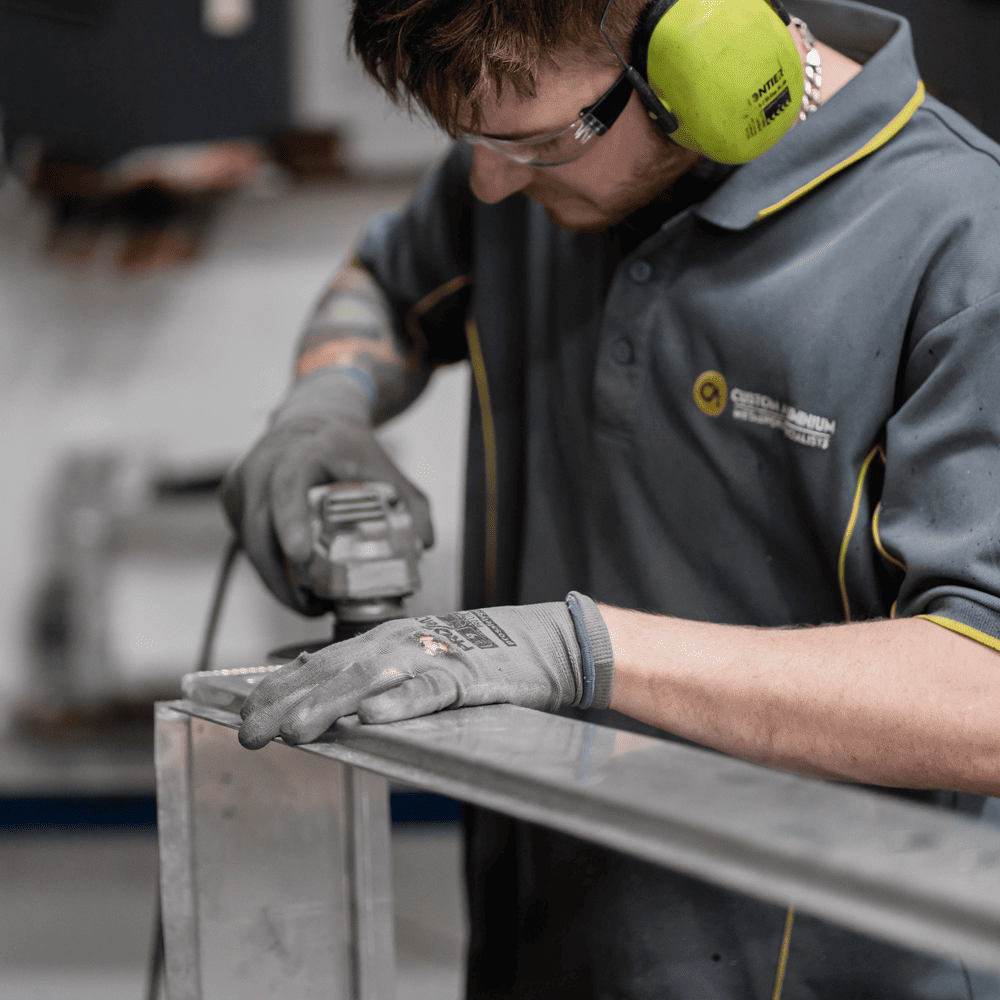
Custom metalwork supports plant mobility by allowing fabricators to weld reinforced lifting points directly into the base structure. Standard off-the-shelf plastic pots always flex under heavy soil loads. Aluminium doesn’t suffer from this structural weakness at all.
- Thick mounting plates get TIG welded straight onto the main chassis frame.
- This engineering stops the wheels from ripping out when pushed aggressively.
- Internal metal gussets provide corner rigidity so the box stays perfectly square.
A mobile unit will cop a hammering over its lifespan on a commercial property. Cheap containers warp instantly when pushed from a single side. Welded metal stays rigid and fully protects the delicate root balls inside. The whole box moves as a single, solid piece.
Modifying Base Frames for Mechanical Lifting
Aluminium structures facilitate mechanical plant relocation because their bases can be engineered with specific fork tine channels and concealed skids. Large commercial properties rarely attempt to move big trees by hand. They rely heavily on forklifts and heavy pallet jacks.
- Fabricators build hidden sleeves into the base specifically for forklift tines.
- These reinforced channels prevent the machine from accidentally crushing the decorative walls.
- Welded skid rails replace standard feet so the box slides smoothly.
This manufacturing process makes moving massive statement trees a highly predictable operation. Landscapers simply drive the machine in and lift the unit clean off the ground. No strapping or awkward slinging is required for the job. It keeps the heavy machinery safely clear of the fragile plant canopy.
Handling Structural Stress During Transit
Rigid aluminium walls handle transit stress by preventing the structural flex that often kills established roots during transport.
Root shear occurs rapidly when a pot twists during sudden movement. Tiny feeder roots snap off instantly when the soil profile shifts. The plant then suffers severe systemic shock and immediate leaf dieback.
Aluminium boxes resist this harmful torsion completely. When a forklift lifts one end, the entire frame lifts evenly without bending.
This mechanical stability acts as a physical shield for the growing medium. The soil profile remains completely undisturbed throughout the entire relocation process. Most operators reckon this rigidity directly dictates post-move plant survival rates.
Frequently Asked Questions
How Do Caster Wheels Attach to Aluminium Planters?
Fabricators weld thick metal plates directly onto the base frame during the initial construction phase. Installers then use heavy-duty bolts to secure the wheels firmly to these plates. This mechanical fixing definitively stops the wheels from tearing out under heavy dynamic loads.
Does Marine-Grade Aluminium Handle Constant Moving Better?
Yes, marine-grade alloys offer much higher tensile strength and superior corrosion resistance for outdoor applications. This stops the metal from fatiguing when constantly pushed over highly uneven ground surfaces. It also prevents structural rust if the powder coating gets heavily scratched during transit.
Can Large Aluminium Planter Boxes Be Moved When Full?
They certainly can be moved while full if engineered correctly from the very start. Large units require specific forklift channels welded into the base to handle the massive weight of wet soil safely. Moving them manually is highly unsafe once they exceed a certain physical size.
Do Mobile Aluminium Planters Need Special Soil Profiles?
They benefit greatly from lightweight engineered soil blends rather than heavy traditional dirt. Standard garden soil compacts too densely and adds massive unnecessary weight to the mobile unit over time. A quality potting mix ensures the container remains highly manageable for quick manual relocation.
Key Takeaways
Aluminium planter boxes fundamentally change how properties manage their outdoor green spaces over time. The exceptionally low weight of the metal allows operators to reposition massive botanical displays safely. Custom fabrication ensures the base frame never buckles under the heavy strain of wet soil.