

If you’ve ever found yourself grumbling under a lukewarm shower in the middle of a Melbourne winter or wincing at your energy bill, then you’ve probably asked this question before: Should I upgrade my hot water system?
The answer isn’t always straightforward, but there are some key signs and reasons that can help you make a smart, cost-effective decision. Whether you’re dealing with a clunky old unit, trying to cut energy costs, or just looking for something more environmentally friendly, this guide will walk you through what to consider.
How Old Is Your Current Hot Water System?
Let’s start with the basics—age. If your current system is over 10 years old, it might be nearing the end of its efficient life. Most traditional storage hot water systems have a lifespan of around 8 to 12 years. After this point, they often become less efficient, more prone to breakdowns, and more expensive to run and repair.
Even if your system is still technically working, you might be spending more than you realise on energy bills just to keep it going. Technology has come a long way, and newer systems offer much better performance and lower running costs.
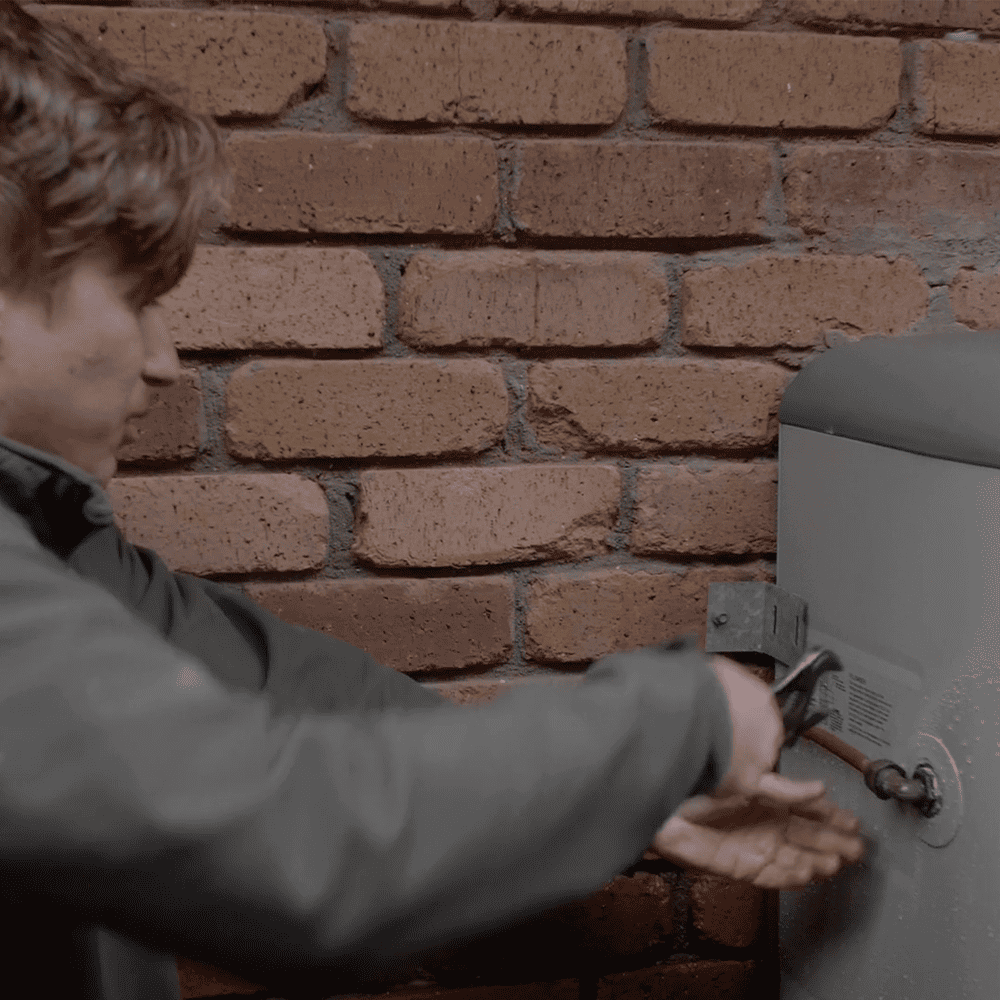
Are You Constantly Running Out of Hot Water?
If the hot water runs out halfway through your morning shower—or if you’ve got a growing family and your system can’t keep up—it’s a clear sign your current unit isn’t meeting your needs. Older systems, particularly smaller storage models, simply weren’t designed for the high water usage of modern homes.
Upgrading to a system with greater capacity, or switching to a continuous flow (instant) model, can help ensure everyone gets a hot shower without the dreaded cold surprise.
Energy Bills Climbing? Your System Might Be the Culprit
Hot water heating is one of the biggest energy users in the average Aussie home, especially in winter. If you’ve noticed your bills creeping higher each quarter and you haven’t changed your usage habits much, your hot water system could be to blame.
Gas storage units, for example, can continue to use energy even when you’re not actively drawing hot water, while electric systems—especially older ones—are notorious for inefficiency. On the other hand, modern systems, especially those that are solar-assisted or high-efficiency gas continuous flow, can drastically reduce energy use and operating costs.
What Type of System Suits Your Home?
Upgrading isn’t just about getting a newer model—it’s also a chance to rethink what type of hot water system best suits your lifestyle, property, and budget. Here are some common types to consider:
- Gas Storage: Reliable and good for high usage households, but generally less efficient than continuous flow systems.
- Gas Continuous Flow: Heats water on demand, which means you never run out and you only pay for what you use. Excellent for efficiency and smaller spaces.
- Electric Storage: Still common in older homes, but can be expensive to run unless on a controlled load tariff.
- Solar Hot Water: A great option if you’re planning to stay in your home long-term and want to slash your energy bills. Upfront costs are higher, but rebates and savings can make it worthwhile.
- Heat Pump: Efficient and great for cool climates like Melbourne. These use ambient air to heat water, working a bit like a reverse fridge.
Every household has different needs. Think about your daily hot water usage, the space available, and your energy preferences before committing.
Environmental Concerns? You’ve Got Greener Options
If you’re looking to reduce your household’s carbon footprint, an old electric system is one of the first things to review. Replacing it with a more energy-efficient system—especially a heat pump or solar-assisted unit—can significantly reduce greenhouse gas emissions.
And with growing incentives and rebates from local and federal programs, going green might not be as pricey as you think. A modern, efficient hot water system not only helps the environment—it can also put money back in your pocket over time.
Unexpected Repairs? Consider the Long-Term Cost
If your current system is starting to need frequent repairs—leaks, inconsistent temperature, or strange noises—it might be cheaper in the long run to replace it rather than keep patching it up. Parts and labour costs can quickly add up, and those emergency callouts often come with a hefty price tag.
Instead of gambling with breakdowns, investing in a reliable, energy-efficient unit now can save you headaches later. Think of it as insurance against cold showers and unexpected bills.
Final Thoughts: Is Now the Right Time?
Upgrading your hot water system might not be the most exciting home improvement—but it’s one of the most practical. With energy prices on the rise and a stronger push for sustainable living, making the switch can benefit both your wallet and the environment.
Whether you want to eliminate cold showers, lower your bills, or do your bit for the planet, upgrading your hot water system is worth serious consideration. If your current system is old, inefficient, or just not keeping up, it’s time to start looking at your options.
Need help working out what’s right for your home? In the next section, we’ll break down how to compare hot water systems—and what to ask your installer before committing to an upgrade. Let’s make sure your next shower is the warmest (and cheapest) one yet.