

When a fireplace is working well, it is easy to take it for granted. You turn it on, enjoy the warmth, and turn it off again when you are done. The problem is that most of the important parts are hidden. Flues, burners, seals, and gas connections sit out of sight, and issues often build quietly over time.
That is where a professional fireplace inspection and gas safety check comes in. It is not just another bill. Done properly, it is a structured check of safety, performance, and compliance that can save you money on fireplace repairs and help protect your family from real risks.
Why Fireplace Safety Is More Than Just a Good Flame
A strong flame and a cosy room are not enough to say a fireplace is safe. You can have a fire that looks fine on the surface while problems are developing in the background.
Fireplaces, whether wood or gas, involve:
- High heat in a relatively small space
- Combustion gases that must be removed safely
- Moving parts such as valves, dampers, and fans
- Materials that age under constant temperature changes
Over time, these elements wear, loosen, or move. Seals dry out, flues accumulate soot, and gas components can lose their original settings. A professional inspection is designed to catch those changes before they turn into safety hazards or major fireplace repairs.
What a Professional Fireplace Inspection Actually Covers
Many homeowners are surprised at how detailed a proper inspection can be. It is not just a quick look with a torch and a wipe of the glass. A trained technician follows a checklist that targets both obvious and hidden risks.
A typical inspection may include:
- Visual checks of the firebox, surround, hearth, and nearby walls
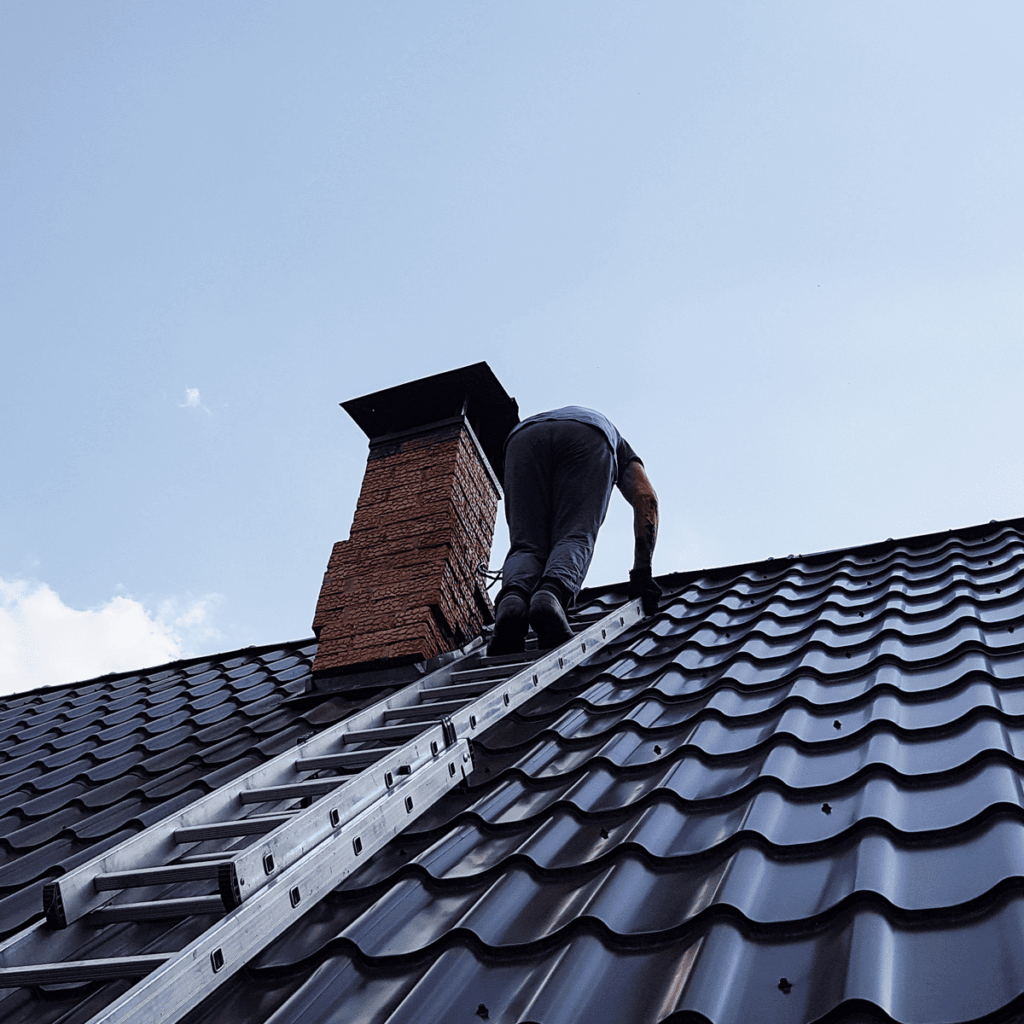
- Assessment of flue condition, termination, and clearances
- Inspection of baffles, burners, logs or media, and internal linings
- Testing dampers, fans, and air intake paths
- Checking for cracking, gaps, and signs of movement or distortion
- Looking for staining, soot deposits, or heat marks in unusual places
For gas units, the technician will also combine this with a gas safety check. Together, these steps give a clear picture of how safe and efficient the system really is. Issues that could have led to expensive fireplace repairs later can often be resolved with targeted maintenance when caught early.
Why Gas Safety Checks Are Non-Negotiable
Gas fireplaces are popular because they are convenient. They offer instant heat with the press of a button and no wood to stack. That same convenience can hide problems if no one is paying attention to the gas side of the system.
A professional gas safety check focuses on:
- Gas connections and joints for leaks or damage
- Burner performance and flame pattern
- Pressure and gas flow settings against manufacturer specifications
- Operation of ignition systems, safety controls, and shut off devices
- Proper ventilation for the specific room and appliance
The biggest concern is carbon monoxide. You cannot see or smell it, and it can build up if the appliance is not burning correctly or if exhaust paths are blocked or undersized. A licensed technician uses instruments to test for unsafe levels and confirm that gases are being vented as designed.
Skipping gas safety checks and only calling someone when the heater fails or smells odd is risky. Regular inspections, combined with prompt fireplace repairs when needed, greatly reduce the chance of serious gas incidents.
Hidden Problems Homeowners Commonly Miss
Even attentive homeowners can miss early signs of trouble. You are not expected to pull apart components or run detailed tests every year. That is exactly why a professional eye is so useful.
Some of the hidden issues a technician might find include:
- Fine hairline cracks inside the firebox or around the flue collar
- Seals that look intact but have hardened and no longer seal under heat
- Flue liners that are starting to corrode or separate at joints
- Partially blocked flues from bird nests, leaves, or debris
- Burners with uneven output that indicate clogging or poor adjustment
- Early rust in concealed metalwork that has not yet stained visible areas
Individually, each of these might seem minor. Left alone, they can lead to poor combustion, smoke leakage, or structural damage. Dealing with them during a scheduled inspection is far more cost effective than urgent fireplace repairs in the middle of winter.
How Regular Inspections Reduce Fireplace Repairs
There is a direct link between consistent inspections and lower long term repair costs. Fireplaces fail for two main reasons: normal wear that has never been addressed, and sudden damage from events such as storms or misuse.
Regular inspections help by:
- Catching small defects while they are still cheap to fix
- Keeping key components clean and correctly adjusted
- Identifying patterns, such as repeated overheating in one area
- Extending the life of parts that would otherwise wear prematurely
- Reducing the chance of major component failure under full winter load
From a budgeting point of view, paying for a planned inspection once a year or every second year is usually far cheaper than facing a large, unexpected invoice for extensive fireplace repairs. It also gives you time to plan upgrades or replacements, instead of being forced into a rushed decision.
Inspections as Preventative Maintenance, not a Luxury
Some people see inspections as an optional extra, something to do only when there is obvious trouble. In reality, they are a key part of preventative maintenance, just like servicing a car or having a licensed electrician check critical wiring.
If it has been a while since a professional last looked at your heater, consider treating an inspection as your next step. It is a practical way to make sure your fireplace is not just warm and attractive, but also safe, efficient, and ready for many more winters.