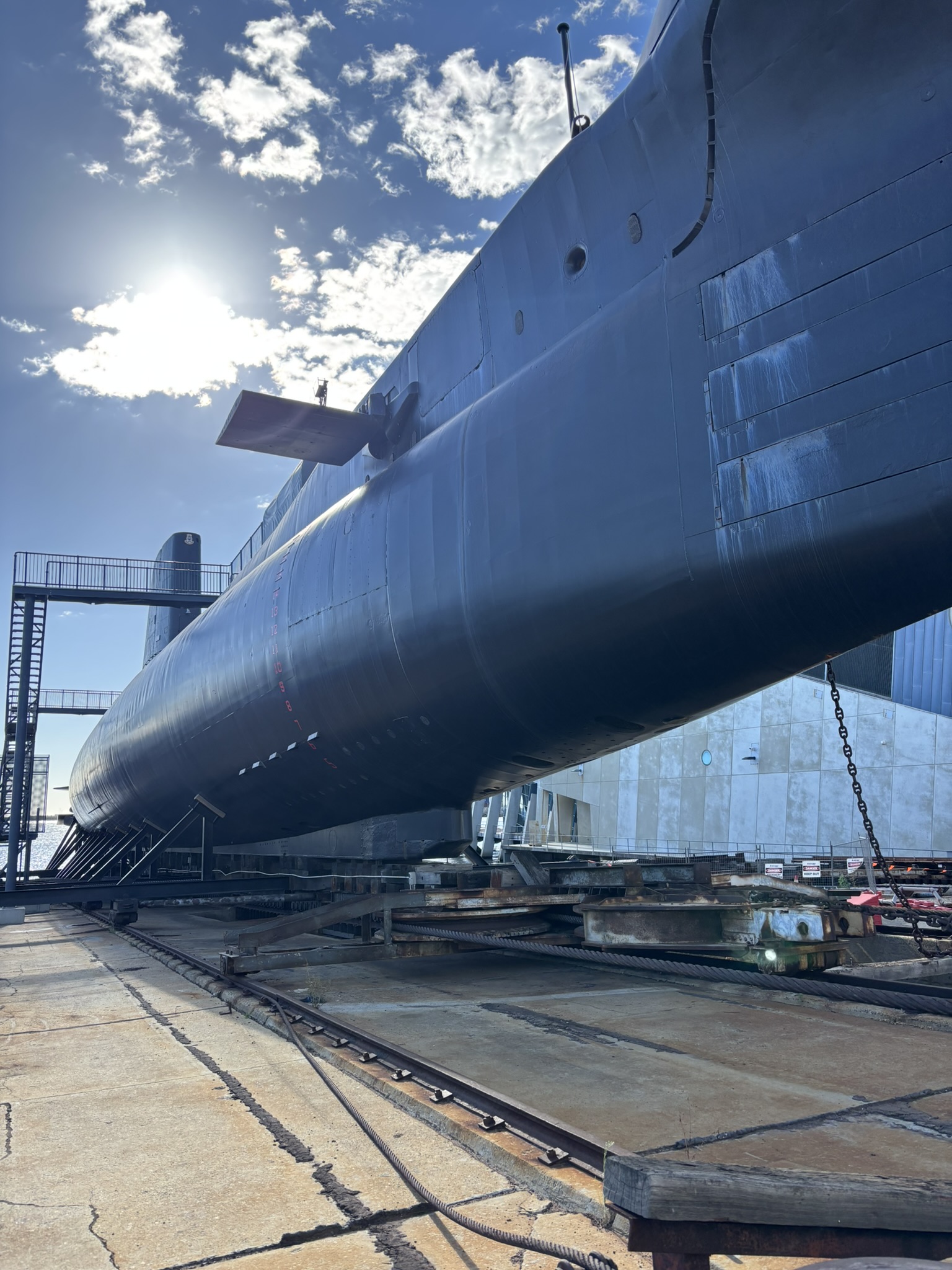
Tradies keep museum hull displays safe by treating heritage sign-off, corrosion-resistant materials and public safety compliance as a single connected job. Every cable run, fixing point and switchboard gets planned around a hull built decades before anyone needed to run a mechanical electrical installation through it.
A heritage listed vessel has been formally recognised, usually on a state heritage register, as significant enough that any change to its fabric needs approval. That listing shapes almost every decision a trade makes once tools go on board. It decides where a cable can run and how a switchboard gets fixed to a bulkhead.
Why a Museum Hull Isn’t a Normal Job Site
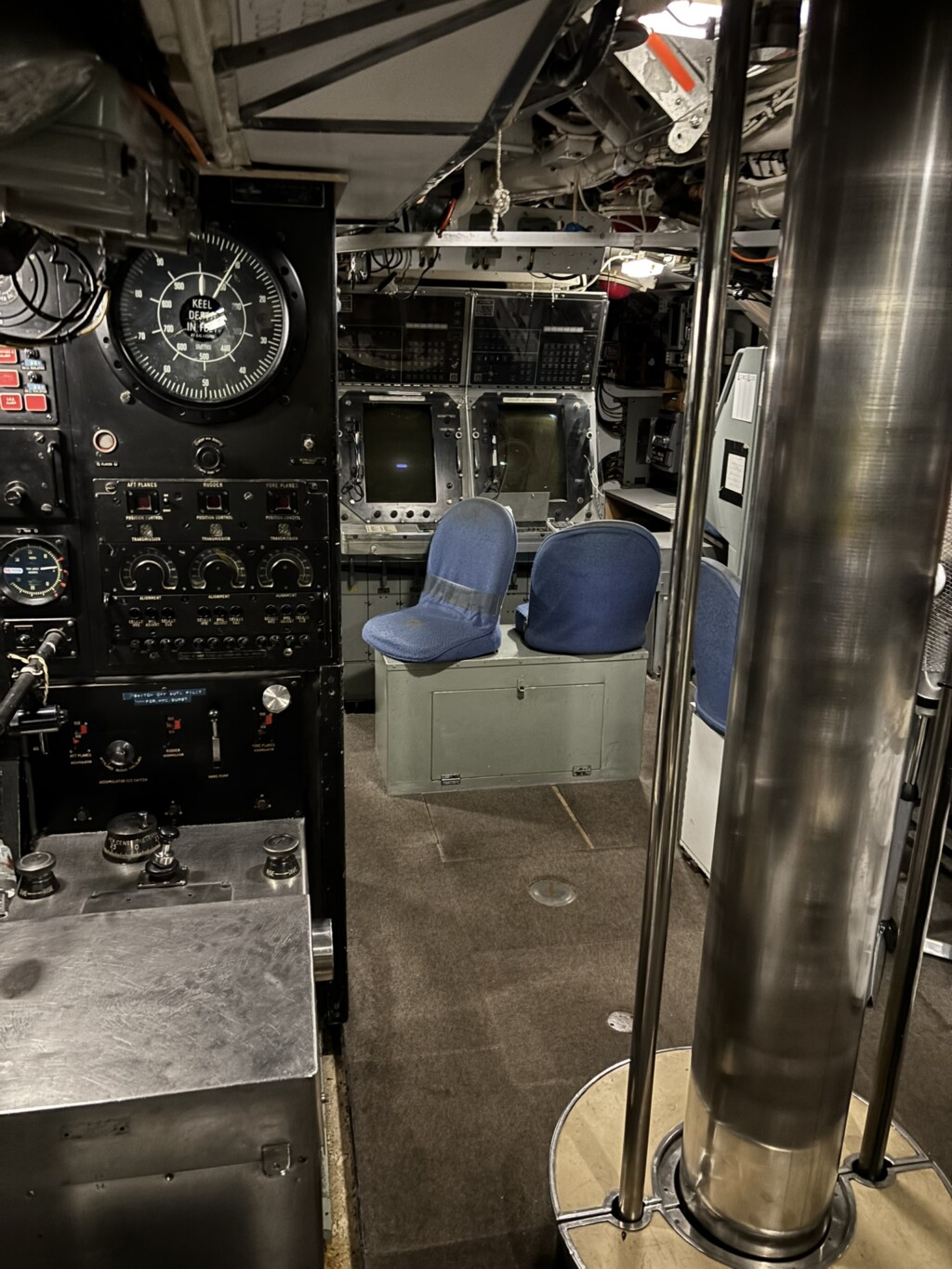
A museum hull isn’t a normal job site because it comes with none of the built-in service access a modern building has.
Most commercial builds start with risers, ceiling voids and wall cavities already planned for switchboards and cable trays. A retired hull has none of that in place.
Trades working inside a hull like this run into the same handful of problems on almost every job:
- Original bulkheads, pipework and fixed equipment that can’t be moved or drilled into without sign-off
- No existing risers or cable paths, so every run gets planned compartment by compartment
- Curved surfaces that don’t take standard brackets, clips or standard switchboard housings
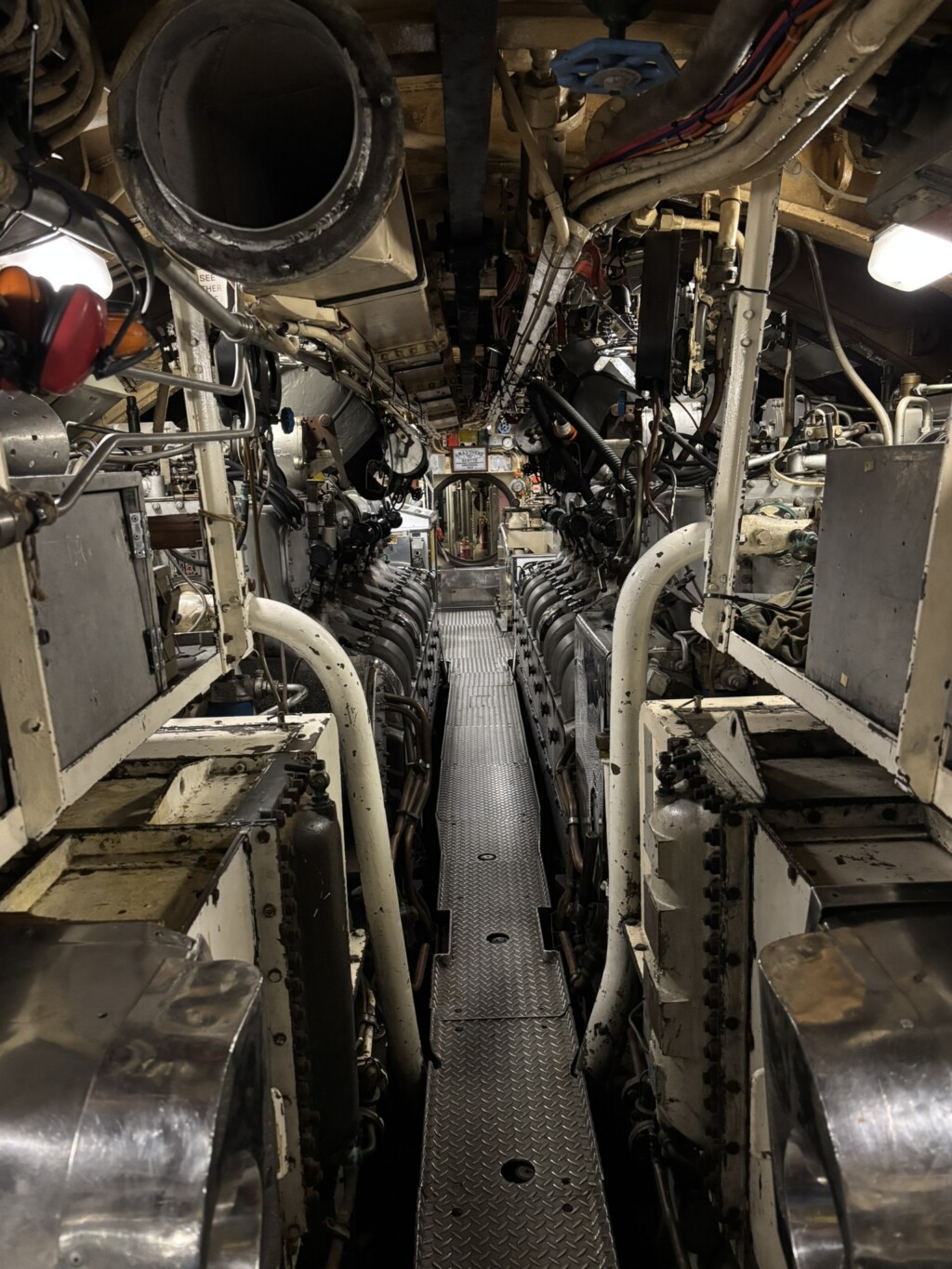
- Access points sized for the crew of the era, decades before today’s trades carried modern safety gear
Crews handle it by planning each compartment on its own, well before a single bracket goes in.
Getting Sign-Off Before Touching a Heritage-Listed Hull
Getting sign-off means checking every fixing point and cable route with the museum or heritage authority before any permanent work starts.
Most Australian heritage guidance for jobs like this traces back to the Burra Charter, the document that sets out how conservation decisions get made. It isn’t law anywhere in Australia. Even so, state heritage Acts and grant funding conditions often reference it directly, so approvals tend to follow its logic in practice. A trade that skips this step risks having finished work ripped out at its own cost.
Sign-off on a heritage hull usually covers a specific set of checks:
- A record of the original fabric, often photographic, before any cable or fixing goes in
- A preference for fixing methods that can be reversed later without damaging the surface
- A heritage adviser or the museum’s own curatorial staff reviewing anything that touches an original component
- Extra time built into the program for approvals that a standard commercial job wouldn’t need
That approval loop routinely adds several weeks to jobs other trades might expect to finish in days. It’s the part of the job that catches out crews used to knocking over a switchboard install in an afternoon.
Choosing Materials and Methods for Corrosion, Confined Spaces and Legacy Hazards
A mechanical electrical installation inside a museum hull uses materials chosen mainly for saltwater corrosion resistance and confined-space safety.
Old naval and merchant vessels can carry legacy hazards that a modern building simply doesn’t have. Fuel vapour, residual bilge gases and, in some older builds, asbestos lagging around pipework are things a competent crew checks for before committing to any hot work. Confined space permits and gas testing are standard precautions on vessels of this age, regardless of whether hazards turn up on a given job.
Safe Work Australia’s confined spaces code sets out the entry permits, atmospheric testing and rescue planning that apply here. Museum contractors follow the same permits and testing steps for a submarine as for a ship’s engine room.
On the materials side, the usual choices are fairly consistent:
- Marine-grade stainless steel or coated fixings instead of standard mild steel, to handle the salt air inside an old hull
- Low-voltage or SELV wiring in enclosed metal compartments, to cut shock risk in a space that’s already high-risk
- Corrosion-resistant conduit and sealed cable glands, since condensation inside a steel hull is constant, not occasional
- Compact, low-profile enclosures that fit through original hatches without needing them widened
These reflect general marine engineering practice for jobs like this. The exact spec still gets confirmed project by project.
Keeping the Environment Stable for Delicate Fittings and Displays
Environmental control on a museum hull mainly exists to slow corrosion and decay inside original compartments.
A building management system, or BMS, ties together sensors for temperature, humidity and sometimes air quality across the vessel. Inside a display hull, that system’s main job is protecting original fittings and flagging any drift in conditions early.
Integration work usually links the new BMS into whatever monitoring the museum already runs across its other buildings. That way, staff without specialist naval engineering training can still read and act on an alert from inside an old hull.
Museum conservation practice generally treats gradual environmental change as less damaging than sudden swings. BMS sensors in a hull like this are usually set to flag rapid swings in temperature or humidity. A slow seasonal drift is far less risky than a sharp, sudden spike.
Keeping Visitors Safe While the Work and the Tours Keep Running
Keeping visitors safe during the work means treating life safety systems, lighting and emergency egress as non-negotiable, even while construction is still underway.
Guided tours through a display hull often keep running throughout the build. The electrical scope has to support construction and the public at the same time. Lighting, ventilation and fire detection get installed and commissioned early, ahead of anything considered a display feature.
Life safety work on these jobs usually covers:
- Emergency and egress lighting sized for narrow hatches and ladders, not open corridors
- Smoke and heat detection suited to a metal-lined compartment, where standard smoke alarms can behave differently
- Ventilation upgrades so tour groups aren’t standing in a compartment with poor air turnover
- Clear separation between construction zones and any part of the hull still open to visitors
Life safety requirements for public occupancy under the National Construction Code still apply. Heritage-listed structures often work through an alternative or performance-based compliance pathway suited to existing buildings. Museum operators won’t sign off a reopening until the agreed pathway is tested and certified.
Coordinating Multiple Trades in a Space That Barely Fits One
Coordinating trades on a museum hull comes down to sequencing work so compartments aren’t double-booked by crews who can’t physically fit in together.
Mechanical, electrical and other trades often can’t work the same compartment at once, since some spaces barely fit one person and a tool bag. Programs get built around single-occupancy compartments, with each trade booking its own slot in sequence.
There’s no point throwing more people at a job when the space won’t take them. It’s hard yakka, coordinating several trades around one hatch.
Regular contact between trade leads keeps the program moving when one crew’s access depends on another finishing first. It’s a slower way to build a schedule, but it’s the way that actually works inside a hull this tight.
Frequently Asked Questions
How Long Does a Museum Hull Retrofit Usually Take?
Timeframes vary with the vessel’s size and condition, but heritage-listed hull retrofits commonly run several months to a year once approvals are included. Sign-off steps and confined space work add time that a standard commercial fit-out wouldn’t need. A small display vessel might wrap in a few months, while a full submarine or ship can take considerably longer.
Do Heritage Rules Slow Down Electrical Work on Old Vessels?
Yes, heritage rules usually add time to the schedule for a trade doing this kind of work. Every fixing point and cable route on a listed vessel typically needs sign-off before it goes in permanently. That approval step gets built into the program from the start on jobs done properly.
What Happens If Original Fittings Get Damaged During the Install?
Any damage to original fabric on a heritage-listed vessel usually needs to be reported and assessed before work continues. Depending on the significance of the item, that can mean specialist heritage repair rather than a standard fix. It’s one reason experienced crews document compartments thoroughly before touching anything.
Final Thoughts
Keeping a museum hull display safe comes down to respecting a structure that was never meant to be touched again. It also means meeting the compliance obligations of a modern public building.
The trades that get this right treat every fixing point as its own decision, weighed against the vessel’s heritage value first. That approach takes longer than a typical commercial job, and it’s what keeps these old hulls standing for the next generation of visitors.