
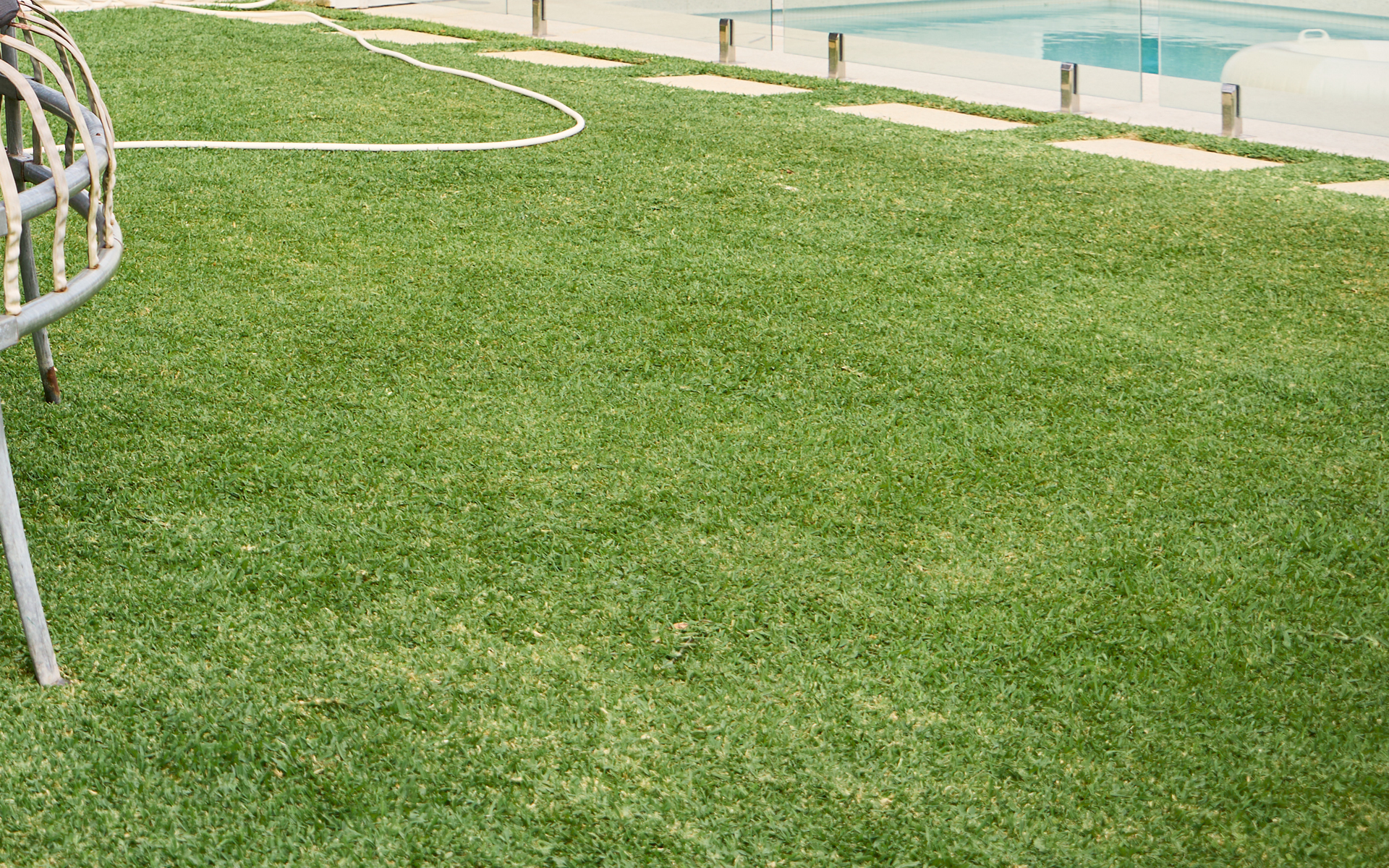
The move from late summer into autumn is where a lot of lawns lose momentum. Growth slows, heat stress starts to show, and a mowing routine that worked in January can start causing problems by March. One of the most useful adjustments in this period is simple, lift your mowing height first, then trim back gradually only when the lawn is stable.
In practical Australian lawn care, this is one of the easiest changes that can improve results without adding extra products or complicated treatments. It is also a strong example of how good Australian lawn care often comes down to timing and restraint, not just more work.
Why Mowing Height Becomes a Bigger Deal in Autumn
During peak summer growth, many lawns can recover quickly from tighter mowing if water and nutrition are consistent. As autumn approaches, that recovery speed drops. The lawn is still active, but it is no longer growing hard enough to hide mistakes.
A mowing height that is too low can expose the crown, dry the soil surface faster, and reduce the plant’s ability to generate energy. That is when people start noticing patchiness, scalped spots, and uneven colour, especially in areas with full afternoon sun or poor irrigation coverage.
Autumn mowing is less about making the lawn look sharp on one day and more about protecting performance over the next several weeks.
What Summer Leaves Behind in the Lawn
Even if the lawn has survived summer, it may be carrying stress that is not obvious yet. Heat, traffic, and inconsistent watering can leave the turf weaker than it looks.
That is why a lower cut in early autumn can feel like the lawn “suddenly” declines. The lawn was already under pressure, and the cut just exposed it.
Common summer leftovers include:
- Shallow rooting from frequent light watering
- Dry patch or water-repellent areas (common in sandy soils)
- Compaction from foot traffic
- Thin zones around edges, paths, and high-use areas
- Uneven growth from irrigation overlap problems
- Thatch build-up that limits water movement
When these issues are present, mowing low usually makes them more visible and harder to recover from.
Why Lifting Your Mowing Height First Actually Works
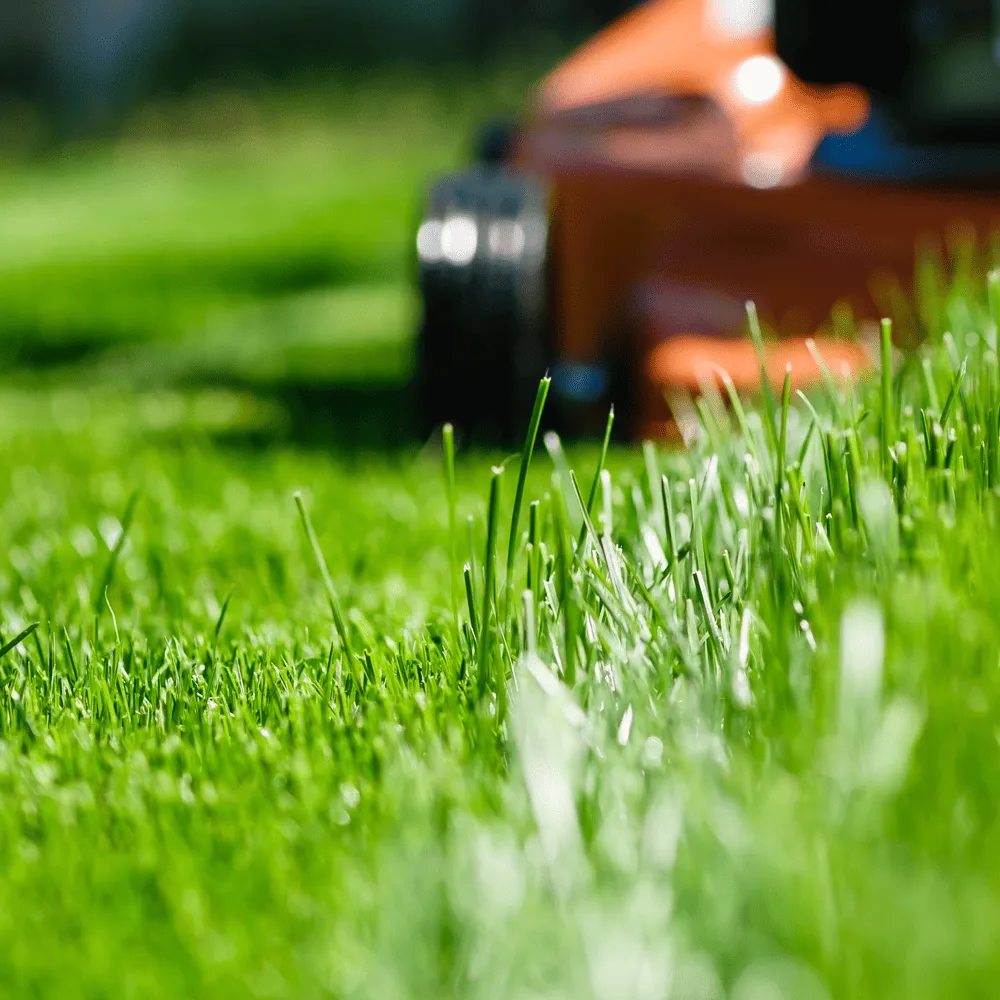
Raising mowing height is not just a cosmetic choice. It changes how the lawn handles stress. More leaf area means more surface for photosynthesis, which helps the turf rebuild energy reserves after summer. It also increases shading over the soil, which can reduce moisture loss and heat load around the base of the plant.
A slightly taller canopy can also help the lawn compete better against weeds during the transition period. Thin, short turf leaves more exposed space, and weeds are very good at using that gap.
This approach is especially helpful when weather is mixed, with warm days still hanging around but cooler nights starting to slow growth. A higher cut gives you a buffer while conditions settle.
Why Cutting Short “to Tidy It Up” Often Backfires
A common habit at the end of summer is giving the lawn a short cut to clean it up. It can look neat for a few days, but this often creates more work later.
The problem is that a short cut during transition season can stack stress on stress. If the lawn is already dealing with dry soil, compaction, or inconsistent watering, a hard cut reduces its recovery capacity right when it needs support.
This is where people often end up chasing symptoms:
- More watering because the lawn looks dry
- More fertiliser because the colour drops
- More mowing because soft regrowth becomes uneven
- More weed treatment because thin spots open up
The lawn then becomes reactive instead of stable. Lifting the mowing height early helps avoid that cycle.
When to Raise the Mowing Height for Autumn
The best time to raise mowing height is usually before the lawn starts struggling, not after. If you wait until the lawn is clearly stressed, you are already in recovery mode.
A practical trigger is the start of seasonal inconsistency:
- Warm days but cooler nights
- Slower regrowth between mows
- More patchiness after mowing
- Drying in exposed areas even when watering has not changed
You do not need to make a dramatic adjustment in one go. In many cases, a small increase is enough to reduce pressure while the lawn transitions out of summer mode.
The key point is to make the change based on lawn behaviour, not just the calendar date.
How Much to Lift the Height Without Making the Lawn Look Untidy
A lot of people avoid raising mowing height because they worry the lawn will look shaggy. That usually happens when the change is too big or mowing frequency drops at the same time.
You can keep the lawn looking neat by making a modest height increase and sticking to a steady mowing schedule. The lawn can sit a little taller and still look maintained.
A good approach is to focus on consistency:
- Raise height slightly, not drastically
- Keep mowing often enough to avoid removing too much leaf at once
- Adjust based on how quickly the lawn is growing
- Avoid scalping high spots on uneven ground
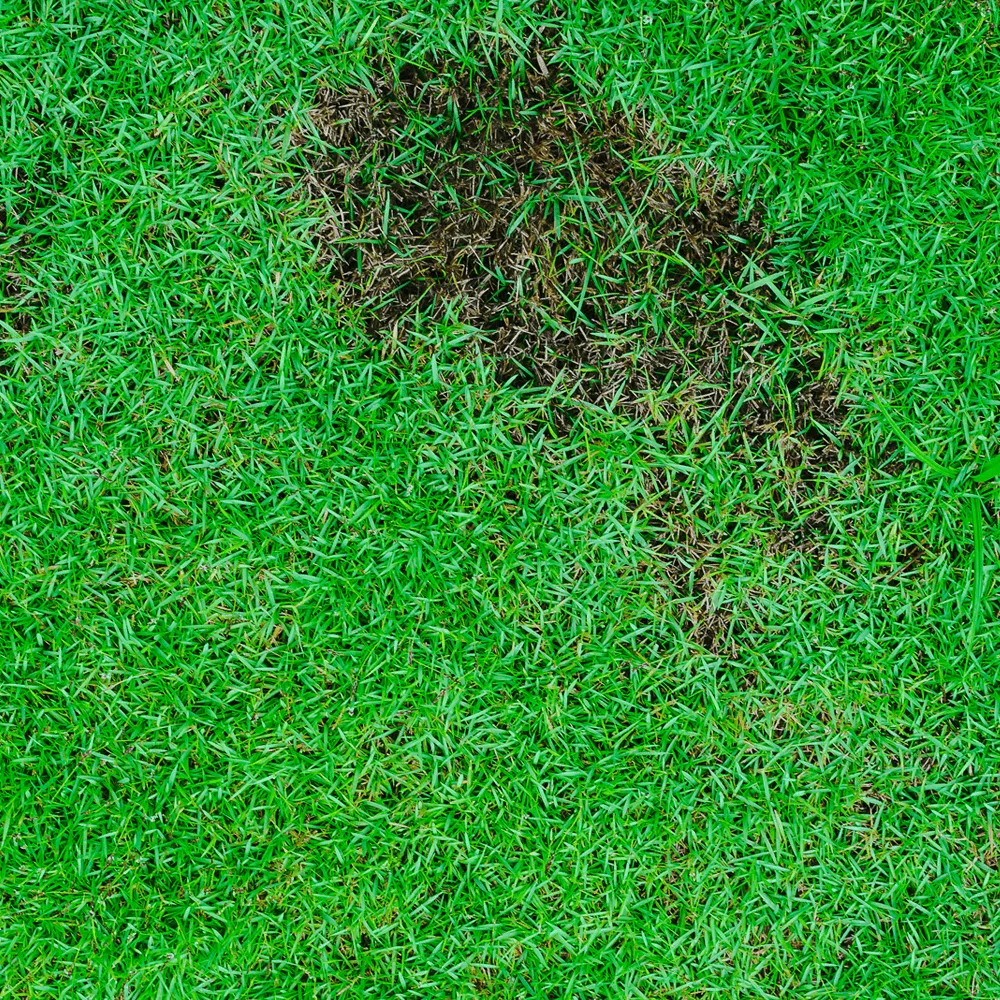
If the lawn is uneven, a slightly higher setting also reduces the chance of repeated scalp marks, which are more obvious and slower to recover in autumn.
Final Thoughts
Lifting your mowing height before autumn, then trimming back gradually, is one of the most practical ways to protect lawn performance during a difficult seasonal shift. It helps the turf manage leftover summer stress, improves resilience while conditions fluctuate, and gives you more control over recovery.