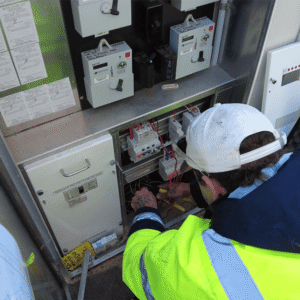

Electrical and controls installation does not have to turn into a noisy, messy, stop-start experience. When it is planned properly, most of the work happens in the background, with short, controlled interruptions instead of long outages.
The difference is rarely luck. It comes down to staging, site coordination, smart prefabrication, clean change control, and disciplined testing. Customers usually care about two things, keep the operation running, and avoid nasty surprises. Quiet delivery aims to do both.
The trick is treating electrical and controls installation as a sequence of small, verified steps, not one big “rip in and hope” event.
What “Quietly” Means on a Real Site
“Quiet” does not mean silent tools or zero impact. It means the work is structured so disruption is predictable, limited, and contained. People can still do their jobs, and the plant or facility can keep moving, even if certain areas are isolated at specific times.
Quiet delivery often looks like:
- Most fabrication and assembly done offsite or in a workshop area
- Site work focused on installation, termination, and verification
- Cutovers scheduled in short windows, with a clear plan and rollback option
- Commissioning staged so issues are found early, not on go-live night
- Communication that prevents last-minute access problems and clashes with other trades
If a contractor cannot explain how they will reduce disruption, you are usually signing up for a louder project than it needs to be.
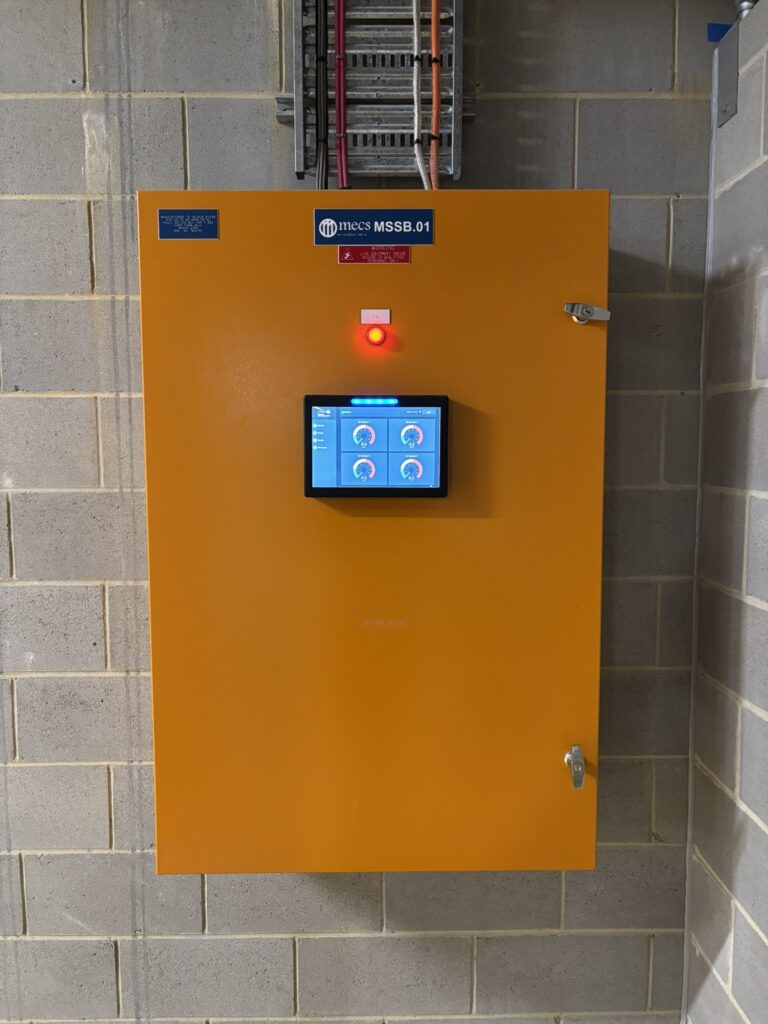
Planning That Removes Surprises Before the First Cable Is Pulled
Quiet jobs are front-loaded. The planning effort is what buys you a calm site phase. This is where good teams earn their money because they identify constraints early and stop rework.
A proper pre-start typically checks:
- Site access and working hours (including noisy works restrictions if relevant)
- Shutdown windows and what can be isolated without stopping operations
- Existing drawings versus reality, plus a plan for unknowns
- Cable paths, tray capacity, penetrations, and segregation requirements
- Space around existing boards, panels, and field devices for safe work
- Interfaces with mechanical equipment, instruments, networks, and SCADA/HMI
- Long-lead items (drives, switchgear, comms gear, instruments) so nothing stalls
When this stage is skipped, the “quiet” promise disappears fast, usually when someone discovers there is no room in the tray, the panel is full, or a missing interlock forces a redesign during commissioning.
Prefabrication and Pre-Wiring That Shrinks the Onsite Footprint
One of the biggest drivers of disruption is how much assembly is attempted onsite. Quiet electrical and controls installation leans heavily on prefabrication so the site work becomes more like fitting and connecting than building from scratch.
Prefabrication can include:
- Pre-built control panels and motor control centres
- Gland plates drilled and labelled before arriving onsite
- Pre-made looms and labelled cable sets
- Instrument air and junction box assemblies where applicable
- Pre-configured network switches and fibre terminations (where appropriate)
This approach reduces onsite time, reduces site mess, and improves quality because the build happens in a controlled environment. It also makes testing easier because parts of the system can be checked before they reach the site.
Staging and Cutovers That Keep Operations Moving
Cutovers are where a project either stays calm or turns chaotic. Quiet delivery uses staging to keep the existing system running while the new parts are installed, then switches over in controlled steps.
A staged approach might involve:
- Installing new containment and cabling while the old system remains live
- Mounting and wiring new panels alongside existing panels
- Terminating new field cables to marshalling points first, then moving the final connections later
- Running new networks in parallel, then migrating devices in batches
- Commissioning sections one at a time rather than “everything on Monday”
The key detail is sequencing. The contractor should be able to point to a plan that shows what stays live, what gets isolated, and what gets tested before the next step starts.
Isolation Discipline That Prevents Unplanned Outages
Nothing kills a low-disruption job faster than a surprise trip. Quiet work relies on disciplined isolation, switching, and verification so the wrong circuit does not go down at the wrong time.
A professional isolation plan usually includes:
- A clear list of circuits to isolate, with identification checked onsite
- Lockout and tagging methods aligned with site rules
- Proving dead procedures before touching conductors
- Temporary supplies where needed to keep critical loads running
- A nominated switching person and a communication chain
Customers do not need to manage this detail, but they should expect it to exist. If the plan is “we’ll just isolate what we need when we get there”, it is rarely quiet.
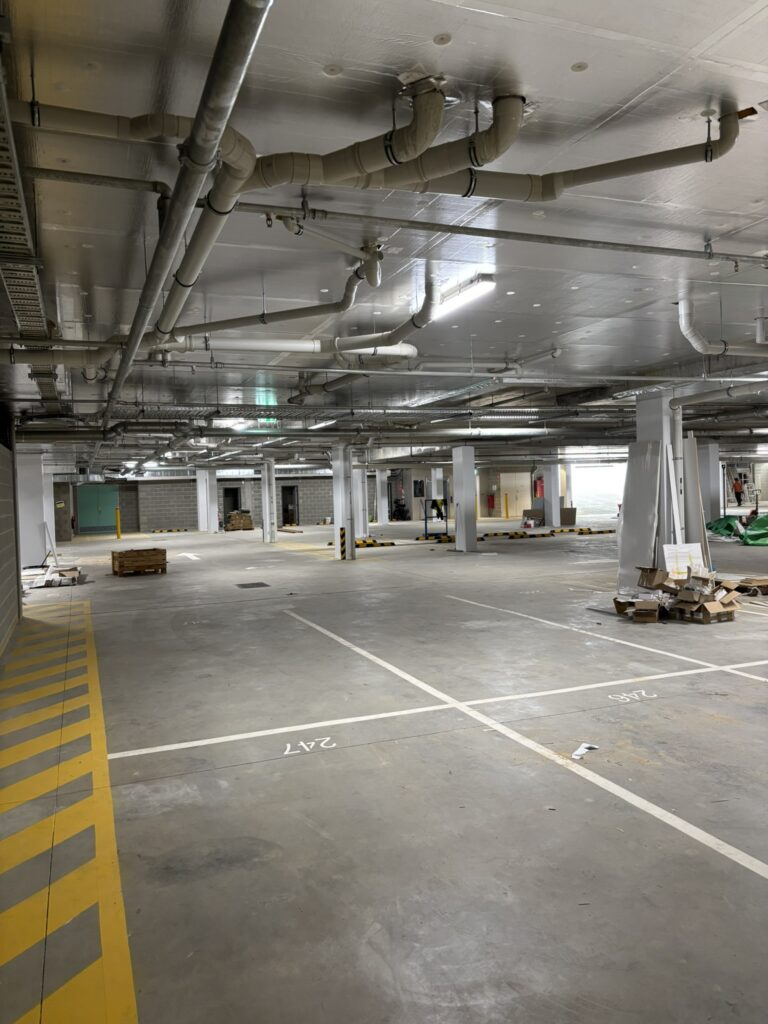
Noise, Dust, and Access Managed Like Any Other Risk
“Quiet” also means keeping the site environment under control. Many operational facilities are sensitive to dust, debris, and blocked access. Electrical and controls installation can be done with minimal mess when housekeeping is built into the method.
Practical measures that help include:
- Pre-cutting, pre-drilling, and pre-labelling where possible
- Using clean containment methods rather than open, messy routing
- Controlling drilling and grinding (screens, vacuums, tidy-up routines)
- Keeping walkways clear and cable runs neat at end of each shift
- Planning deliveries so pallets and gear do not choke access areas
This is basic site discipline, but it is also a sign that the contractor is thinking about your operation, not just their tasks.
Key Takeaways
Electrical and controls installation can be done quietly when the work is staged, prefabricated, and tested in layers, with disciplined isolation and clear communication. The calm projects are the ones where most of the thinking happens before site work ramps up, and where cutovers are short, controlled, and reversible if needed.