Commercial facilities rely heavily on heavy-duty cooling equipment. Mechanical and refrigeration systems draw massive amounts of power across large sites. Running these assets efficiently requires accurate plant controls. They dictate when pumps start and how fast fans spin based on programmed logic.
Getting this right requires high-quality electrical works to connect sensors, relays, and controllers. Badly wired systems cost businesses thousands in wasted electricity every month.
How Poor Controls Impact Mechanical Wear
Inadequate plant controls directly cause premature mechanical failure by forcing equipment into rapid on-off cycles. Smooth modulation represents a much safer alternative for heavy industrial gear. This constant stopping and starting puts brutal mechanical stress on moving parts.
- Compressor short-cycling damages motor windings due to excessive inrush currents over time.
- Contactors burn out much faster when switching heavy electrical loads too frequently.
- Belts on air handling units snap prematurely from sudden torque applications.
- Bearings suffer from inadequate oil return during very short operating run times.
Replacing a burnt-out chiller compressor costs a small fortune. A proper control system prevents this by enforcing minimum run times. It also dictates minimum off times to let gas pressures equalise. This simple logic saves massive repair bills down the line.
Without proper control deadbands, systems chase their own tails constantly. A cooling valve opens, the space drops below setpoint, and heating kicks in. The two systems fight each other all day long. This wastes energy and wears out actuators unnecessarily.
Managing Temperature in Pharmaceutical Facilities
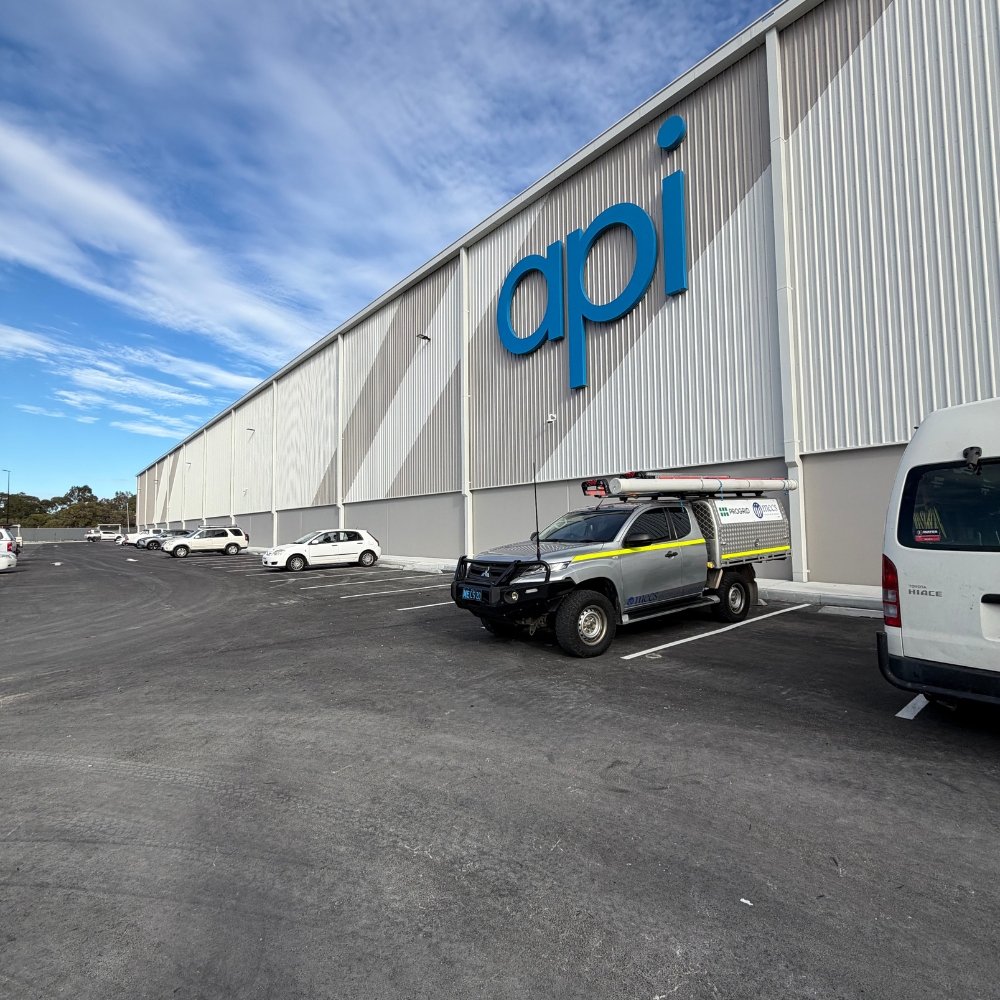
Maintaining strict temperature control in a massive pharmaceutical distribution facility requires integrated plant controls to protect highly sensitive medical products. High-value stock gets ruined quickly if cooling systems fail. The financial stakes remain incredibly high in these specific distribution environments.
The common line in the trade is that automation makes installations much harder. Electricians must work around heavy automation equipment during the fit-out phase. This includes dodging mezzanine structures, complex conveyors, and highly secure vaults. Running cables through these obstacle courses takes serious planning.
Contractors can’t just drill holes wherever they want in a pristine pharmaceutical warehouse. Everything needs careful coordination with the main site builder. The plant controls must integrate safely without disrupting the facility’s automated material handling systems. A solid design prevents clashes between refrigeration pipes and robotic picking rails.
Integrating Resource Data Management Systems
A Resource Data Management control system gives facility operators complete remote oversight to track real-time cooling performance across complex mechanical plants. This specific technology replaces outdated thermostats with intelligent, networked field devices.
- Remote access allows technicians to adjust setpoints without driving to the actual site.
- Detailed data logging highlights gradual efficiency drops before major equipment failures happen.
- Automated email alerts notify facility managers the second a specific compressor trips out.
Having eyes on the system prevents minor faults from becoming expensive disasters. Operators sit at a dashboard and watch the entire plant operate in real-time. They track exactly how much energy a specific chiller uses at noon. They notice instantly if a condenser fan stops spinning properly.
This level of oversight changes how maintenance teams operate entirely. They stop guessing and start fixing specific issues based on hard data. It turns reactive maintenance into a predictable, scheduled process.
The Role of Expert Electrical Works in System Integration
Expert electrical works provide the physical backbone required for advanced plant controls by ensuring clean signal transmission and safe power distribution. A poorly executed electrical installation makes even the best controller useless.
- Using shielded cabling prevents electromagnetic interference from corrupting sensitive temperature sensor readings.
- Properly sized breakers protect expensive variable speed drives from localised electrical faults.
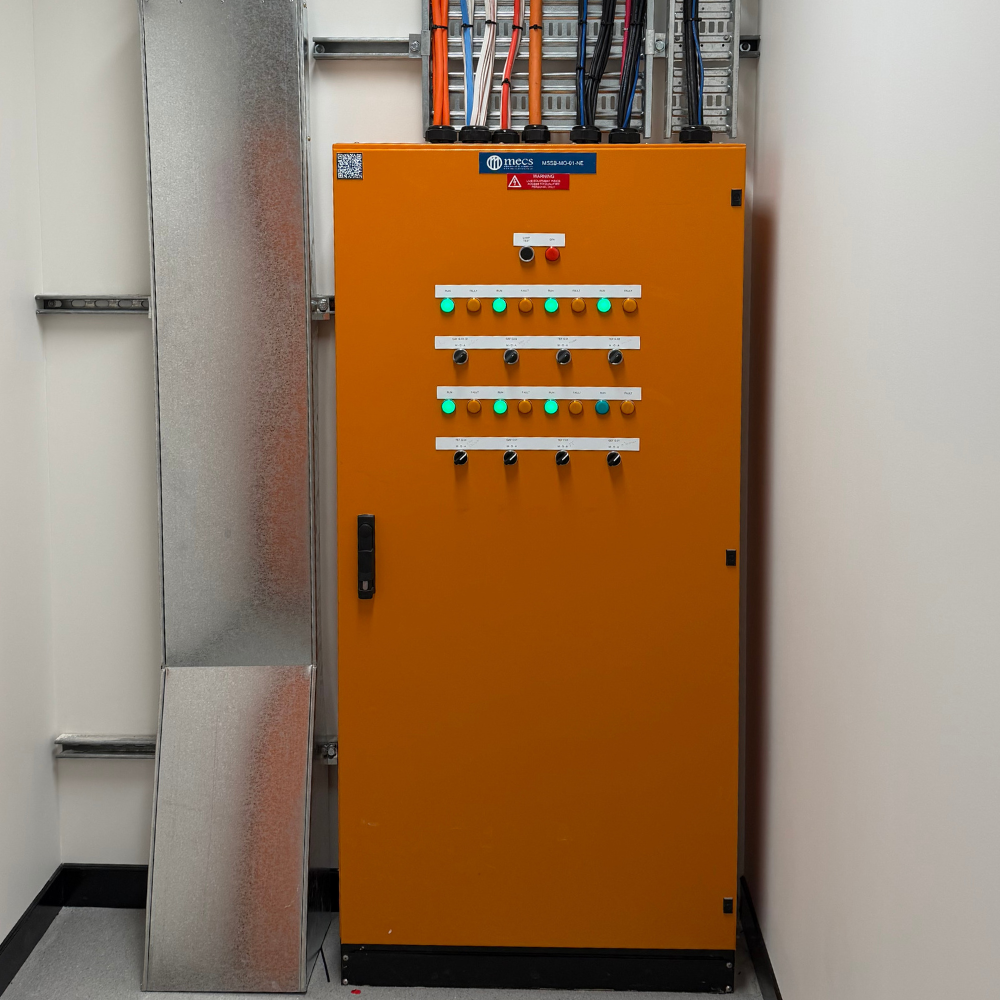
- Organised and labelled switchboards allow technicians to fault-find quickly during unexpected breakdowns.
Modern building management systems rely on precise low-voltage signals daily. A zero-to-ten-volt signal controls everything from chilled water valves to supply fans. If nearby power cables induce voltage on these signal lines, things go wrong quickly. Valves might flutter, or fans might ramp up randomly.
Qualified electricians know how to separate high and low voltage pathways safely. Slapping a smart controller on a wall isn’t enough on its own. The physical electrical connections dictate the reliability of the entire mechanical plant.
Frequently Asked Questions
What Happens When a Temperature Sensor Fails?
A properly programmed controller triggers a specific alarm and falls back to a safe default operating mode when a sensor fails. This prevents the mechanical equipment from running uncontrollably or shutting down entirely. Safe defaults keep the building somewhat functional until a qualified technician arrives.
How Often Should Control Systems Get Upgraded?
Most hardware components require upgrading every ten to fifteen years to maintain compatibility with modern building management protocols. Software and security patches need updates annually to prevent external network vulnerabilities. Delaying scheduled upgrades often leads to finding obsolete parts during an emergency breakdown.
Can Modern Controls Connect to Old Chillers?
Specialised interface modules easily bridge the gap between new software and legacy equipment without replacing the entire mechanical plant. Electricians wire new relays into the existing control circuits to facilitate modern communication. This setup gives operators modern scheduling features while keeping their original capital equipment running safely.
Final Thoughts
Investing in accurate plant controls directly reduces equipment breakdowns and slashes electricity consumption across large commercial facilities. Bad controls mask mechanical problems until catastrophic failure occurs unexpectedly. Relying on outdated thermostats leads to massive energy waste daily.