Commercial air conditioning systems rarely fail at a convenient hour. Large-scale HVAC upgrades demand heavy logistics, crane lifts, and serious electrical modifications. Ripping everything out at once sounds fast on paper. Doing so usually leaves a business completely crippled for weeks.
Maintaining Operations During Complex Replacements
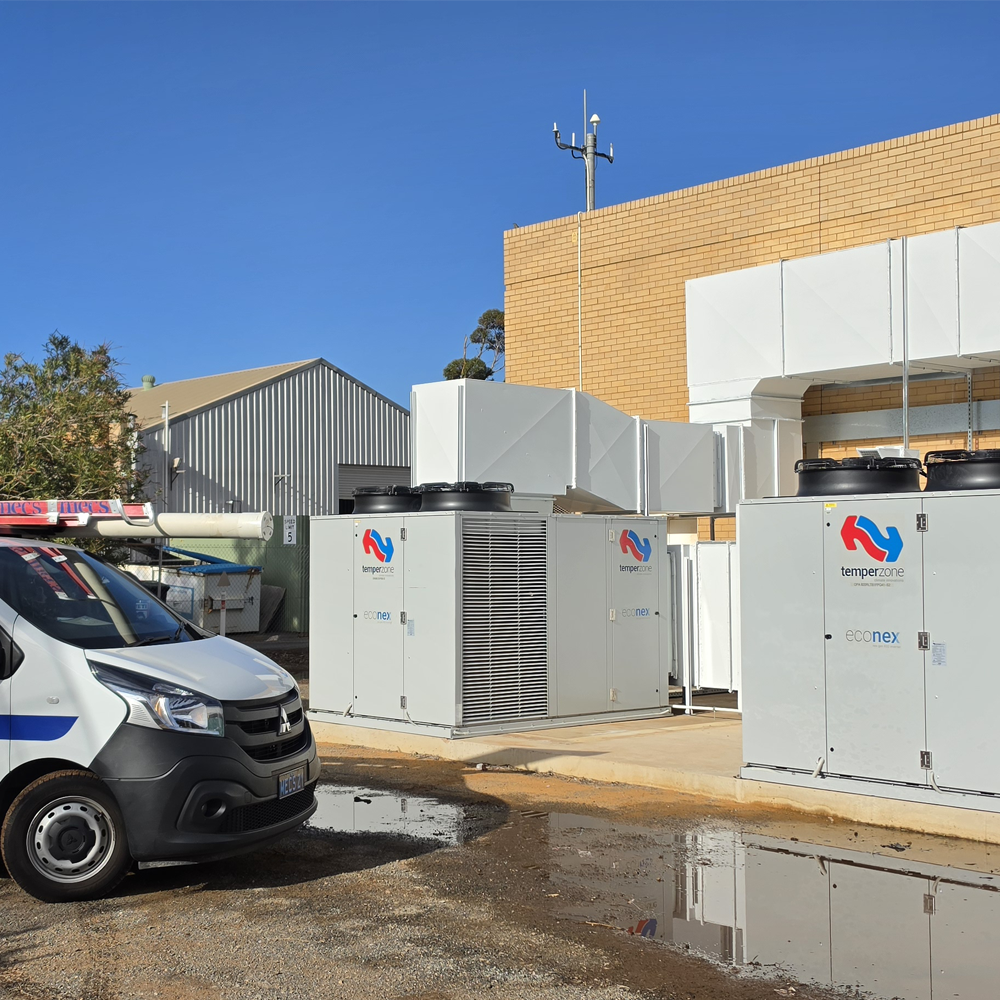
Staging an upgrade isolates the replacement work to a single zone so the rest of the building stays operational. Isolating specific floors prevents total climate control loss across the property. Staff won’t even notice the roof chillers for level one are offline. Keeping the environment completely stable is mandatory for sensitive spaces like telecommunications exchanges.
- Temporary chillers get hooked up to existing pipework to handle the baseline building cooling load.
- Technicians isolate chilled water valves section by section to prevent draining the closed-loop system entirely.
- Air handling units get swapped out over long weekends to bypass standard daytime operating hours.
- Building management system controllers remain active in occupied zones while vacant zones get rewired.
It’s common practice to run new variable refrigerant flow pipework alongside the old mechanical system. The final changeover switch only happens when the new zone is fully commissioned and tested. Doing it this way stops office workers from sweating through their afternoon shifts. Nobody wants corporate productivity to drop just because the air conditioning is out.
It’s better to manage a mild inconvenience than a total business shutdown. Phasing the replacement keeps the existing cooling systems running while contractors bring the new equipment online.
Managing Tight Access and Site Constraints
Breaking a massive installation into phases allows contractors to move heavy equipment through narrow service corridors without blocking essential fire exits. Big basement plant rooms are notoriously cramped and difficult to access. Bringing a massive chiller inside intact just isn’t possible in most older buildings. Technicians must strip the obsolete units down to their bare steel frames before hauling them.
- Heavy roof lifting requires precise scheduling with massive mobile cranes.
- City councils restrict road closures for overhead crane lifts to very tight weekend operational windows.
- Internal goods lifts have strict weight limits that force contractors to dismantle large air handlers.
- Roof platforms need structural engineering assessments before workers can park temporary cooling units upstairs.
Trying to force every major delivery into a single weekend usually ends in a severe logistical bottleneck. A staged approach gives everyone enough physical room to breathe. Basement loading docks won’t get clogged with dozens of delivery trucks all arriving at once. The mechanical tradesmen get a proper crack at setting up the heavy lifting gear safely.
Safety goes out the window when a site gets overcrowded with heavy machinery. Giving the logistics team time to coordinate deliveries prevents absolute chaos on the street level.
Coordinating with Other Trades and Services
Scheduling HVAC upgrades in distinct stages gives electricians and plumbers the necessary access to upgrade switchboards without stepping on each other’s toes. Big commercial air conditioning jobs involve complex electrical modifications and major structural steel changes. Throwing fifty subcontractors into a tight plant room at the same time is a massive safety hazard. Sequencing the trades ensures the site stays fully compliant with workplace health regulations.
- Electricians need isolated power blocks to safely upgrade the main high-voltage distribution boards.
- Plumbers must weld and chemically flush the new condenser water pipes before the final commissioning phase.
- Structural engineers require clear access to certify new roof mounts under strict wind load standards.
- Fire technicians must integrate the new duct smoke detectors into the existing emergency warning systems.
Upgrading Mechanical Services Switchboards Safely
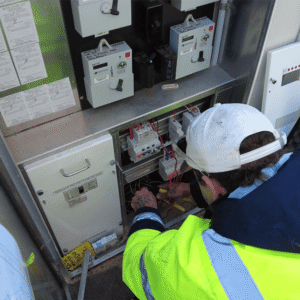
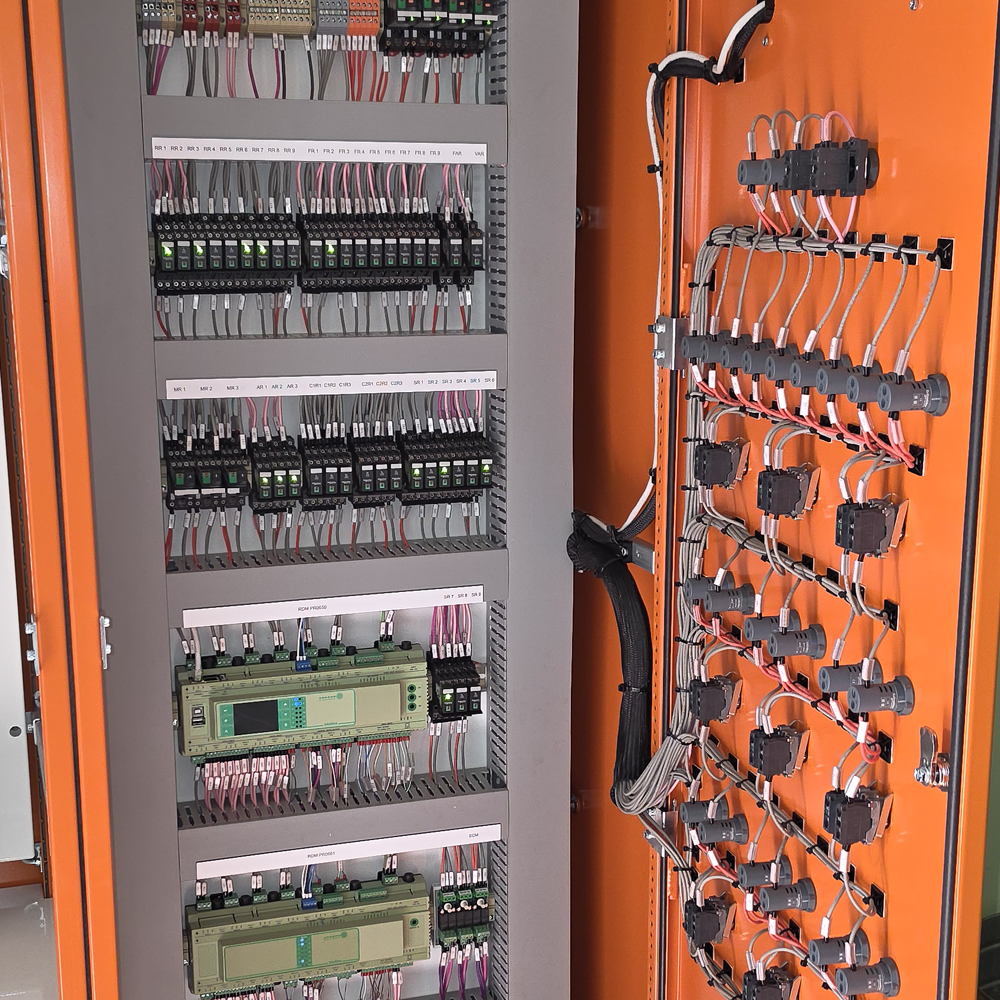
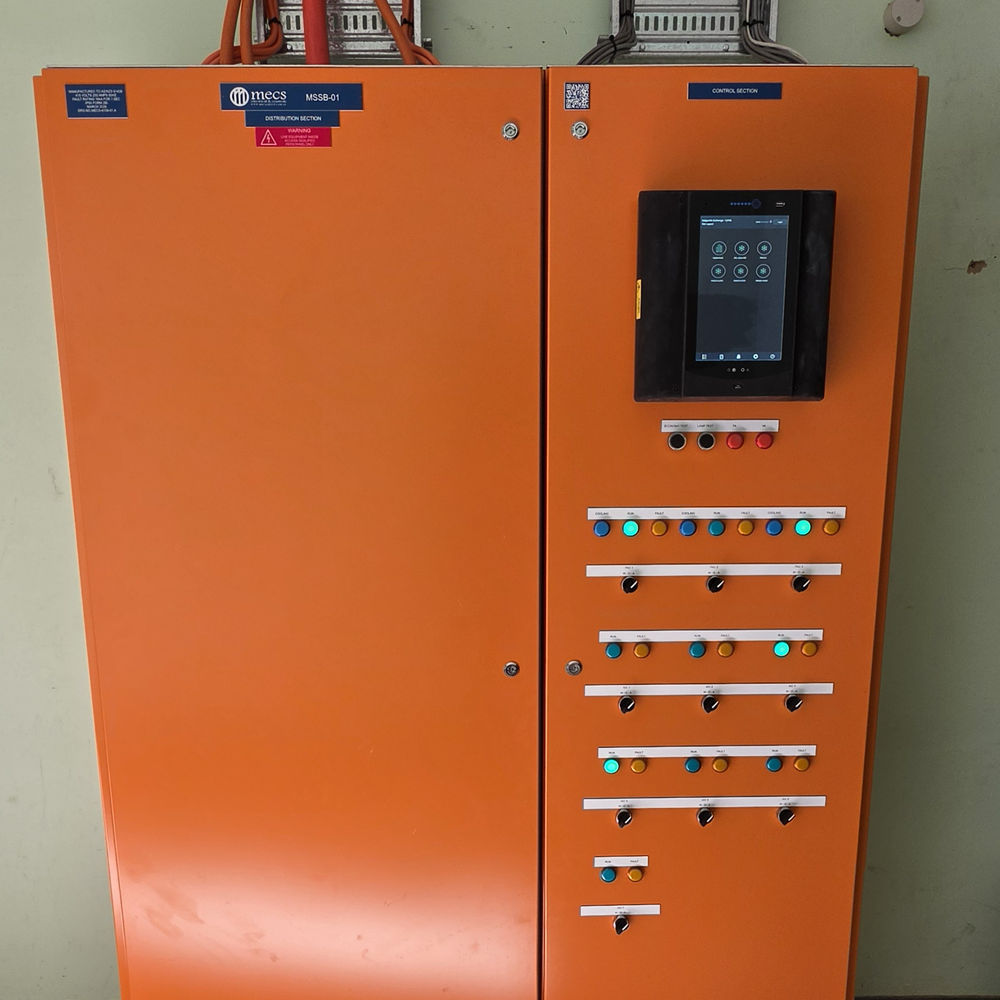
Replacing switchboards in phases guarantees a stable power supply remains active for critical communications infrastructure. Telecommunications sites demand a level of precision well beyond a standard commercial fitout. Contractors can’t just shut off the main power in a live data exchange. The new mechanical services switchboards must get installed alongside the existing active hardware.
- Contractors run parallel cabling to the new switchboards before making any hard disconnections.
- Phase-rotation testing happens on the isolated new boards before they carry any live building loads.
- Older circuit breakers get bypassed temporarily to keep the server room cooling fans spinning.
- Specialist technicians configure the automated transfer switches to handle backup generator power smoothly.
Frequently Asked Questions
How Long Does a Typical Staged Commercial Air Conditioning Upgrade Take?
A large commercial staged rollout easily spans anywhere from six to eighteen months. Contractors generally schedule the heaviest mechanical swaps during the cooler winter months. The interior zone upgrades then happen gradually over several weekends to avoid disrupting daily corporate operations. Rushing the timeline usually leads to incredibly poor workmanship.
What Happens to Old Refrigerant During Staged Removals?
Refrigeration technicians pump the synthetic greenhouse gases into specialised, heavy-duty recovery cylinders. They absolutely don’t just vent the old, toxic gas into the open atmosphere. Certified disposal companies then destroy or reclaim the recovered refrigerants according to strict national environmental protection laws. Heavy fines apply for any accidental gas leaks.
Why Do Contractors Prefer Swapping Chillers in Winter?
The baseline building cooling demand plummets dramatically when the outside ambient temperature drops. Temporary cooling plants don’t have to work nearly as hard to maintain a comfortable indoor climate. This makes the risky changeover period much safer for critical infrastructure like busy data server rooms. It’s all about reducing the thermal load across the property.
Final Thoughts
Commercial HVAC upgrades represent massive logistical hurdles for any operating Australian enterprise. Tearing out an old, failing mechanical system in one go is a surefire way to halt daily operations. Staging the equipment replacement offers a highly sensible, practical path forward for large commercial sites. It’s the only reliable method for balancing strict engineering demands with a company’s financial bottom line.