Standards matter to private WA traffic signs because they’re the benchmark used to judge a site’s signage once something goes wrong. Councils assessing parking agreements check signs against them, and so do lawyers after a collision.
Drivers Read Shape and Colour Before Words
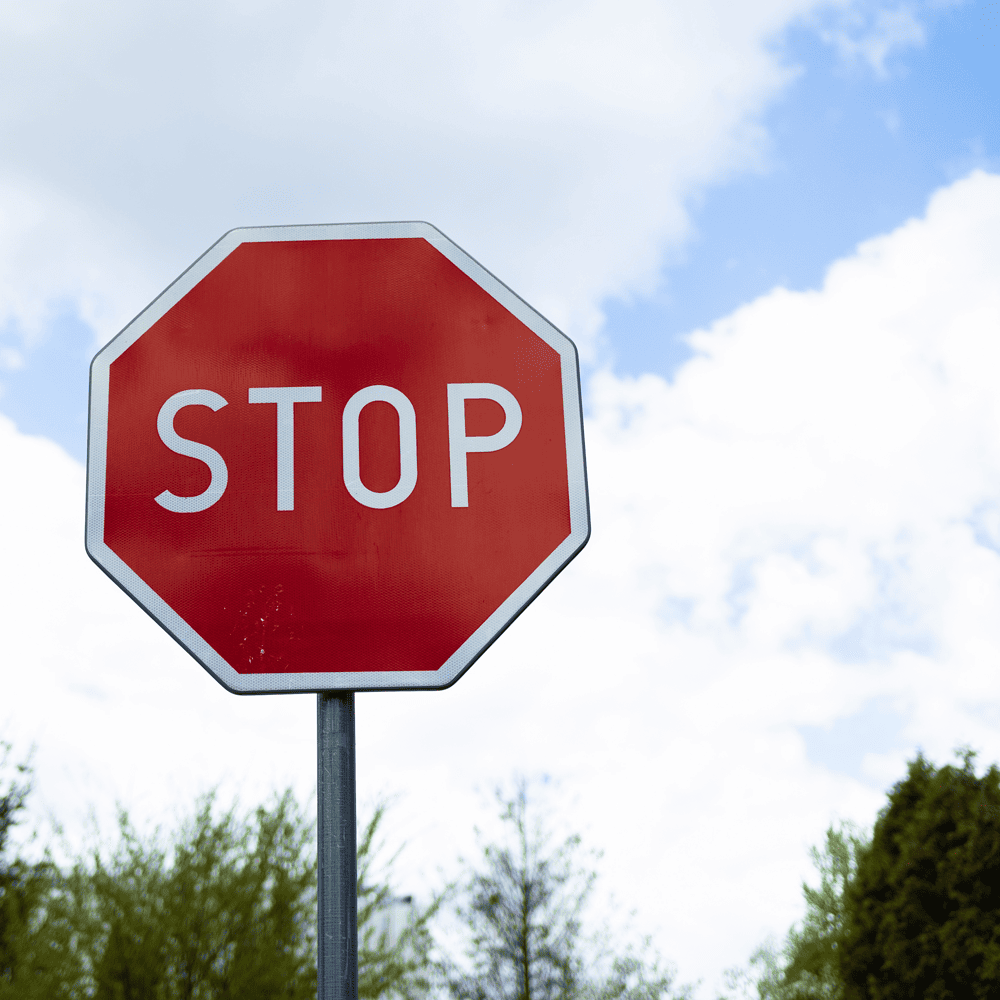
Standard signs work because drivers recognise them by shape and colour before they’ve read a single word. An octagon means stop and an inverted triangle means give way, and years on public roads have made that response automatic. On private sites, the usual departures from convention look like this:
- Parking zones like 2P printed in red, when AS 1742.11 generally uses green for permissive parking and red for restrictions
- Square “Halt” panels standing in for a proper Stop sign
- Hand-painted “Slow” boards in place of a speed limit sign
- Custom pictograms that look clever in the design file and mean nothing at 30 km/h
Mixed conventions across one site cause similar trouble. A business park where each tenant ordered its own signs can end up with three different speed plates within 200 metres.
Visitors end up guessing which plate applies.
Visiting Drivers Bring Public Road Habits onto Private Sites
Standard signage matters a great deal on industrial sites because many drivers are visitors who’ve never seen the layout. They read an unfamiliar yard using public road conventions, so anything that departs from those conventions risks being misread. Common gaps on industrial yards and site access roads include:
- speed signs sized for a car park on roads where trucks run at 40 km/h
- no warning signs ahead of blind corners or pedestrian crossing points
- temporary signs that quietly became permanent three years ago
- posts mounted low enough to cop a hammering from forklift tines every second week
A B-double driver pulling into a Kwinana fabrication yard at 5 am won’t decode an in-house colour scheme. The driver will read shapes and arrows the same way as on the freeway twenty minutes earlier.
Main Roads WA also publishes supplements to the national standards covering WA-specific signs. That’s why supplier catalogues carry codes marked “WA only”, such as the Boom Barriers warning sign. Using a WA version where one exists keeps a private site consistent with what local drivers see on state roads.
Material Grade Shapes Night Visibility
Sign material matters because a sign drivers can’t see at night is practically useless, whatever it says. AS/NZS 1906.1 classifies retroreflective sheeting, and Class 1 or better suits anything that needs to be read after dark.
Class 1 makes a sensible baseline for car parks and internal roads used at night. Approach speed and site lighting both affect how much reflectivity a sign actually needs.
WA’s UV levels are harsh on sign faces, and faded signs are hard to defend. A sign that looked fine at installation may read very differently five summers later.
No point throwing money at a new CCTV system if the speed sign beside it has faded to a ghost.
A Compliant Sign Is Easier to Defend
A sign that meets Australian Standards is far easier to defend after an incident, because it shows the owner followed the recognised benchmark. The usual questions after a collision on private land run along these lines:
- Was the sign the right shape, colour and size for its viewing distance?
- Was it visible, or hidden behind a hedge nobody’s trimmed since the last tenant?
- Was the face still retroreflective at night?
- Is there any record of when it was last inspected?
In WA, occupiers owe a duty of care to people on their premises under the Occupiers’ Liability Act 1985. On workplaces, the Work Health and Safety Act 2020 also applies. A person conducting a business or undertaking (PCBU) has to manage traffic risks so far as reasonably practicable.
Neither law names AS 1742. In practice, it’s the benchmark a claimant’s lawyer is likely to check the signs against.
Dated photos answer the inspection question cheaply. Most site managers don’t start taking them until after the first claim.
Frequently Asked Questions
Does a Sign Need to Meet Standards If the Site Isn’t Open to the Public?
In practice, yes, since standards remain the safe choice on restricted-access sites. Road rules may apply less there, but workplace safety duties still cover industrial sites and visiting drivers expect public road conventions. A site’s public status depends on its facts, so checking with a traffic engineer or lawyer is worthwhile.
Are Faded Signs a Compliance Problem?
Yes, a faded sign can undermine an otherwise compliant setup. It may lose the night visibility it was specified for, and faded signs are hard to defend after an incident. Replacing them early usually costs less than arguing about them later.
Which Standards Apply to Private Site Signs in WA?
AS 1742.11 covers parking controls, including how zones are signed and where they end. AS 1743 sets specifications like shapes and letter sizes, and AS/NZS 1906.1 covers retroreflective materials. AS 2890.1 deals with off-street car park design, and AS 2890.6 covers off-street disability parking.
Final Thoughts
Australian Standards give private signage a common reference that councils and lawyers already recognise. Built to standard, WA traffic signs on private land stand a far better chance of being enforced and defended.